-
As flexibility requirements across Asia’s power systems increase in step with renewables build-out, existing thermal power assets need to shift away from baseload operations.
The region’s young coal fleets can technically support rapid solar and wind integration, but existing long-term coal contracts do not encourage and often constrain flexible generation. Repurposing for flexibility, in addition to early retirement, offers a practical transition route ahead of decommissioning.
-
Repurposing coal power plants for flexibility can reduce overall costs and emissions, but only within a clear coal-to-renewables transition framework.
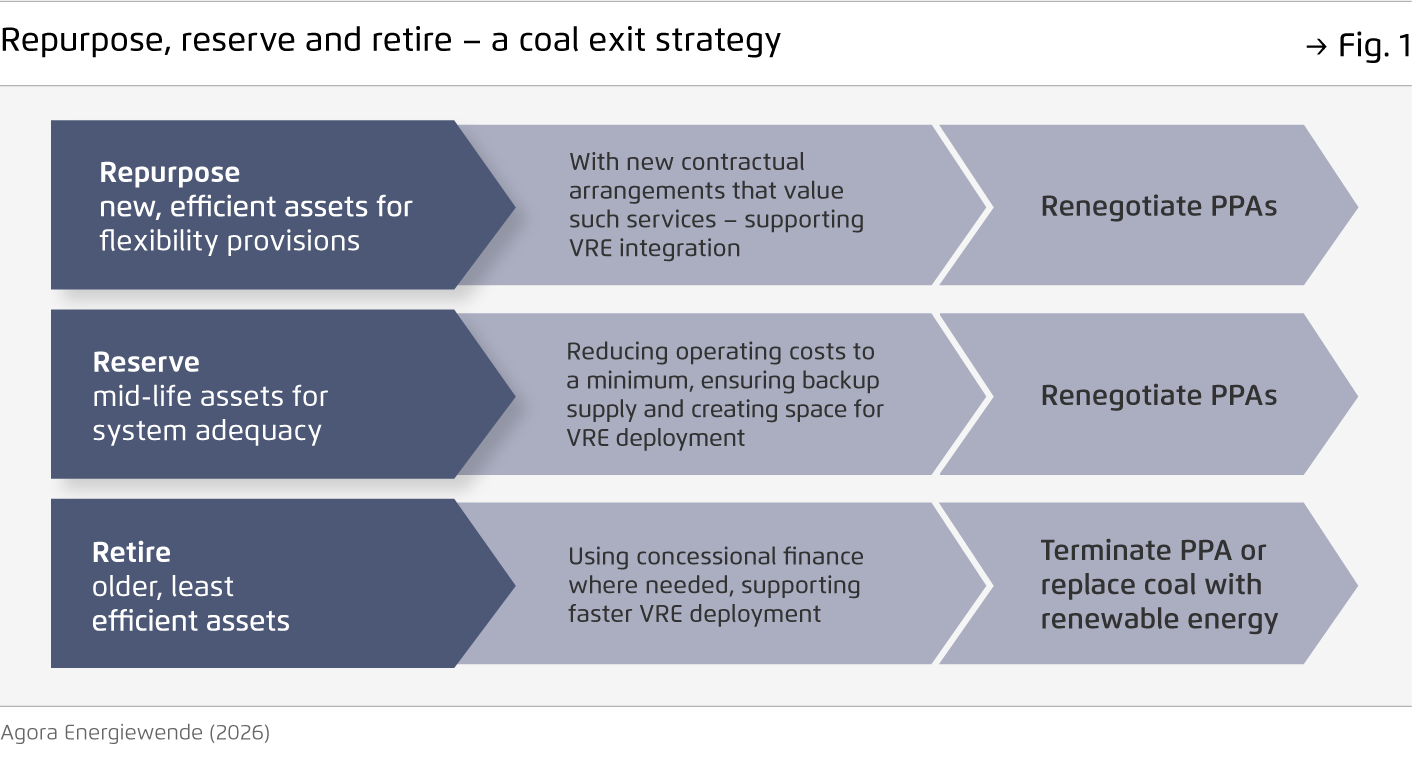
This means rapidly scaling renewables and setting binding guardrails to mitigate climate and economic risks, such as a moratorium on new coal and firm retirement dates tied to renewables milestones. The coal fleet itself should be reorganised: repurpose young, efficient units for flexibility; reserve mid-life plants for system adequacy; and retire the oldest, least efficient units.
-
Reformed revenue models would incentivise flexible coal operations in support of the renewables transition, while helping utilities procure system services cost-efficiently.
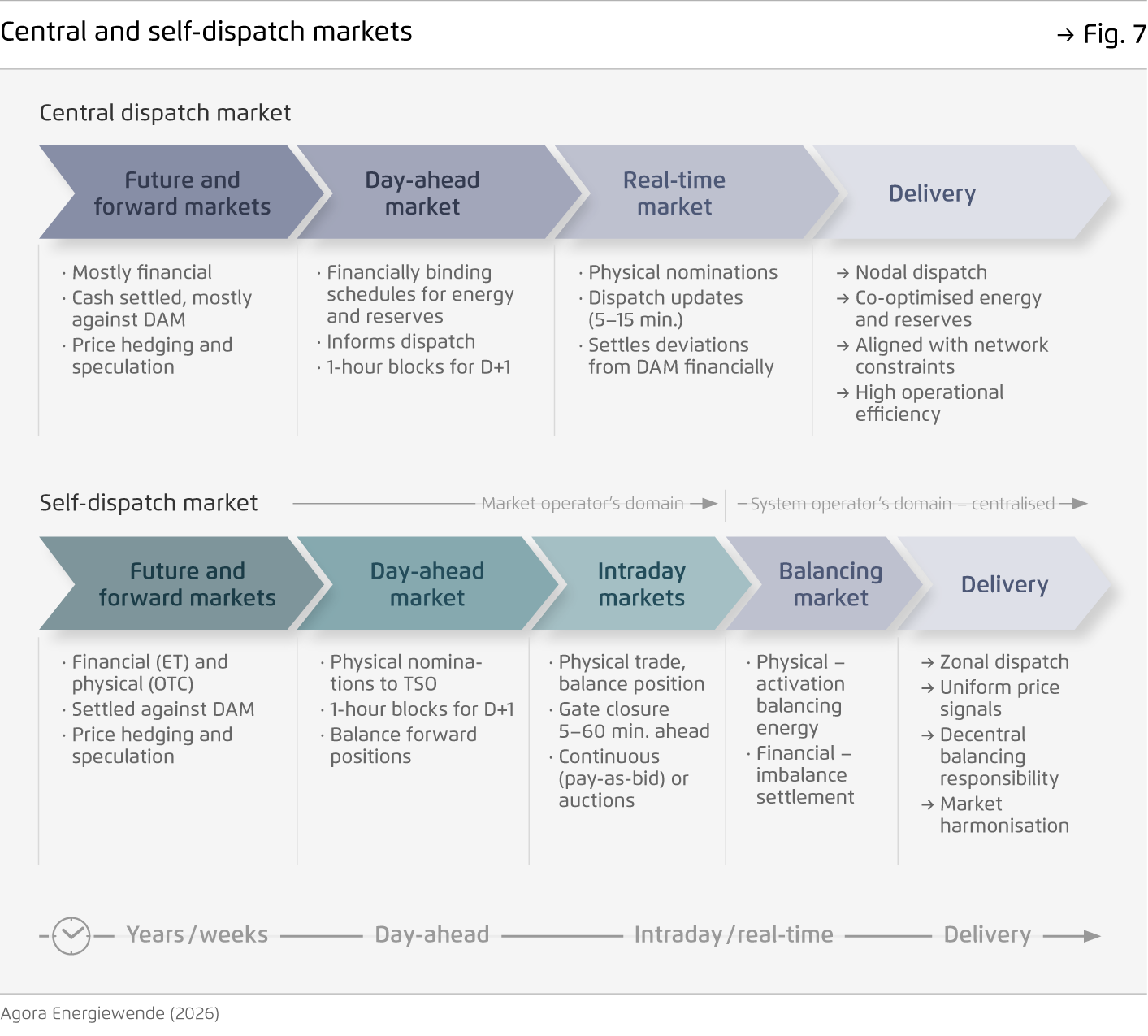
In single-buyer systems like Indonesia, utilities can remunerate coal plant flexibility within the PPA framework through a three-part tariff that remunerate flexible capacity, energy and ancillary services. In wholesale markets like the Philippines and India, exposing coal plants to short-term price signals and reserve markets can unlock flexibility and allocate it efficiently.
-
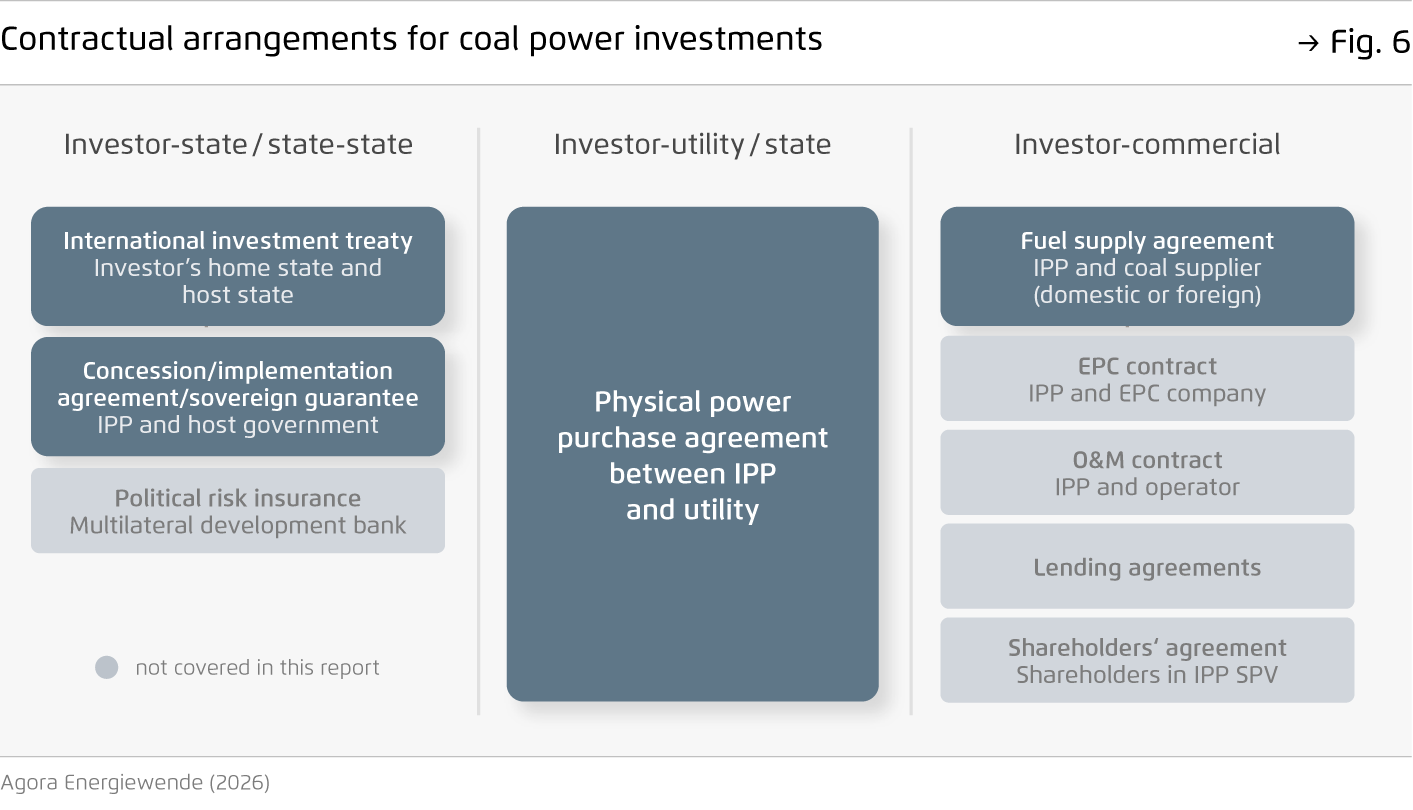
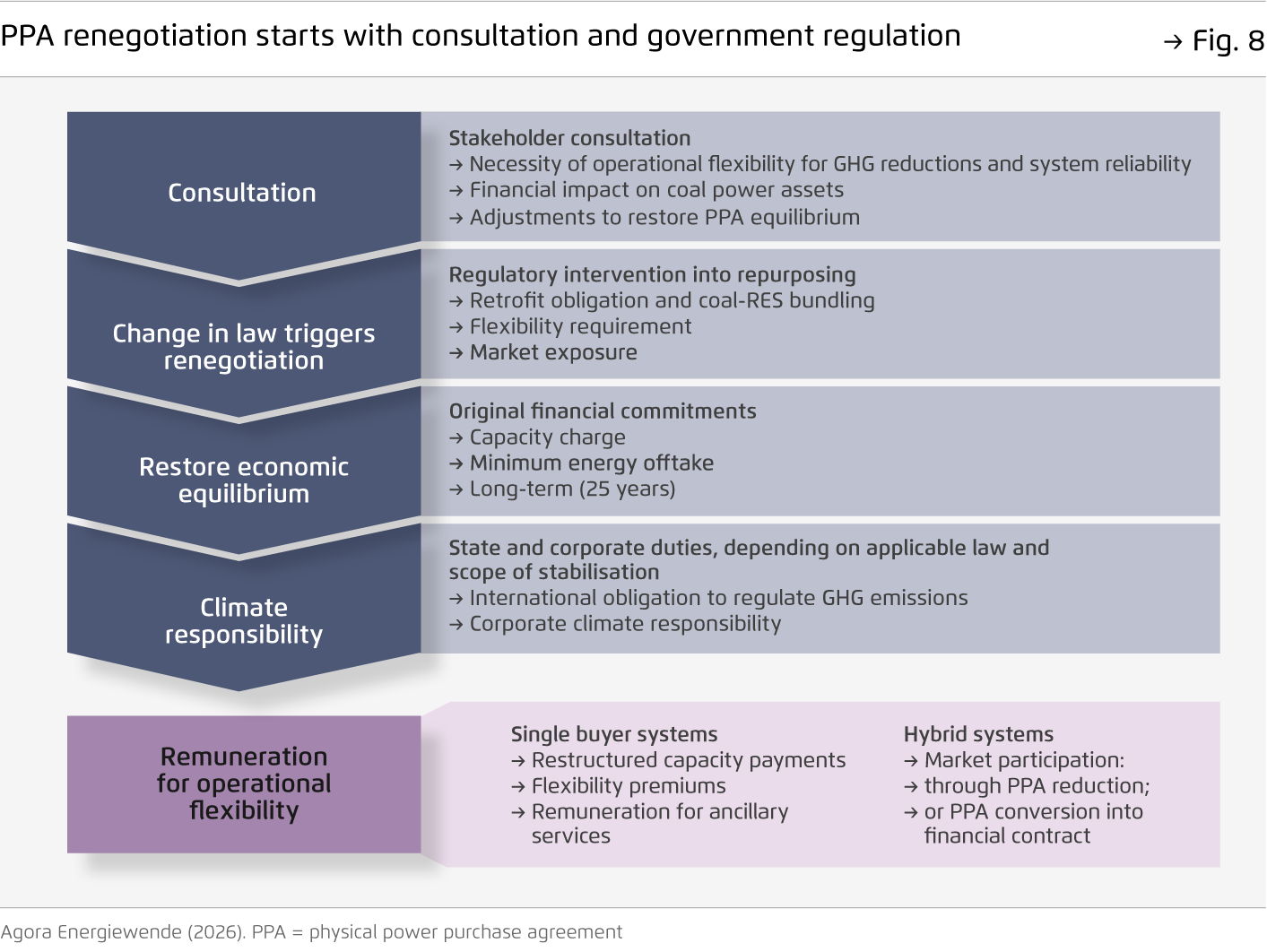
Coal power contracts are rarely frozen; renegotiation is both possible and necessary to unlock flexibility provided the new contract remains economically viable for all parties.
Change-in-law clauses allow the host state to impose flexibility requirements on coal plants. Tariff adjustments enable generators to comply with flexibility requirements by restoring the economic equilibrium of the contract. The growing legal recognition of states’ and corporates’ climate responsibilities strengthens governments’ grounds for renegotiation.
Reforming power purchase agreements for flexible coal power
A focus on South and Southeast Asian power systems

Summary
Using existing thermal power plants for system flexibility services supports the integration of renewable energy at a lower cost and offers legacy assets a transitionary role ahead of decommissioning. In power systems across South and Southeast Asia, long-term contracts for coal power often constrain system operators from utilising the latent flexibility coal plants may provide.
This report by Agora Energiewende analyses how power purchase agreements, fuel supply agreements, and investor-state contracts lock in high coal utilisation and slow the deployment of solar and wind power. It identifies contract reform options to unlock flexibility from existing coal plants in the system and embeds this in a broader coal power transition framework: repurpose young, efficient coal plants to provide grid flexibility and balancing services; place mid-life assets in strategic reserve to maintain system adequacy at lower cost; and retire the oldest, least efficient units to accelerate renewables deployment.
New remuneration models for flexible coal power, alongside reformed coal supply agreements, are central to making this transition work. The report proposes new contract structures and identifies legal pathways for contract renegotiation, supporting policymakers in navigating the shift from coal to clean power.
Key findings
Bibliographical data
Downloads
-
Study
pdf 2 MB
Reforming power purchase agreements for flexible coal power
A focus on South and Southeast Asian power systems
All figures in this publication
Repurpose, reserve and retire – a coal exit strategy
Figure 1 from Reforming power purchase agreements for flexible coal power on page 12

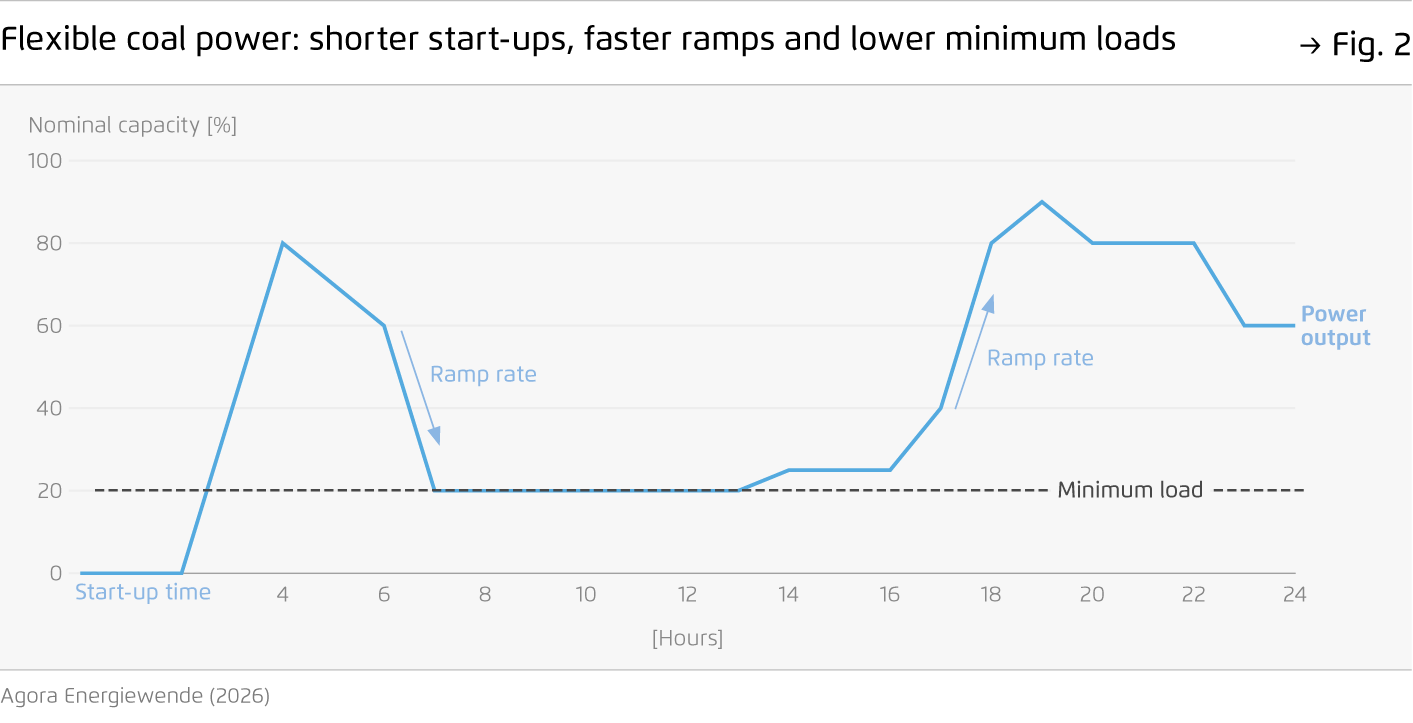
Flexible coal power: shorter start-ups, faster ramps and lower minimum loads
Figure 2 from Reforming power purchase agreements for flexible coal power on page 14