Agora Energiewende
Agora Energiewende develops scientifically sound and politically feasible strategies for a successful pathway to climate neutrality.
News
Impulse
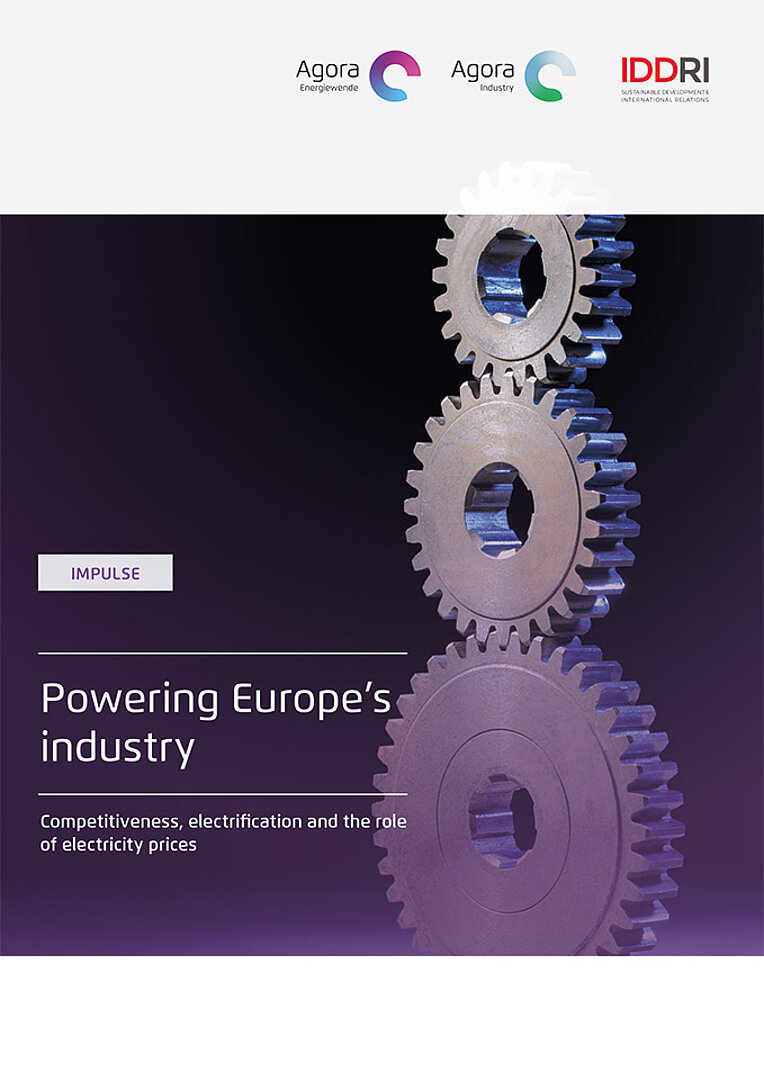
Powering Europe’s industry
Energy costs shape Europe’s industrial competitiveness, yet electricity still plays a limited role. This analysis shows that electrification can make industry more competitive if conditions align, and affordable power prices will become increasingly decisive. Beyond just power price support, success requires combining de-risking tools like contracts for difference and power purchase agreements, alongside robust carbon pricing.
What we’re working on
Please choose a topic to learn more about our main areas of work and gain access to relevant publications.
Events
Data & Tools
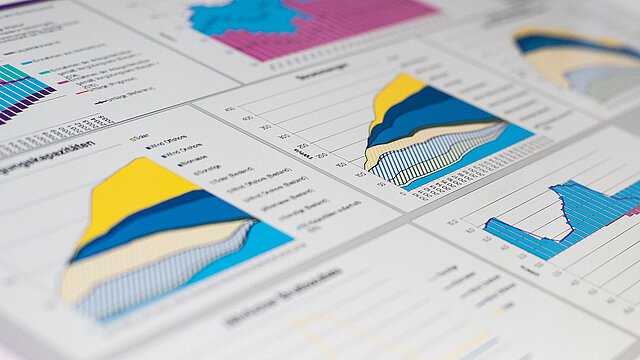
Data and analysis are at the heart of Agora’s daily work. We also believe in the importance of transparency. As part of this commitment, the tools, analyses and databases we've developed are freely available to enable informed decision-making.
-
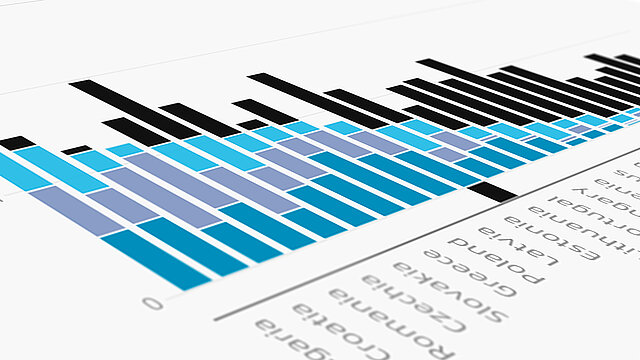
EU Climate Funding Tracker
Data visualisation on the EU's contribution to national climate investment in 2021-2027
-
PyPSA-SPICE Model Builder
PyPSA-based Scenario Planning and Integrated Capacity Expansion (SPICE)
-
Agorameter
Current and historical as well as modelled locational and future representation of the situation in the electricity system with generation, consumption and prices.
International
Agora around the World
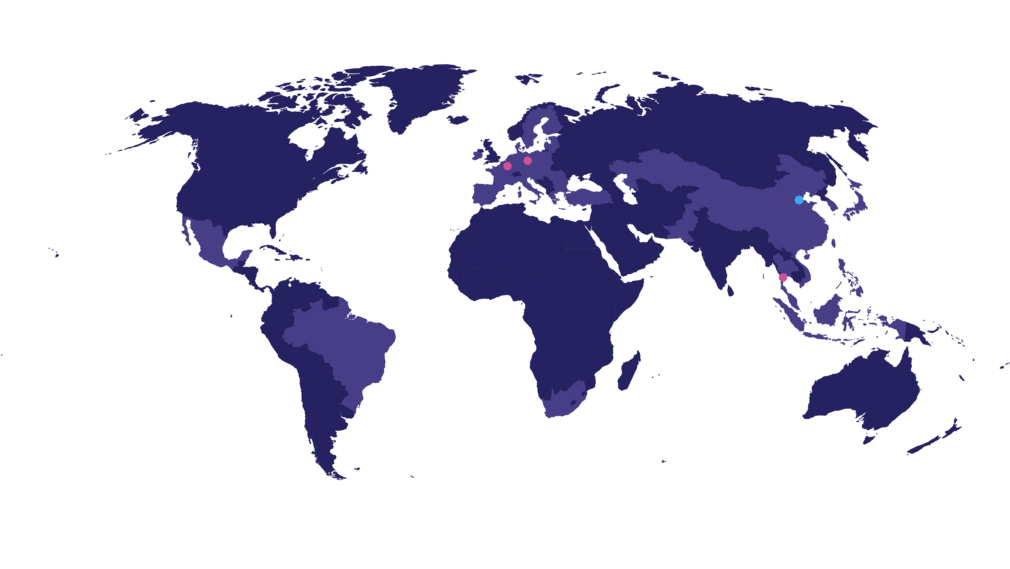
Agora Energiewende is active in a variety of regions and countries and has offices in Berlin, Brussels and Bangkok. The office of our strategic partner, Agora Energy China, is located in Beijing. We furthermore cooperate with a wide network of partner think tanks on the ground. Explore our international work.