-
Europe’s industry is entering a decisive phase of transformation amidst changing economic conditions, geopolitical tensions and the need to align with the EU’s 2040 climate target.
The EU Emissions Trading System needs to evolve in step with the changing environment. The upcoming reform is thus a critical chance to strengthen its cost-effective decarbonisation role – sending clear price signals to unlock investment and drive import independence, while cutting emissions.
-
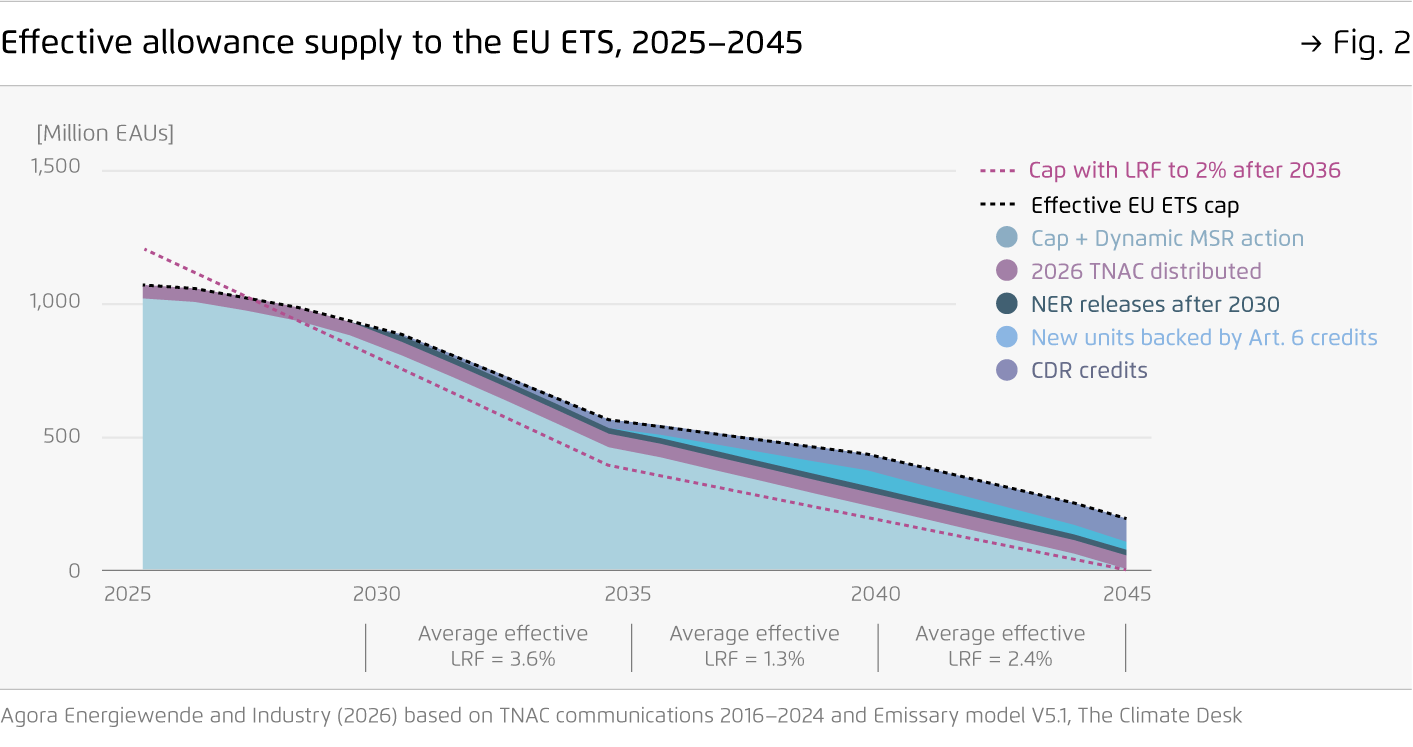
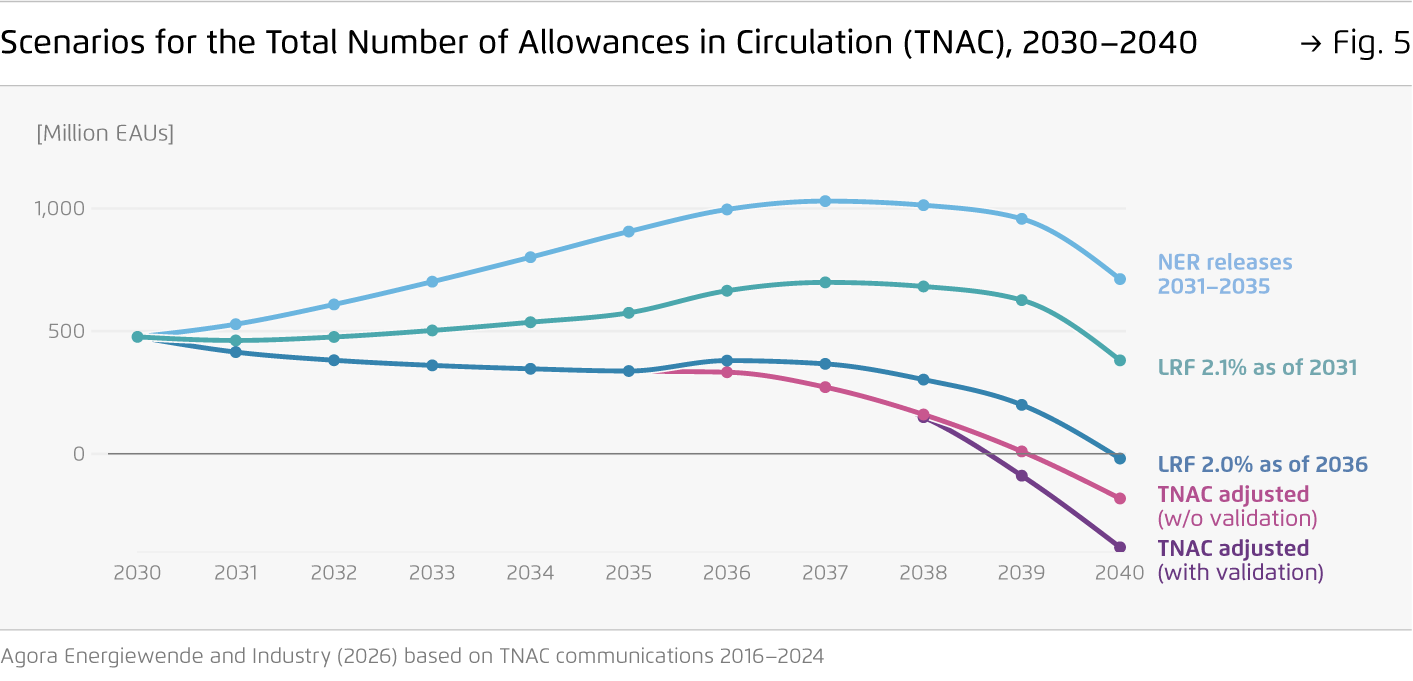
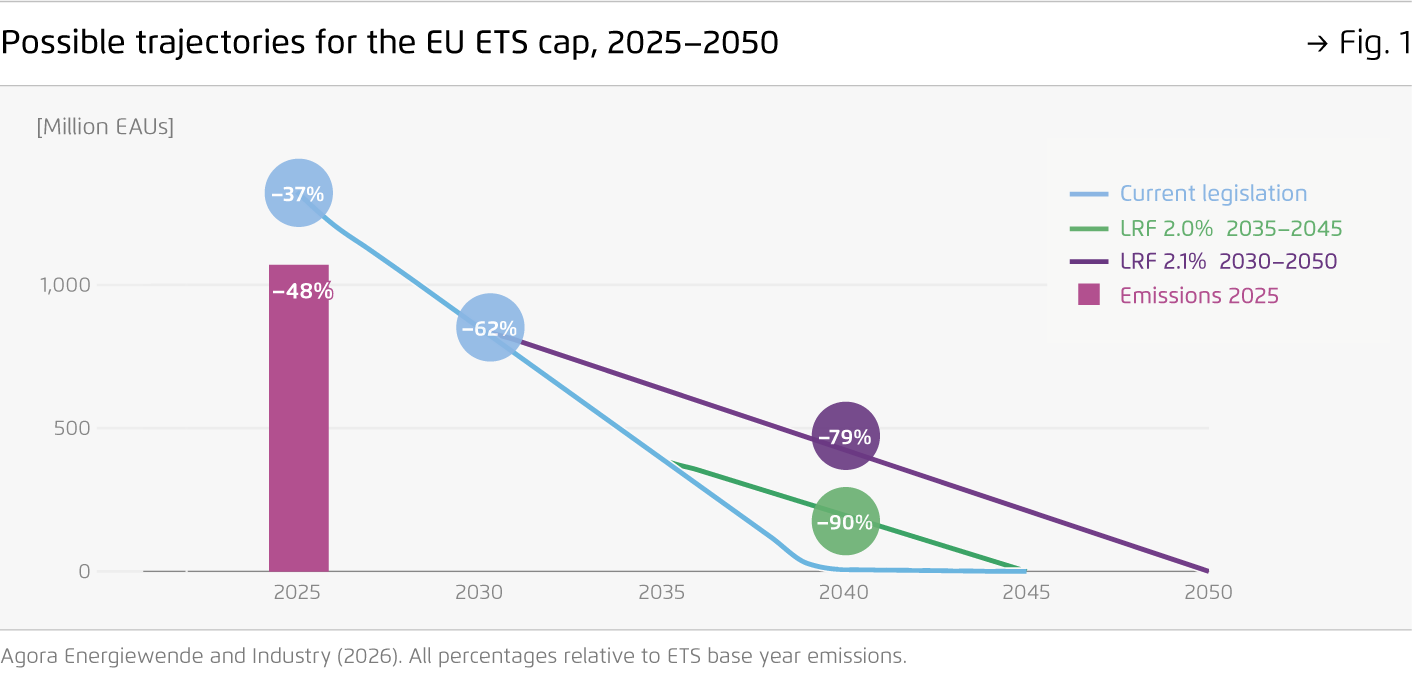
Maintaining the current emission reduction trajectory – the ‘linear reduction factor’ – until 2035 is crucial to create stability and investment certainty.
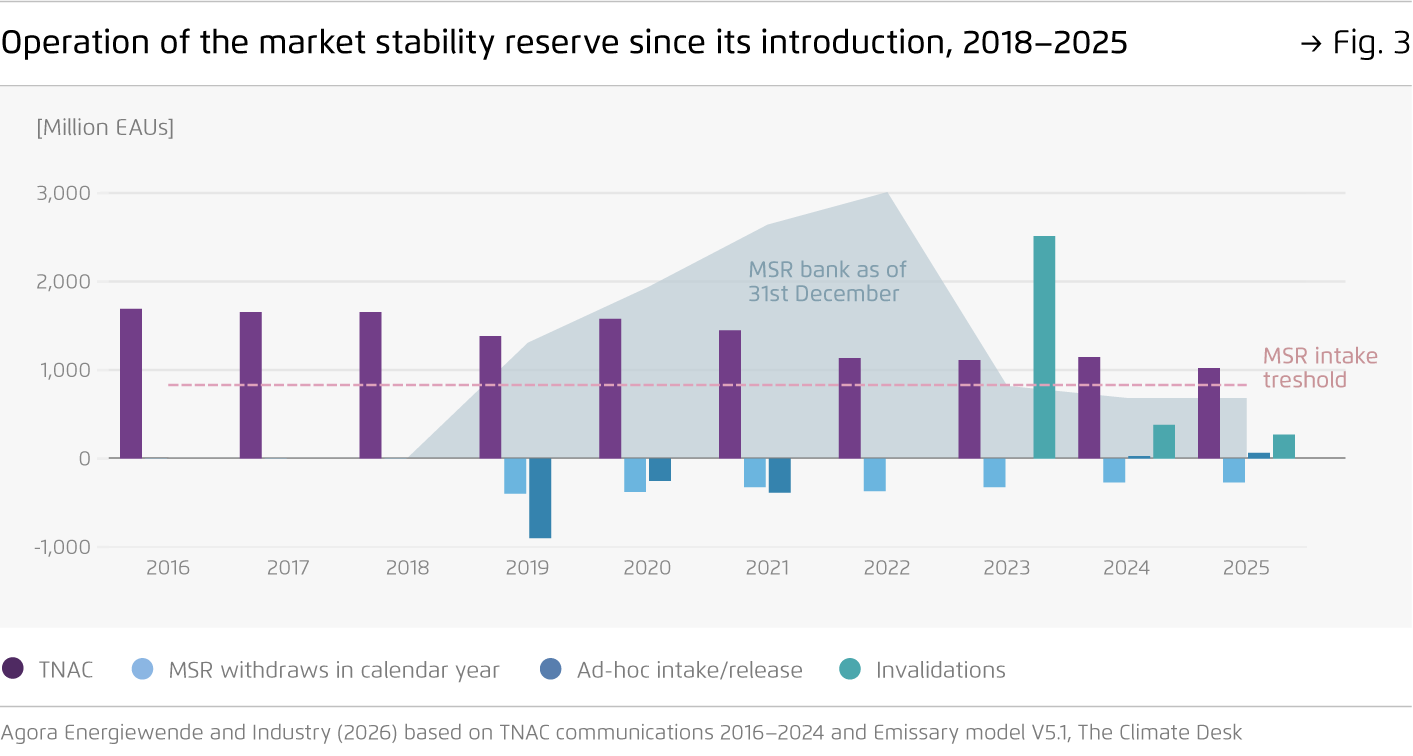
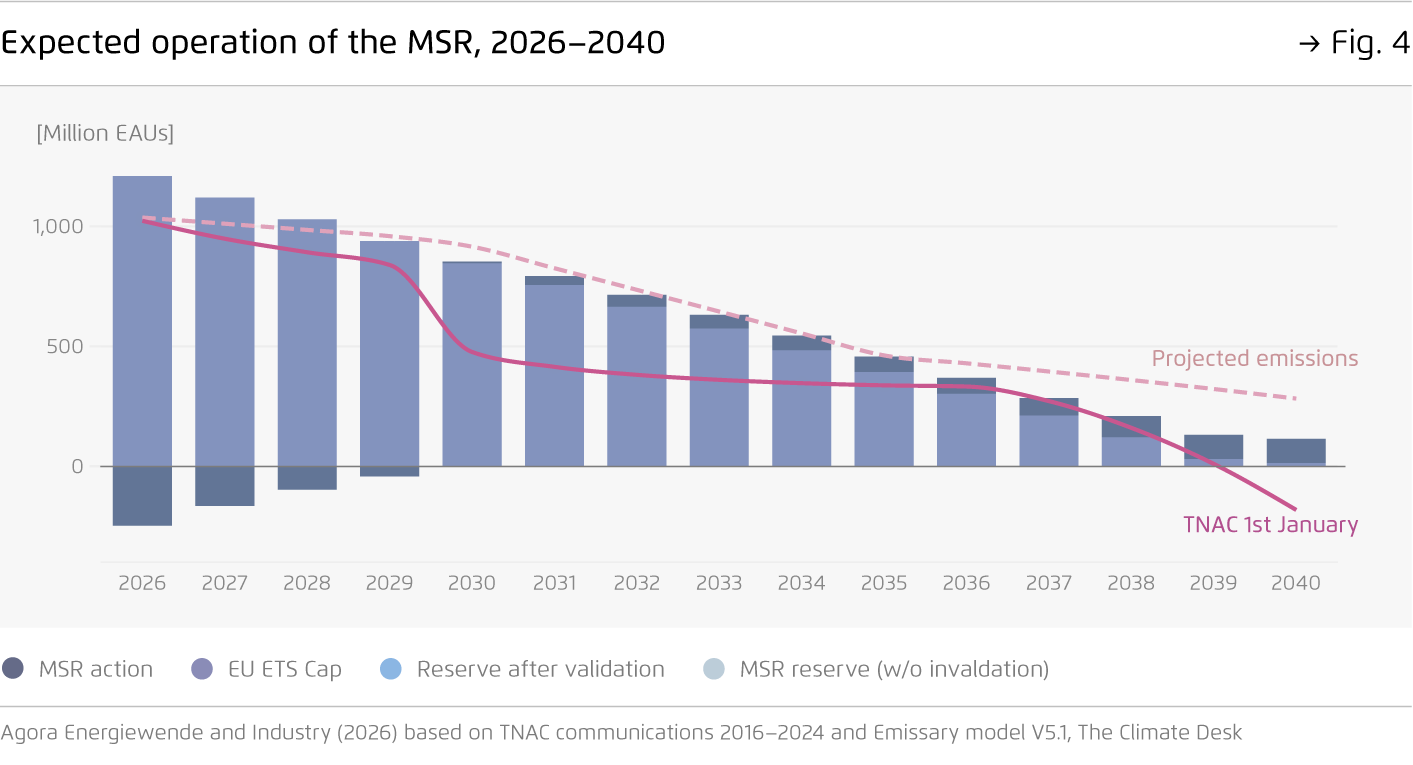
As the cap declines, the Market Stability Reserve will be increasingly important in ensuring a steady supply of allowances to a shrinking market and needs to remain a rule-based system with quantitative parameters. These two elements are essential to safeguard existing and future investments in clean technologies, and will avoid locking in conventional, high-emission processes.
-
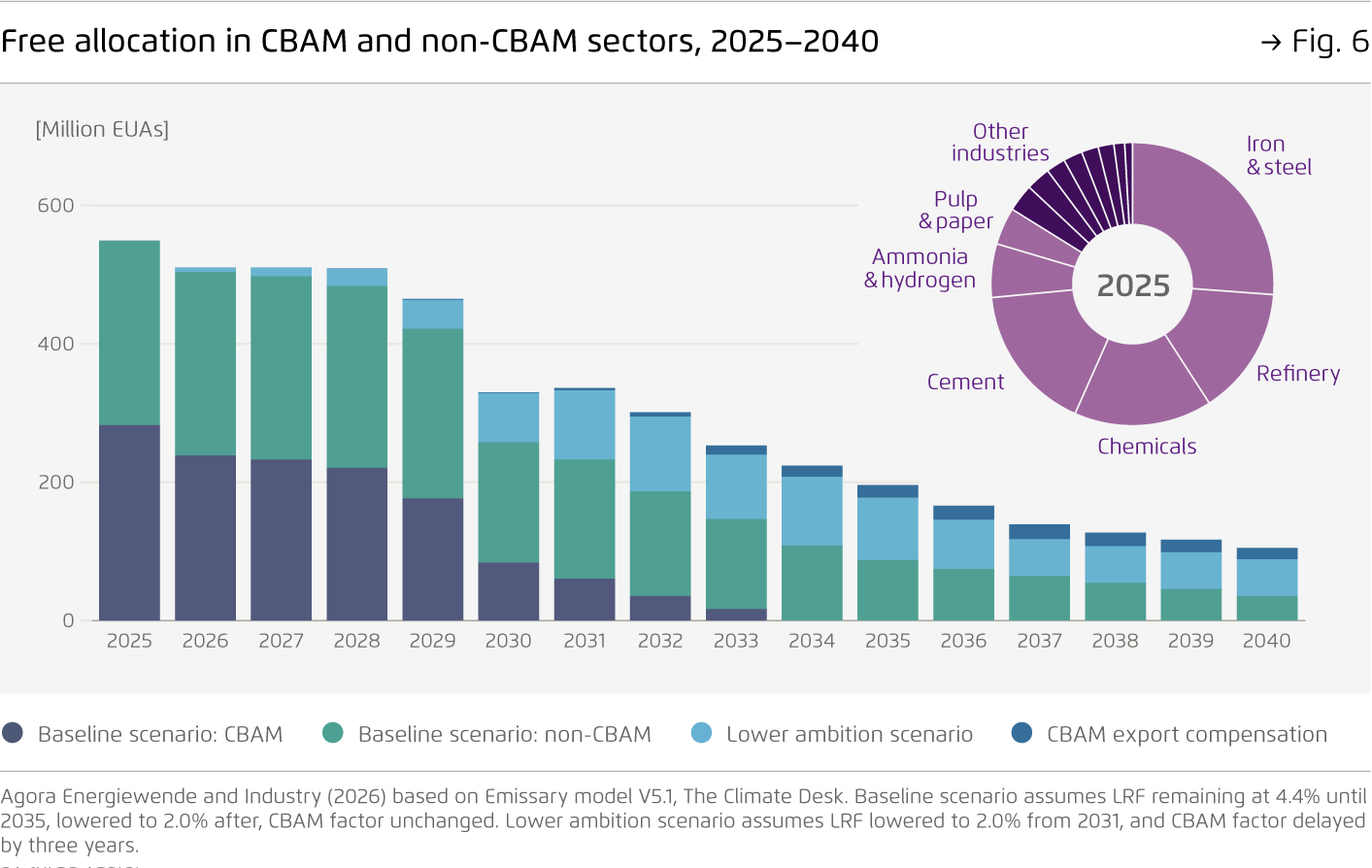
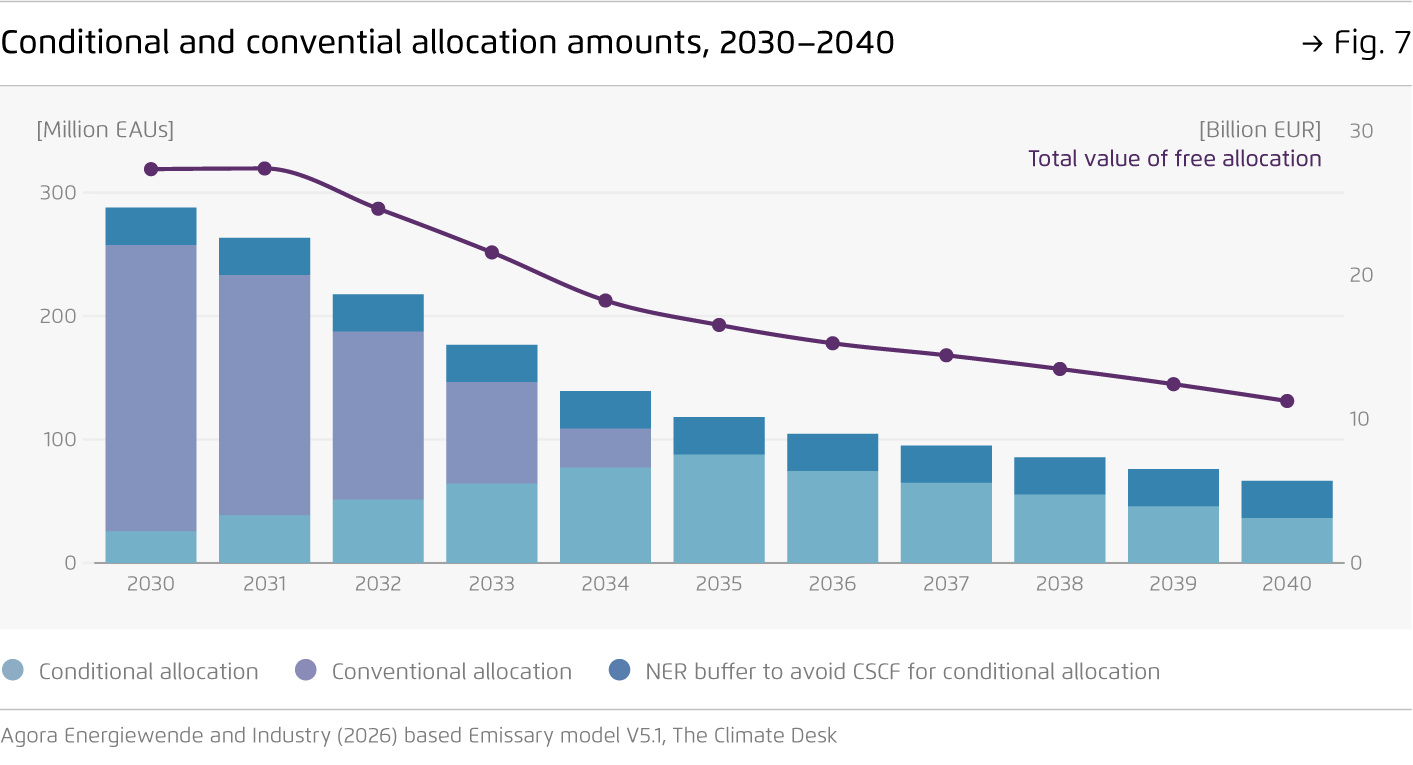
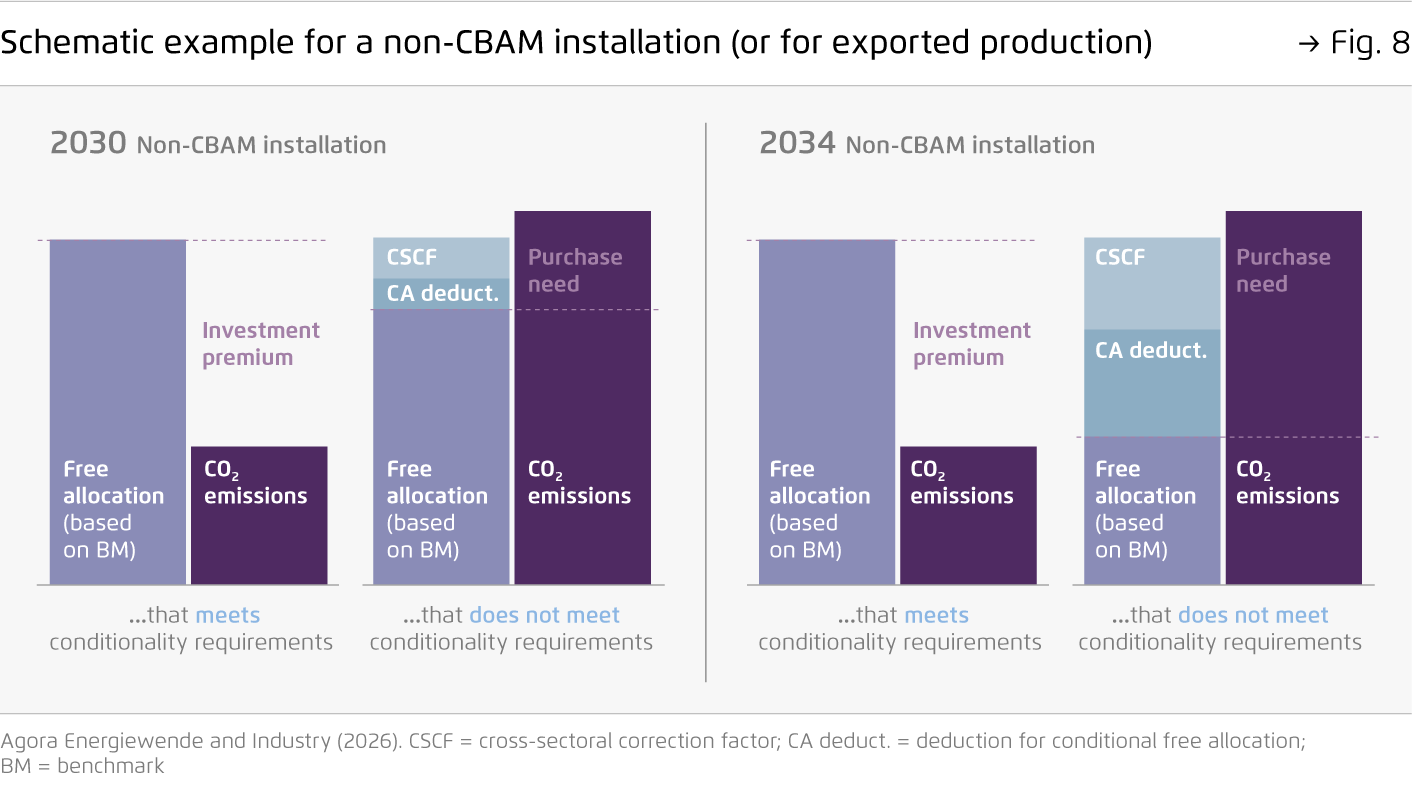
In those instances where free allocation continues, it should become conditional on investment in decarbonising production in Europe.
The approach primarily targets those parts of industry that are not covered by the Carbon Adjustment Mechanism and to compensate exports from sectors covered by it. This way, the EU ETS can reward and incentivise investments that are aligned with climate-neutrality pathways, helping companies to modernise their assets, reduce the risk of carbon leakage and secure local jobs.
-
Europe needs a strong industrial strategy with the ETS and CBAM at its core.
Together with demand-side instruments like lead markets and public procurement, sufficient financial resources, strategic infrastructure investment and trade safeguards, carbon pricing can fulfil its role as the EU’s central climate policy. Together, these measures will drive investment into clean production, which will help safeguard European industry’s position on the global market.
How Europe’s carbon market can boost clean investment
Design options for the 2026 EU ETS review
Summary
The EU Emissions Trading System is instrumental in driving cost-effective emission reductions. As Europe’s industry enters a decisive phase of decarbonisation, the system needs an upgrade – to align with Europe’s 2040 target and with changing economic and political conditions. The review should strengthen the role of the EU ETS to support decarbonisation investments, enhance competitiveness and reduce fossil dependence. This brief looks at three core issues of the 2026 review: the future trajectory of the cap, the revision of the Market Stability Reserve, and options to make remaining free allocation conditional on decarbonisation investments. The leitmotif of the review should be unlocking future investments in climate-neutral solutions, and protecting investments already made. Conditional free allocation and the targeted use of auctioning revenue can help to achieve this but need to be embedded in an industrial policy that combines demand-side instruments with infrastructure investments and safeguards for international trade.
Key findings
Update 15.07.2026: The key messages were amended to remove the 2034 reference for free-allocation conditionalities, for clarity and alignment with the rest of the publication.
Bibliographical data
Downloads
-
Policy Brief
pdf 448 KB
How Europe’s carbon market can boost clean investment
Design options for the 2026 EU ETS review
All figures in this publication
Possible trajectories for the EU ETS cap, 2025–2050
Figure 1 from How Europe’s carbon market can boost clean investment on page 6

Effective allowance supply to the EU ETS, 2025–2045
Figure 2 from How Europe’s carbon market can boost clean investment on page 8