Training Alumni Newsletter - 03/2025
Training Alumni Newsletter - 03/2025
Training climate and energy transformation experts for tomorrow

Impressions
-
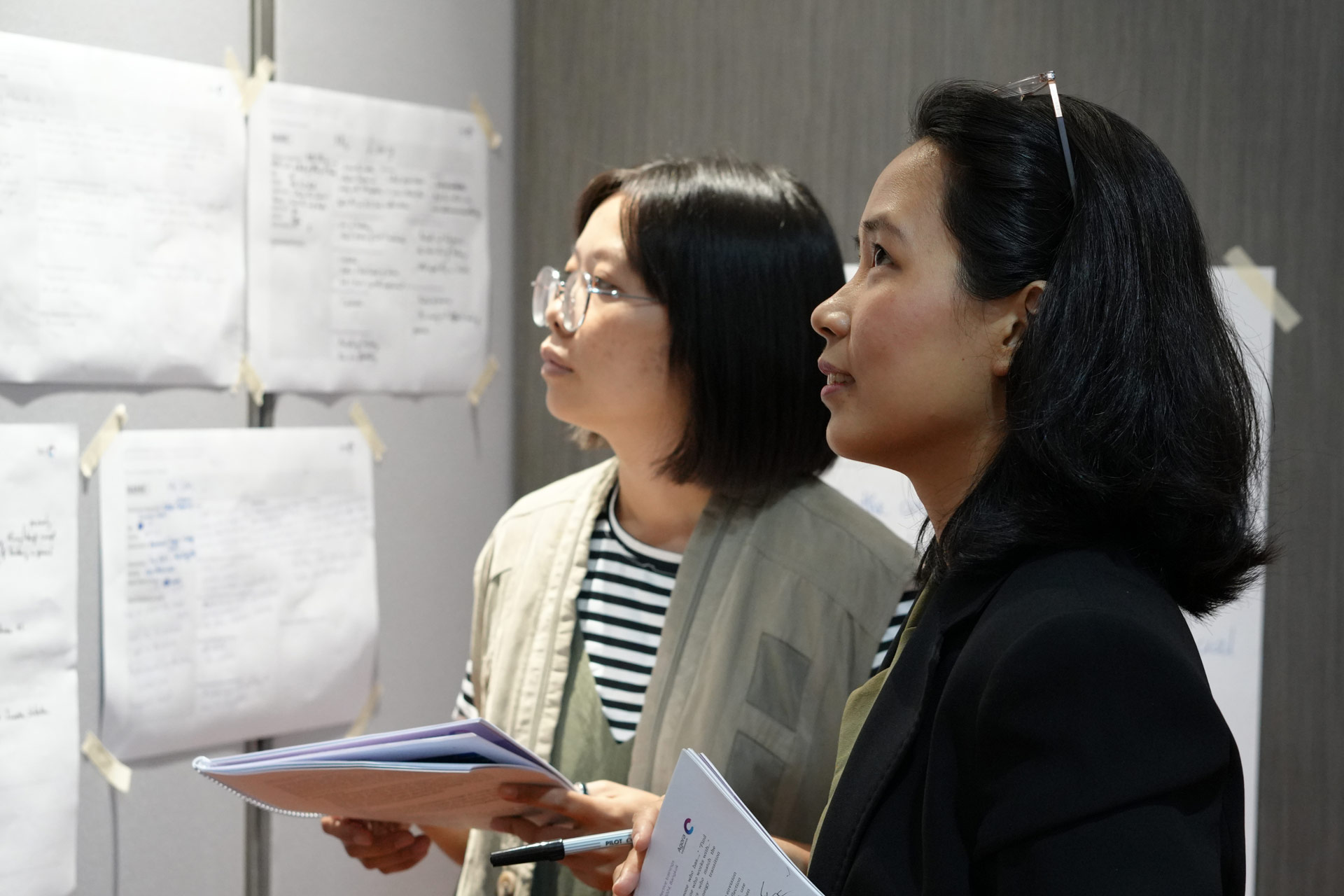
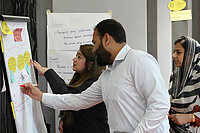
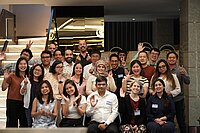
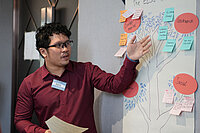
Train the Trainer, Bangkok 15-17 Oct 2024 | Photo: Intan Cindiatara
-
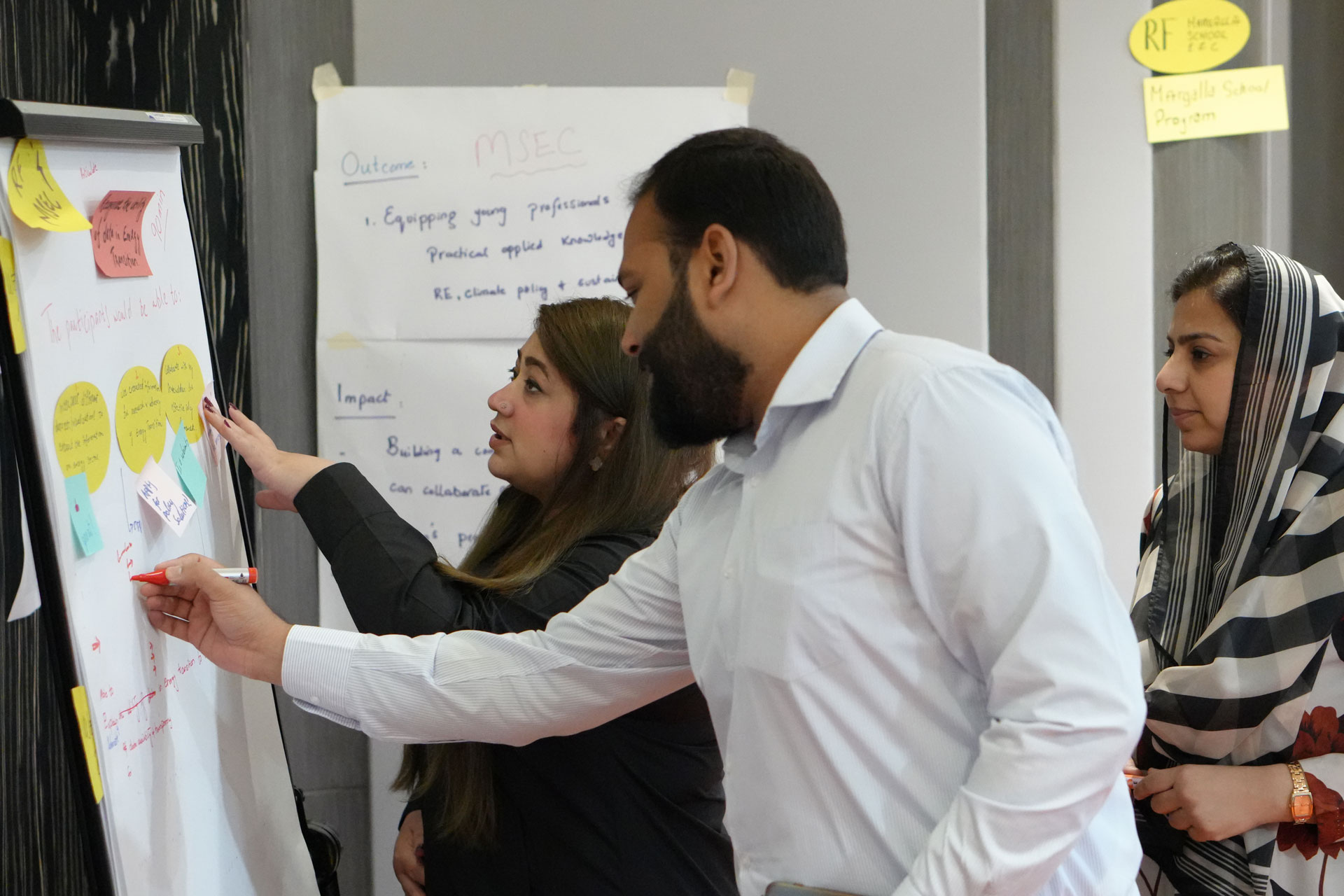
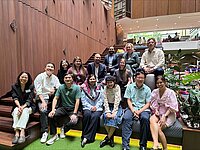
Train the Trainer, Bangkok 15-17 Oct 2024 | Photo: Intan Cindiatara
-
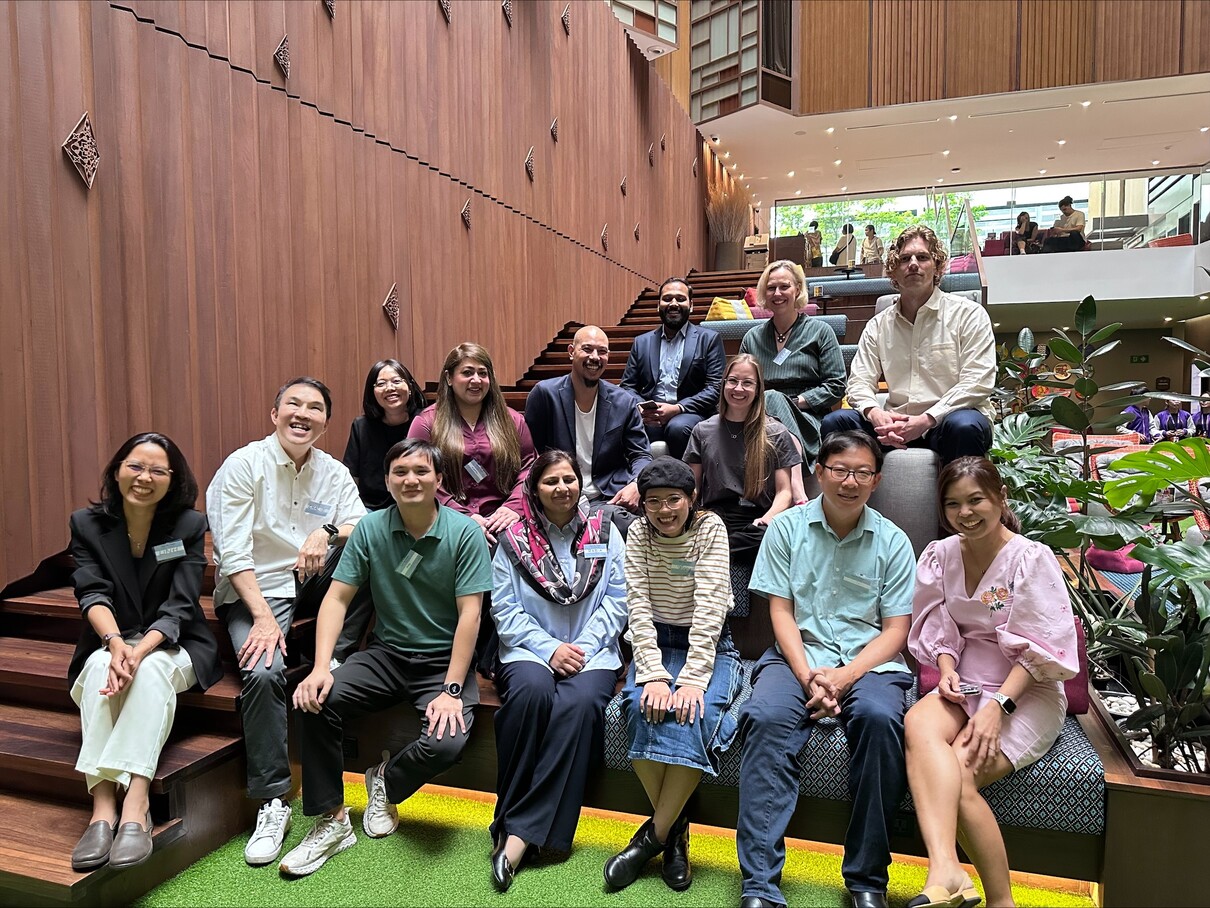
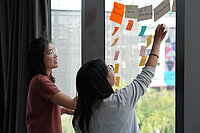
Train the Trainer, Bangkok 15-17 Oct 2024 | Photo: Intan Cindiatara
-
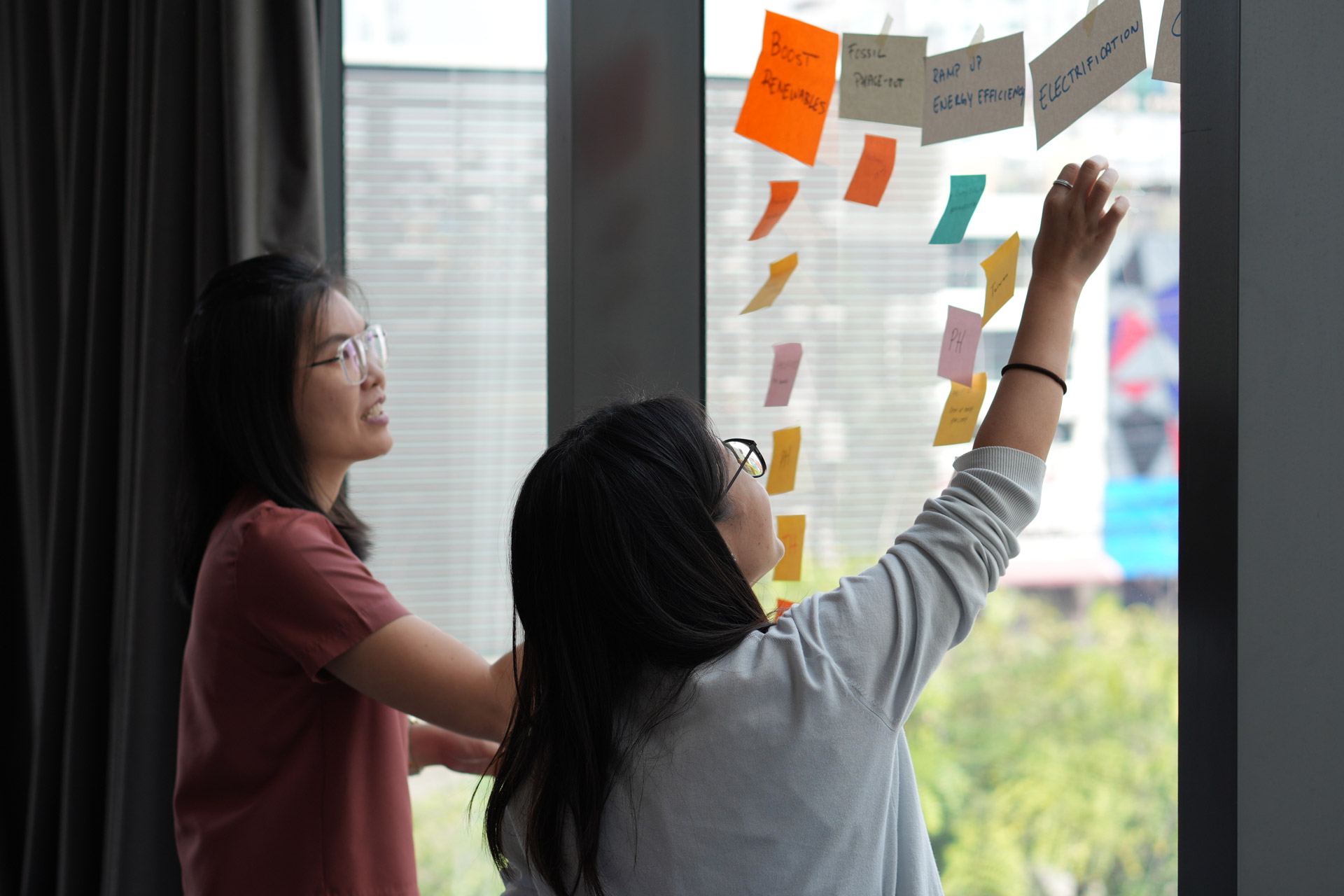
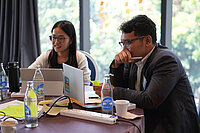
Powering the Transition, Bangkok 22-24 Oct 2024 | Photo: Intan Cinditiara
-
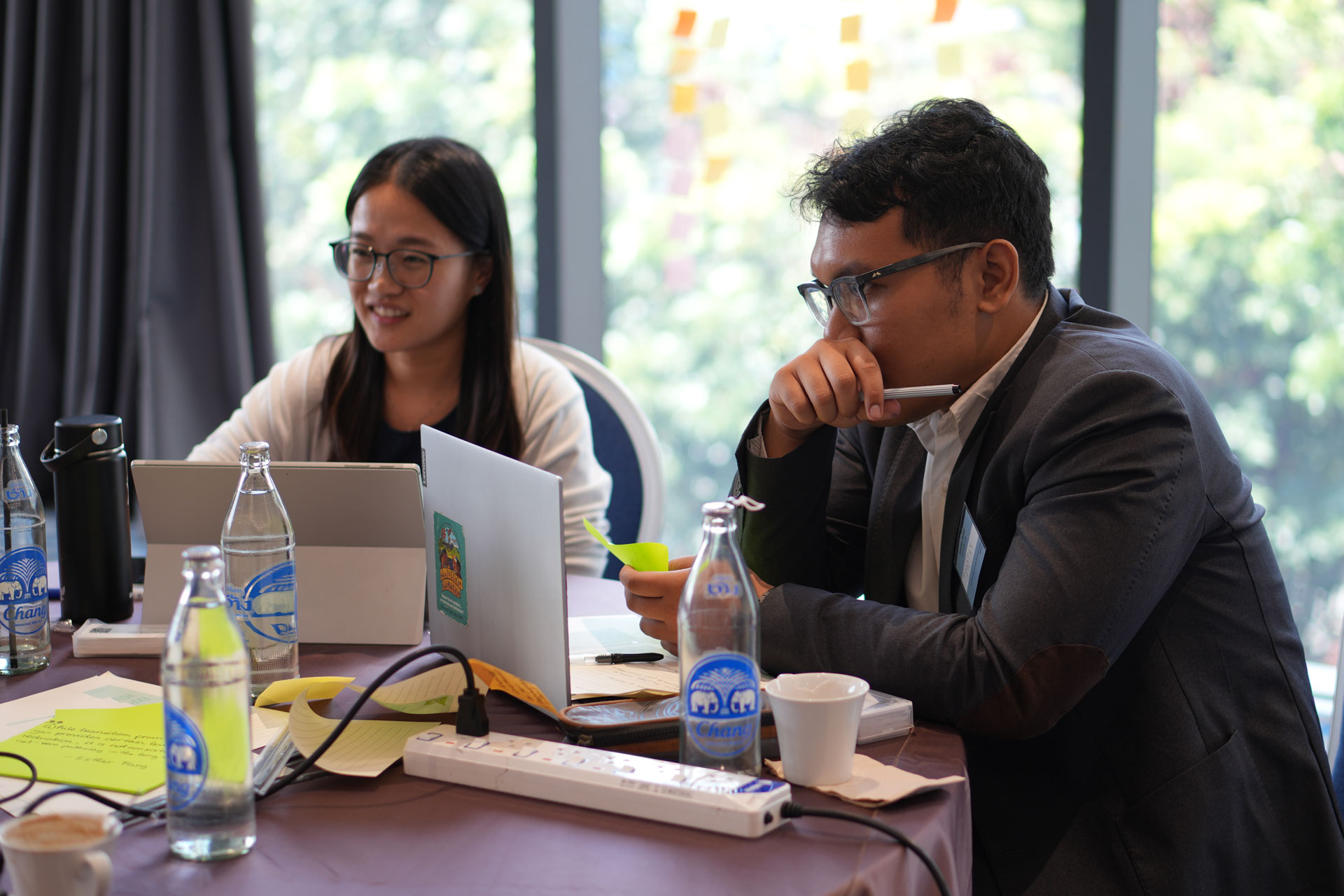
Powering the Transition, Bangkok 22-24 Oct 2024 | Photo: Intan Cinditiara
-
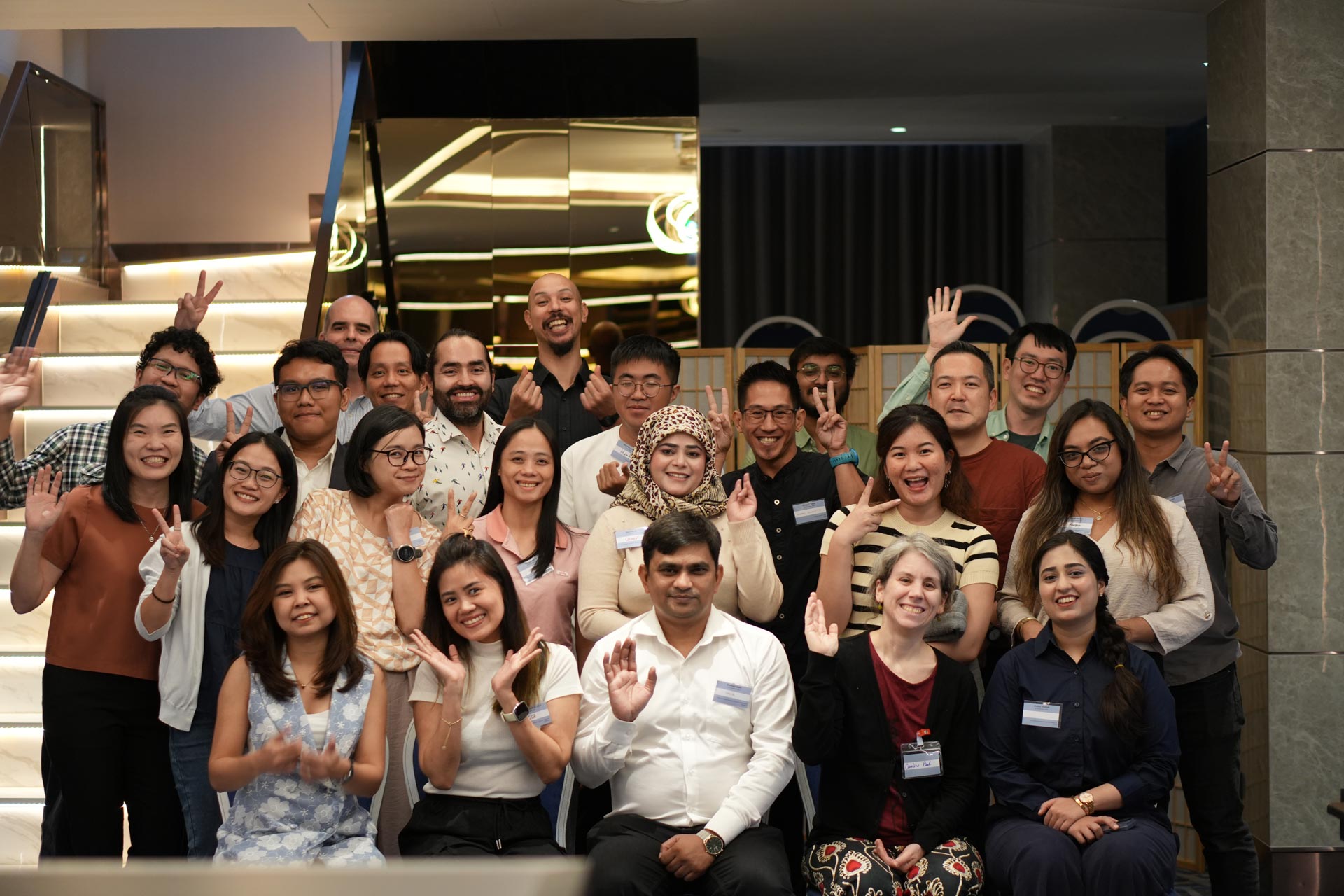
Powering the Transition, Bangkok 22-24 Oct 2024 | Photo: Intan Cinditiara
-
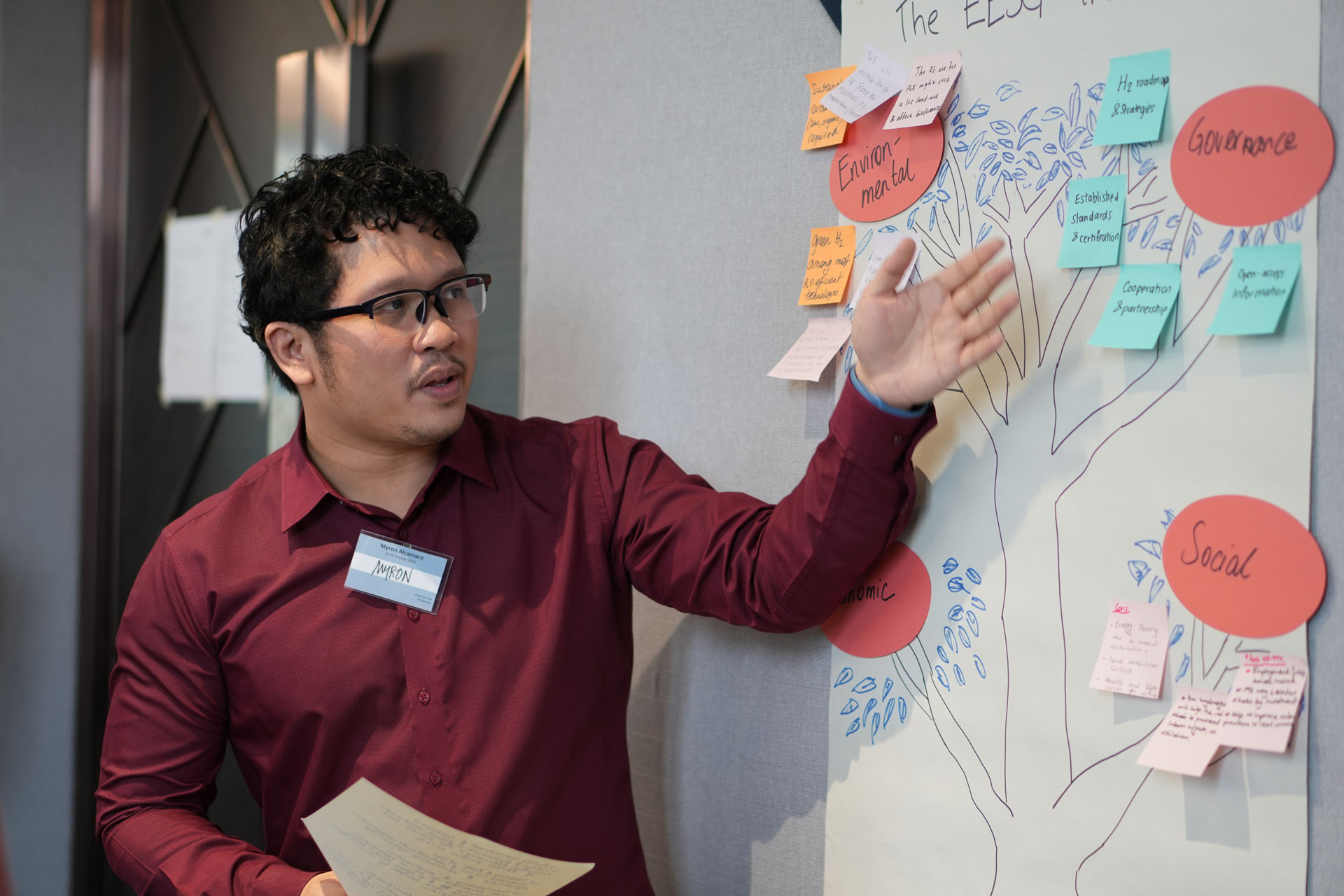
Powering the Transition, Bangkok 22-24 Oct 2024 | Photo: Intan Cinditiara
Dear Training Alumni,
We hope 2025 is off to a great start for you—hopefully with renewed energy, as we move forward in the energy transition even as headwinds shift. Our commitment to a carbon-neutral future is stronger than ever, and our collective ambitions in driving industrial decarbonisation and sustainable solutions remain critical.
To support these efforts, we are expanding our training opportunities this year. In addition to our existing trainings, we are also developing tailored training progammes that can be adapted to meet specific needs and contexts.
We’re also thrilled to officially welcome Caroline Paul to the team! Many of you already know her as the mastermind behind our Hydrogen & PtX Trainings. She will be in chagre of driving our industry-related capacity-building activities forward. Join us in giving her a warm welcome.
As our learning community grows, we are also revamping our website and would love to feature impact stories from our alumni. If you’d like to share your experience and insights, we’d love to hear from you!
We look forward to continuing to shape the energy transition with you.
With gratitude,
Henrike, Martha, Ema, Caroline and Ulrike
Your Training Team

Training News & Highlights
An overview of what’s coming in 2025 and beyond
March
The first tailor-made training designed for the Heinrich-Böll Foundation will be held in Berlin. This one-week intensive in-person training programme will cover topics such as the integration of renewables and grid flexibility, hydrogen and the decarbonisation of the steel and chemicals industries – just to name a few. For more information on customised training, feel free to reach us here.
May
After successfully piloting our three-day Train-the-Trainer programme in Bangkok, we will offer it again this year to a group of selected partner organisations. We may expand it to broader audiences in the future. Stay tuned!
June
Our successful three-day Grids Training in Bangkok will also return for its second round in 2025. With two cohorts scheduled for June, the training will explore solutions for grid integration of renewables as well as identifying gaps in current grid planning and operation practices. Cohorts for these programmes have been selected.
September
Right after the summer break we will kick off our new training on industrial transformation together with our colleagues at Agora Industry. Providing a comprehensive overview on all things industrial decarbonisation, this one-week training will equip participants to strategically contribute to ongoing policy debates and actively shape industry decarbonisation efforts in their countries. Note: The first round is open to INETTT members only. We will open the call to a wider audience for the industry training in 2026! Watch our LinkedIn channel or sign up to our Learning Opportunities newsletter to be informed once we open the call.
October
Another training will debut this year! We are currently busy developing a training on Electricity Market Design for the Southeast and East Asian context, equipping participants with a solid understanding of market fundamentals, the challenges of integrating wind and solar and effective policy and market approaches for supporting renewables in diverse regulatory environments. Stay tuned.

Call to Action
We need you! We’d love to feature your alumni impact stories in our newsletter and on our website. What’s one big (or small) milestone you have achieved thanks to our training? Share your story in a quick 20-minute interview with us – reach out to info(at)agora-training(dot)org and let us know if you’d like to take part.
What topics should we cover next? As we expand our training portfolio, we want to make sure we’re addressing the real challenges you face. Let us know what skills or knowledge would be most valuable to you –let us know at info(at)agora-training(dot)org.
Do you have an inspiring initiative or report to share? We’d love to amplify your work within our network. Let us know if you’d like to be featured in an upcoming edition by contacting info(at)agora-training(dot)org.
The next call for applications for our Unlocking Net-Zero Steel Training will open in mid- April. If you’d like to stay up to date on all open calls for applications over the coming year, sign up to our Learning Opportunities newsletter if you have not already.

Alumni Spotlight

Afaf Ali
Institutional Affiliation: Renewables First, Pakistan
In this interview, we speak with Afaf, an alumna of Agora Training's Hydrogen & PtX program and a key member of Renewables First, a think-and-do tank in Pakistan focused on energy transition and climate resilience. Afaf shares insights into her work on industrial decarbonisation, her role in launching the Pakistan chapter of “Women in Green Hydrogen,” and her upcoming fellowship with the Öko-Institut in Berlin. Discover how her passion for green hydrogen and inclusive energy solutions is shaping the future of Pakistan’s energy landscape.
Agora Training: You work with Renewables First in Pakistan. What is your organisation’s mission and what exciting projects are you currently working on?
Afaf: Renewables First is a think-and-do tank based in Islamabad, focused on energy transition policy, inclusive sustainable development and climate resilience. We bridge the gap between research and policy through advocacy, partnerships and communication – all to drive tangible action for a sustainable energy future.
I joined in 2023 and I am currently working on industrial decarbonisation, with a specific focus on assessing green hydrogen's viability in Pakistan. My role involves exploring its potential in decarbonising industry and laying the groundwork for a national hydrogen policy.
Agora Training: Reflecting on the past year, what success or milestone at Renewables First are you especially proud of?
Afaf: Though we are a relatively new think tank (established in 2022), we’ve already made significant strides in shaping Pakistan’s renewable energy policy. One highlight was our third-party verification of the potential renewable energy share in the country’s energy planning, challenging the government’s reliance on fossil fuels, particularly local coal. I’m proud that my work demonstrated that renewables are not just cost-effective but also the most sustainable alternative to coal.
Currently, another major focus is energy finance – how to attract climate and energy investment into Pakistan – so we’re working on solutions to create a market for renewables. We’re also building a new generation of energy professionals who understand the urgency of the energy transition and can advocate for renewables. We do this through the Margalla School of Energy and Climate. Agora’s Training Team has been instrumental in helping us get the school off the ground.
Agora Training: You completed the Hydrogen & PtX Training at Agora in 2023. How did it shape your work? What tangible impacts have you seen as a result?
Afaf: When I joined Renewables First in 2023, one of my key interests was exploring the viability of green hydrogen in Pakistan’s energy transition. Green hydrogen is still a niche topic here, with ongoing debates about its most viable use cases. The Hydrogen & PtX training was a game-changer for me, giving me the understanding and tools to navigate the green hydrogen debate. It clarified that while green hydrogen is a promising solution, it’s not a one-size-fits-all fix. It truly helped close my knowledge gap and equipped me with the skills I now apply in my work.
Currently, I’m assessing the techno-economic landscape of green hydrogen in Pakistan, particularly the barriers to adoption. While interest is growing, significant uncertainties remain, especially regarding investment. Pakistan lacks the ecosystem to channel the required financing. Our focus is on bridging that gap.
Agora Training: You initiated the Pakistan chapter of “Women in Green Hydrogen” and are now expanding it to more South Asian countries. What inspired this initiative?
Afaf: As a woman in engineering, I’ve experience firsthand how male-dominated the energy sector is. Before joining Women in Green Hydrogen (WiGH), I was part of the Women in Energy Network, which supports young female engineers by connecting them with recruiters and providing capacity-building opportunities. Many women, especially in our society, face cultural and societal hurdles. Networks like these help them navigate their professional journeys and break into the energy sector.
At the hydrogen training in Berlin, I connected with a colleague from GIZ, who is also a founding member of WiGH. At the time, I felt like the only woman in Pakistan working on green hydrogen and wanted to change that. With her support and backing from Renewables First, I initiated the Pakistan chapter.
However, given the limited number of women in this field across South Asia, we recently merged country chapters into a unified South Asia chapter to foster collaboration, share experiences and address shared challenges, such as the cultural integration of women. We officially launched in early February in India.
Agora Training: You’re about to embark on a new professional journey. What inspired you to take this leap, and what are your hopes for this next step?
Afaf: I’m thrilled to join the Öko-Institut in Berlin as a fellow through the International Climate Protection Fellowship from the Alexander von Humboldt Foundation – the first Pakistani to get it as Prospective Leader in Climate to receive this is a huge honour! It’s something I’m very proud of.
During my fellowship, I’ll be exploring the techno-economic viability of green hydrogen in Pakistan, identifying barriers and mapping out opportunities. My work will involve using the Business Opportunity Analyser developed by Agora Industry and Öko-Institut to take a data-driven approach and I’m excited to collaborate closely with both organisations.
I chose this fellowship to facilitate knowledge transfer between Germany – especially its expertise in areas like green hydrogen exports – and Pakistan. My goal is to deliver actionable policy recommendations to accelerate green hydrogen adoption in Pakistan.

What we're reading and listening to
You got a glimpse of Germany’s energy transition by attending a training in Germany or through our expert trainers. If you are wondering where Germany’s energy transition stands today, check out Agora Energiewende’s new Q&A-style overview, The German Energiewende which covers all the key questions in one place in English language
Are you a facilitator, moderator or trainer and want to amplify female voices in your trainings or events by design? Then check out the manual “Gender sensitivity training” by the PtXHub and Green Hydrogen South Africa initiative to foster more representation of women in the field of energy transition.
In 2021, Türkiye declared their net-zero emissions target for 2053. In light of that our INETTT partners at Shura have published a report on the socioeconomic impact of transitioning to a carbon-free future. It not only covers the energy system but also major demand sectors such as industry, transport, and buildings.
Interested in learning more on Indonesia’s energy transition journey including the country’s progress, challenges and opportunities? Our partners over at IESR including our training Alumnus Farid Wijaya have published their annual flagship report Indonesia Energy Transition Outlook 2025.
Staying in the region: How can economies in South, Southeast and East Asia scale up their solar and wind capacities more than fivefold by 2030 to align with domestic net-zero targets? Ou Southeast Asia colleagues at Agora Energiewende have written an analysis called SCALE UP for net zero: benchmarking solar and wind growth in South, Southeast and East Asia on what needs to be done.
Staying with the topic: The study The Great Solar Rush in Pakistan by our Training Alumni Muhammad Mustafa Amjad and Muhammad Basit Ghauri together with colleagues at Renewables First, is examining the transformative development of Pakistan’s solar energy adoption.
Central to the process of moving away from coal as a significant energy source is the concept of a “just transition” to ensure that the move to a low- carbon economy is fair, addressing the needs of the workers, communities and industries impacted by the change. The report A just transition for coal regions: insights from Shanxi and Europe by Agora Energy Transition China in collaboration with partners from the region compares Shanxi’s transition progress with that of five coal regions in Europe and offers actionable insights into supporting coal workers and communities, with a focus on employment and economic diversification strategies. The executive summary is available in English.

Other Opportunities
- Are you an outstanding academic, journalist, practitioner or professional with significant work experience in the field of EU/German-Turkish relations or climate change? Then this Mercator-IPC Fellowship Program is something for you. Go check out their call for applications for 2025/6.
Ever heard about The Climate Talent Initiative (CTI)? It accelerates the transition to clean energy by providing regranting and advisory services to the philanthropy community, helping pilot and scale solutions to complex talent challenges. Go check out the eligibility criteria and how to apply here.
Female Training Alumni’s listen up! Interested in joining the Green Hydrogen revolution? Then consider joining “Women in Green Hydrogen” network on LinkedIn or subscribe to their newsletter, to stay up to date on events, exclusive mentorship opportunities and more. The next round of their mentorship programme opens this summer. Check out their different country chapters and get involved!
Training alumni in the Asia- Pacific region- this one is for you! The Asia Clean Energy Forum (ACEF), organized by the Asian Development Bank (ADB), is happening again June 2-6 this year. As a flagship event for advancing clean energy solutions and promoting sustainable growth across the region, it is one not to be missed. This years forum will be held at the ADB headquarters in Manila, Philippines under the theme “Empowering the future: Clean energy innovations, regional cooperation and integration, and financing solutions” and is co-organized with the Korea Energy Agency (KEA).
Our Training Alumni
The Training Alumni Network provides a platform to bring together over 290 graduates (and counting) from our trainings. With a vision to foster a flourishing ecosystem of climate and energy experts, the network aims to allow alumni connect and exchange resources, knowledge and lessons learned in a multitude of formats to advance the clean-energy transition and climate-neutral industry around the world.
Activities of the network include peer review and research outputs, advocacy, outreach, and authorship in the name of the Alumni Network, global and regional network meetings, internal network communication approaches and trainings, workshops, and thematic events. Past activities include communications and thematic webinars on current topics, in-person and virtual Network Meetings and communications trainings.