Training Alumni Newsletter - 01/2026
Training Alumni Newsletter - 01/2026
Training climate and energy transformation experts for tomorrow

Impressions
-
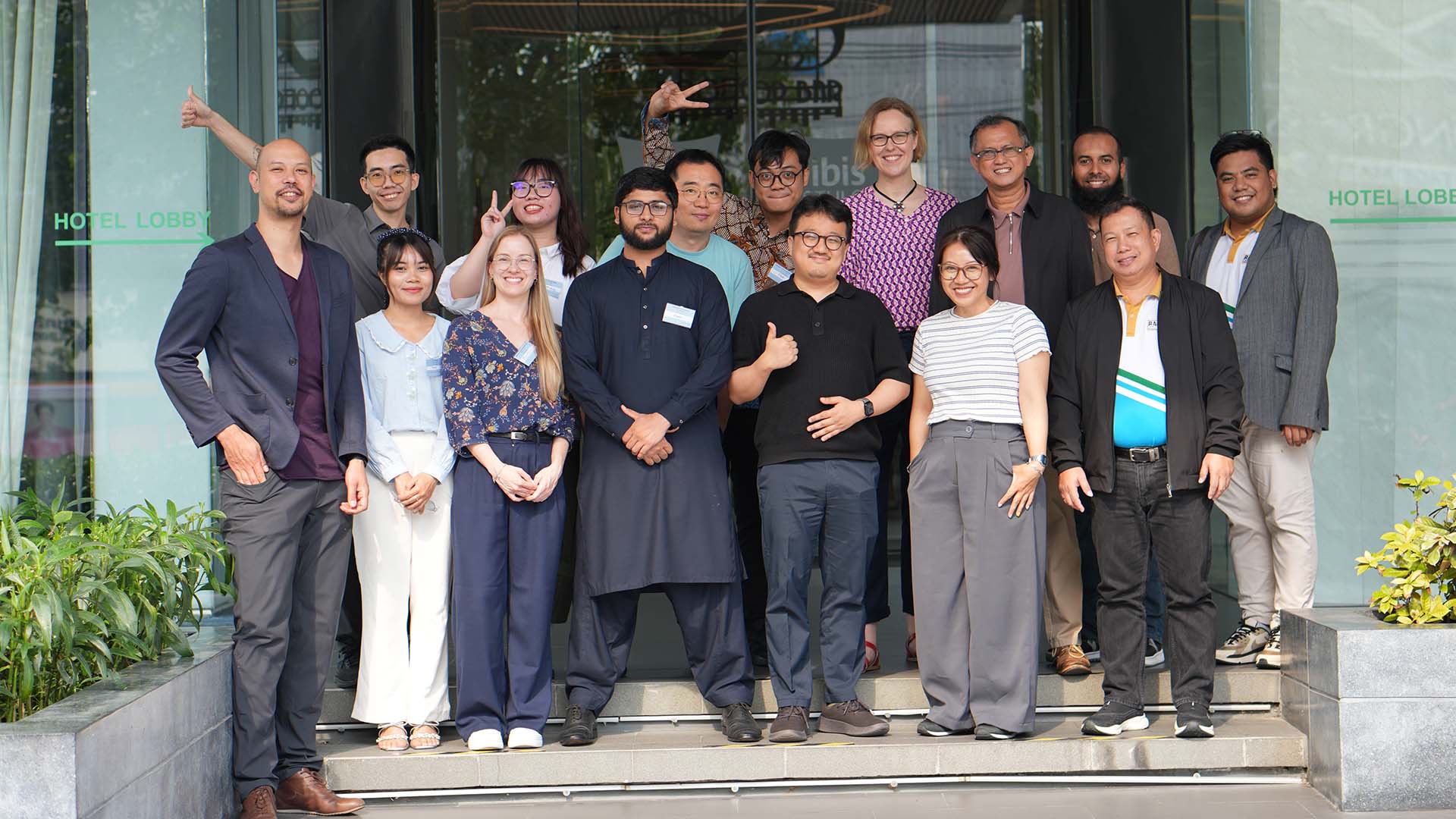
Train the Trainer, Bangkok 2025 | Photo: Intan Cinditiara
-
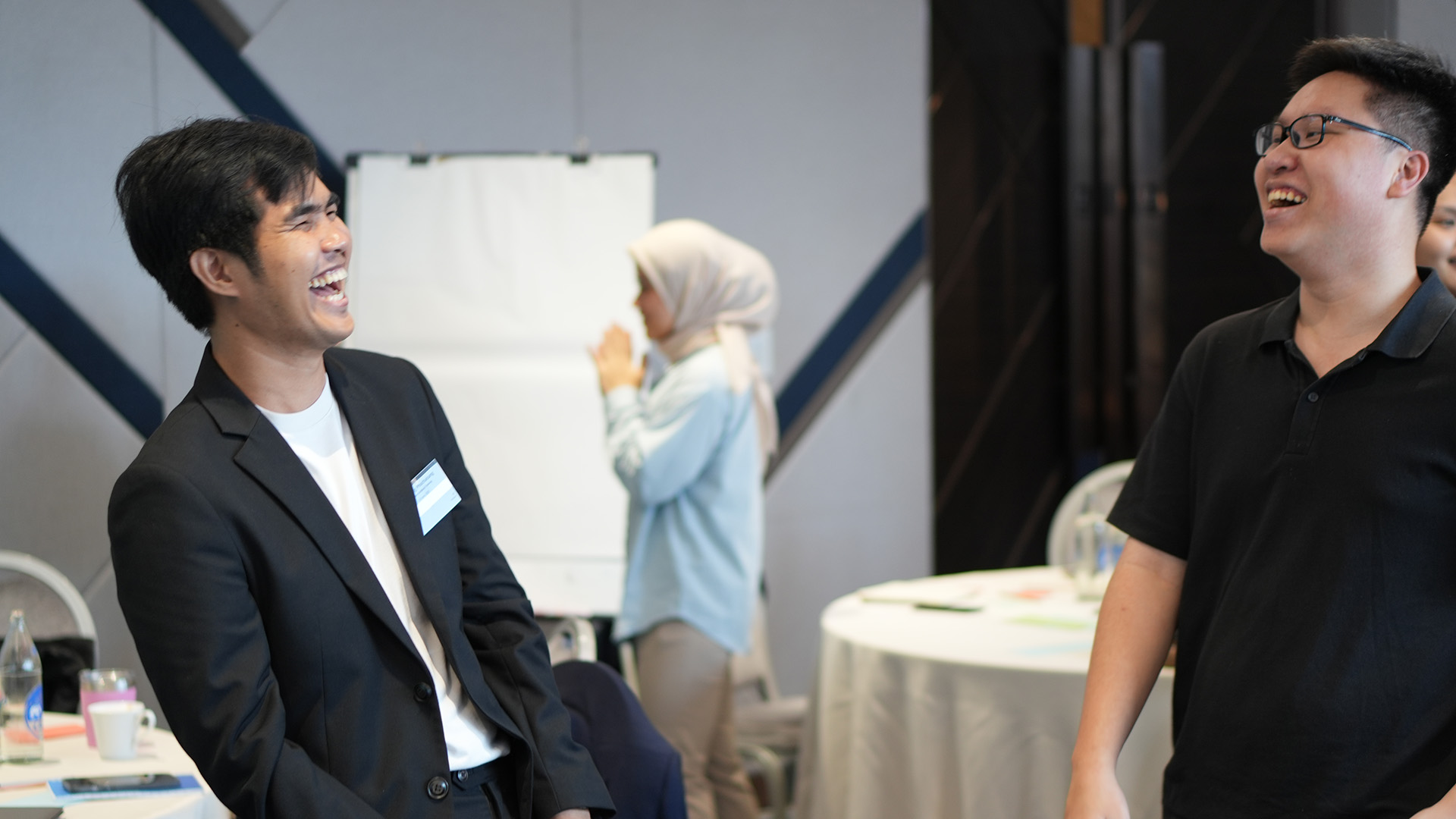
Breaking the Gridlock, Bangkok 2025 | Photo: Intan Cinditiara
-
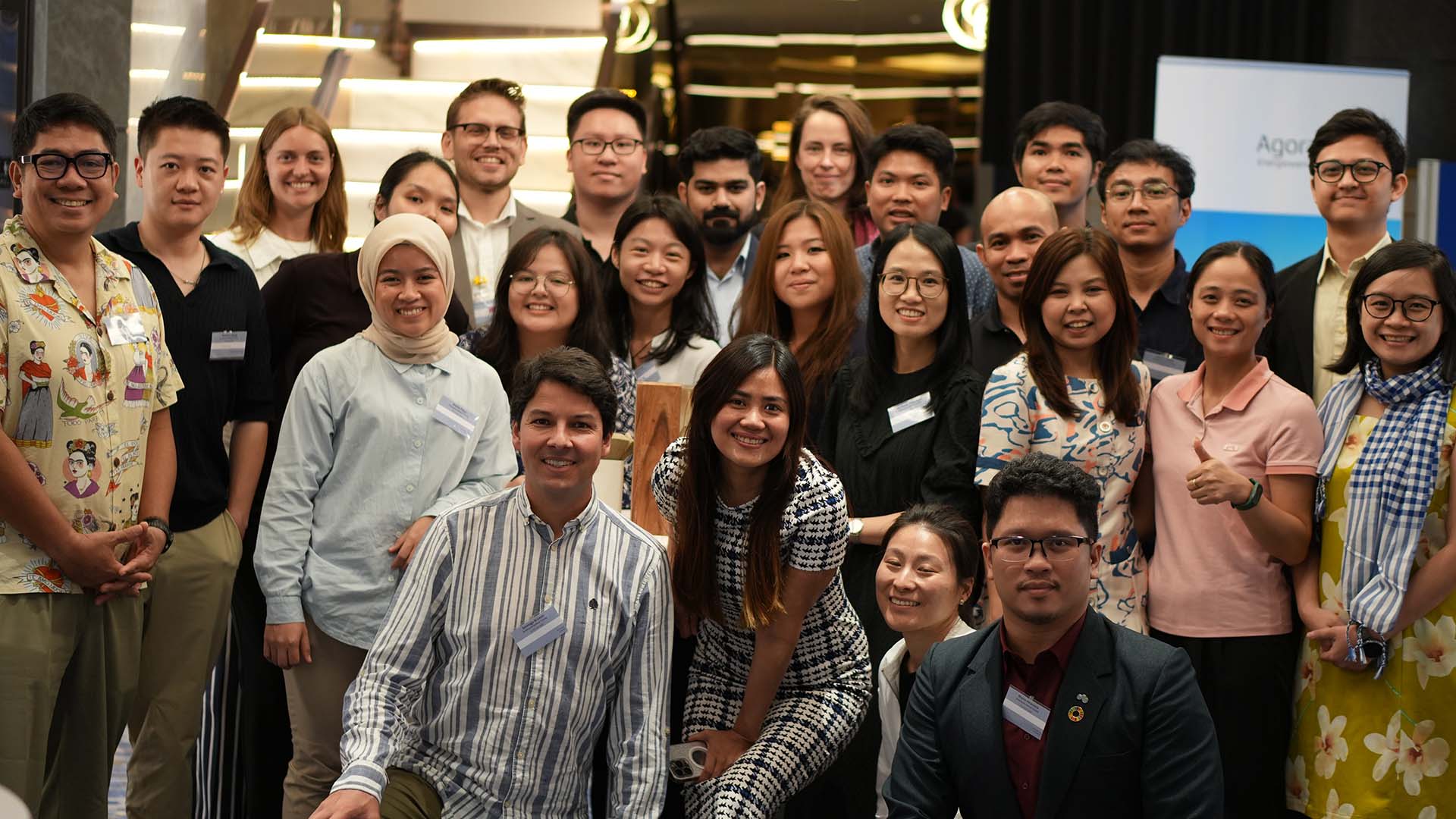
Breaking the Gridlock, Bangkok 2025 | Photo: Intan Cinditiara
-
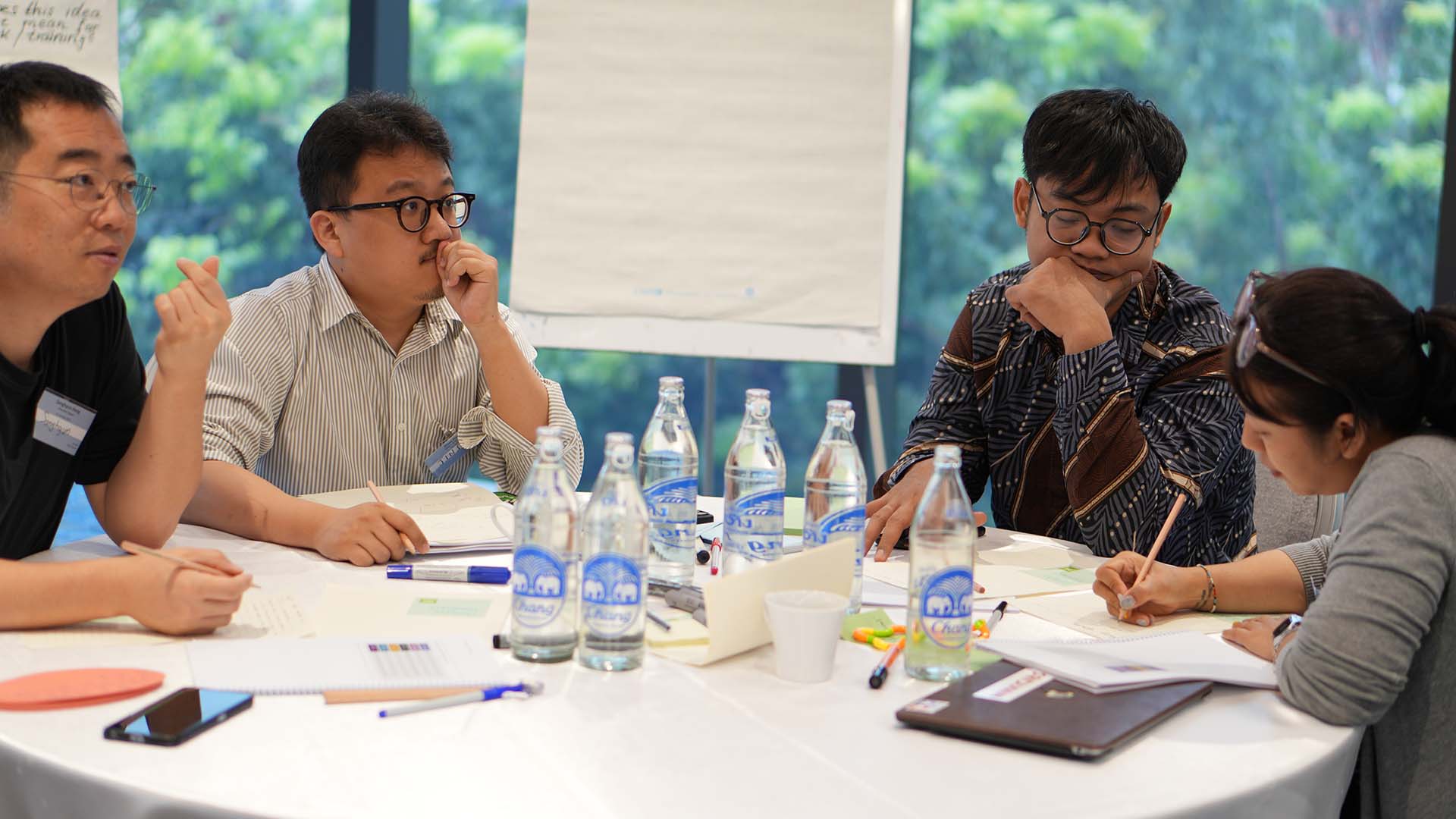
Train the Trainer, Bangkok 2025 | Photo: Intan Cinditiara
-
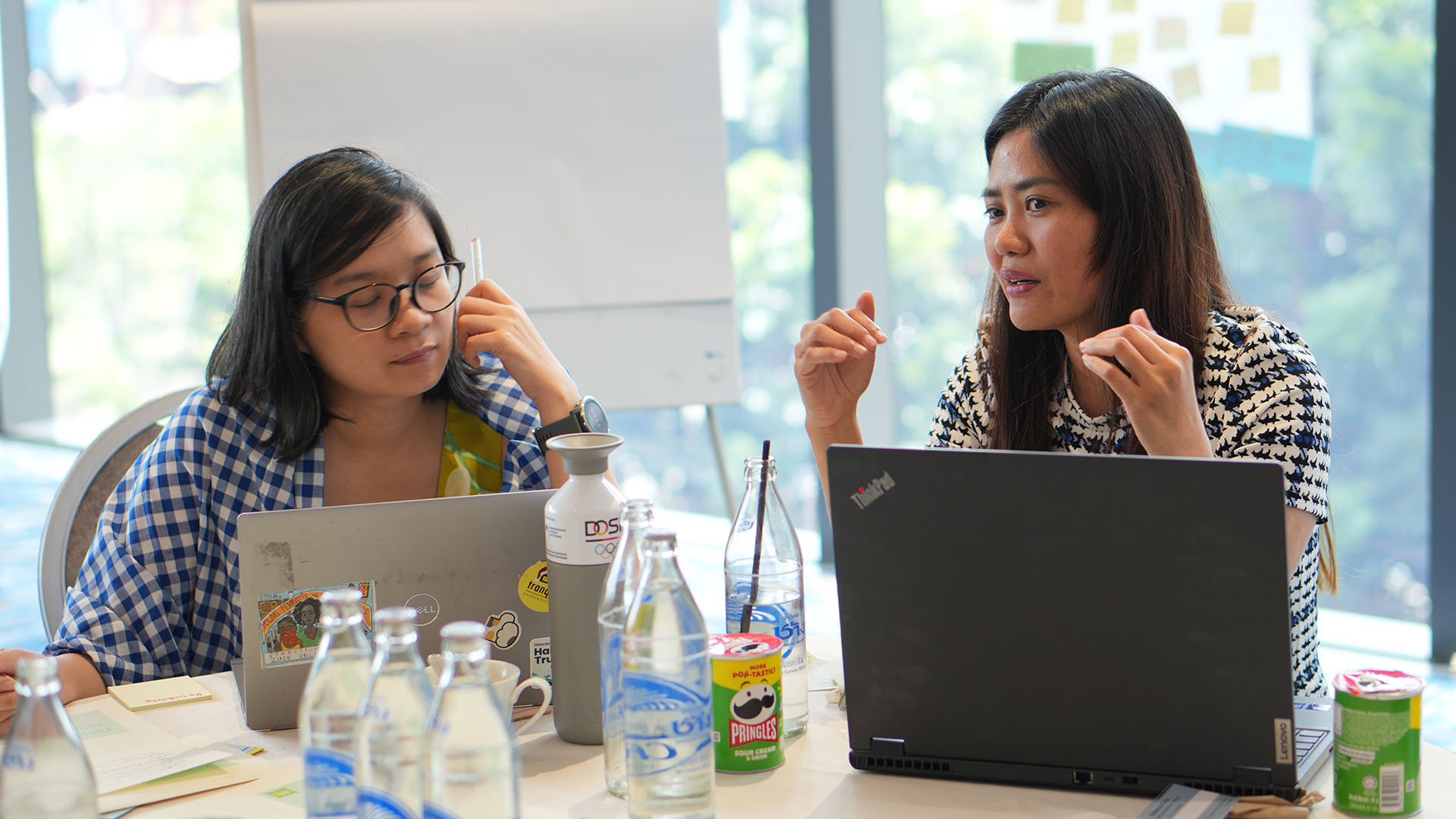
Train the Trainer, Bangkok 2025 | Photo: Intan Cinditiara
-
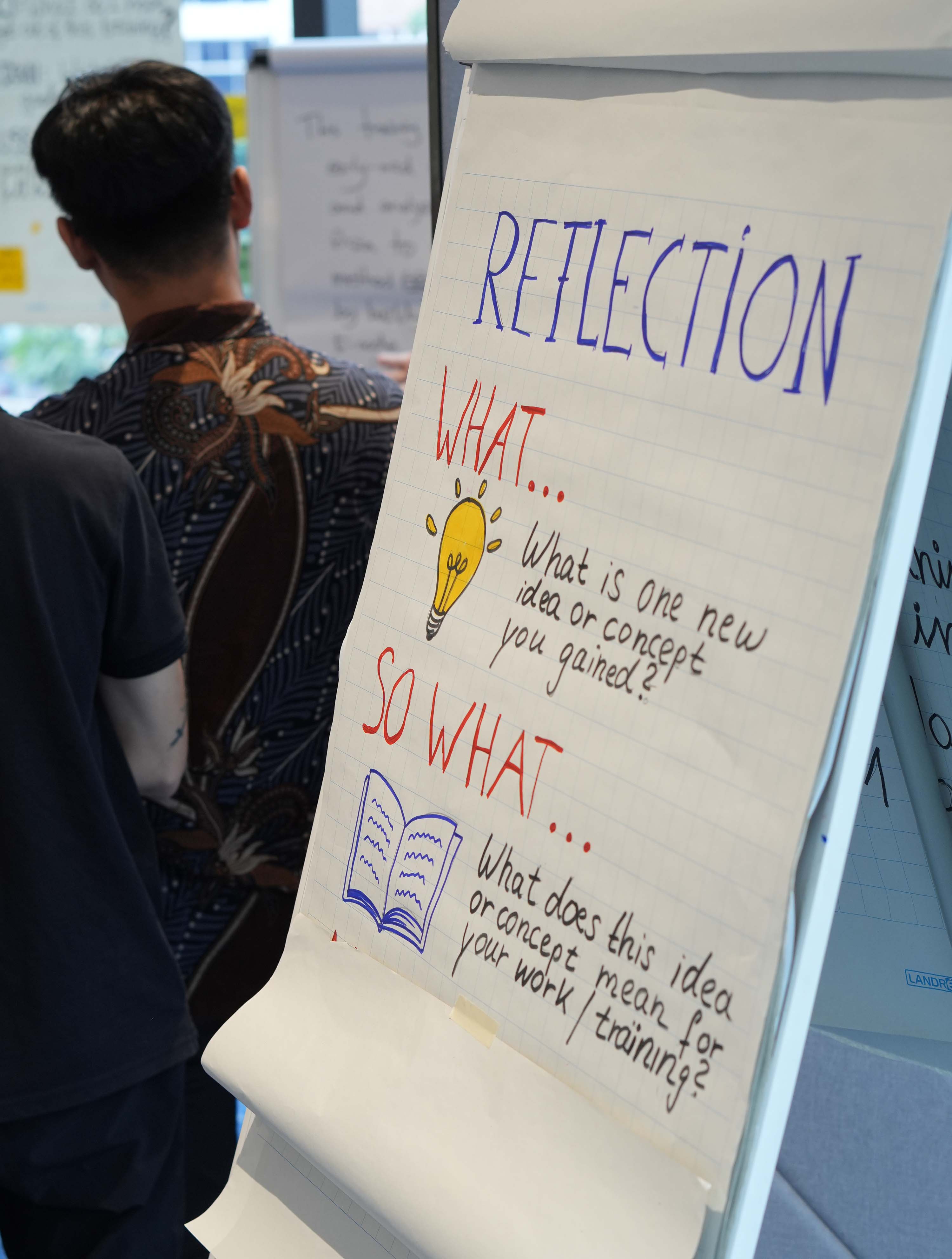
Train the Trainer, Bangkok 2025 | Photo: Intan Cinditiara
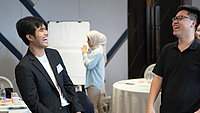
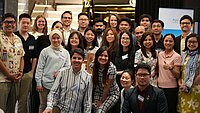
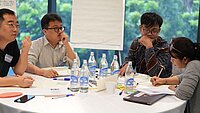

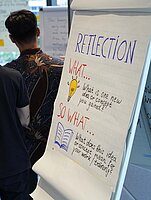
As we step into 2026, we’re taking a moment to look back on an eventful and energising year for our training community. We kicked off 2025 with another impactful round of our Breaking the Gridlock training in Bangkok, followed later by a special edition tailored specifically to Pakistan – this marked a new chapter in our commitment to localised learning. In May, our much-loved Train-the-Trainer programme returned, continuing to strengthen facilitation skills across the region. We also proudly launched two new types of trainings: our very first Electricity Market Design training in Bangkok and the start of our Industry Transformation series in Mexico, with this first round especially developed for members of the International Network of Energy Transition Think Tanks (INETTT).
2025 also brought changes within our team: we said goodbye to Henrike Doebert in her role as Programme Lead for Trainings as she moved into a new position within Agora. Her energy and vision have shaped our work in many ways, and the rest of the team is carrying that spirit forward into 2026 and beyond. We’re pleased to welcome Thorsten Lenk as our new Team Lead for Trainings. Thorsten also heads the energy data and modelling team at Agora and brings a wealth of experience to the role.
With renewed momentum following COP30 in Belém, we’re reminded that every conversation and opportunity for collaboration matters. We hope our trainings continue to support your work in shaping a just and effective transition.
We’re also excited to share that a new round of training opportunities is just around the corner. Thanks to continued support from the International Climate Initiative (IKI), we’re kicking off an almost four-year training project focused on accelerating the power and industrial sector transition, together with partners across Latin America and Southeast Asia.
We look forward to continuing the learning journey with you. Onwards to climate neutrality together!
With gratitude,
Your Agroa Training Team

Training News & Highlights
An overview of what’s happened in the last months and what lies ahead for 2026
2025:
October
- Our colleagues from Agora’s Power System Transformation team piloted the new Electricity Market Design training in Bangkok, hosting two cohorts for collaborative learning and lively exchange – an exciting first edition of a training we hope to repeat in the future.
November
- A first for us: Breaking the Gridlock: Pakistan, our regionally tailored edition of the original grids-programme! With incredible support from our partners PRIED and SDPI, this training addressed local grid challenges and sparked meaningful dialogue on planning, flexibility and integration in Pakistan’s power system.
December
- Big news to close the year! Our long-anticipated new training project funded by the International Climate Initiative has officially received the green light. Over the next four years, we’ll be rolling out a series of collaborative, impact-driven training initiatives, together with our partners at E+ Energy Transition Institute in Brazil. Stay tuned for more trainings and alumni activities coming your way soon.
2026:
May
- We’ll be hosting the second cohort of our one-week Industry Transformation training this May – welcoming applicants from think tanks and civil society organisations from around the world. We have already selected a fantastic group of participants and look forward to welcoming them in Berlin.
Want to be the first to know about future trainings? Make sure you’re subscribed to our Learning Opportunities newsletter!

Call to Action
- You see a gap in skills or expertise in yourself or your professional networks? You have ideas for trainings? What topics feel most urgent or useful to you right now? As we develop new trainings, we want to make sure we’re addressing the real challenges you face. Get in touch and let us know!
Do you have an inspiring initiative or report to share? We’d love to amplify your work by featuring your impact story in our newsletter and on our website. What’s one big (or small) milestone you have achieved thanks to our training? Share your story in a quick 20-minute interview with us and we can work together on a short feature piece.
If you’d like to be involved in any of the above (sharing ideas for future trainings or highlighting your work), let us know by contacting info(at)agora-training(dot)org.

Alumni Spotlight
Liming Qiao
We were delighted to speak with Liming Qiao, a long-time leader in the Asia-Pacific energy transition and recent recipient of the Climate Breakthrough Award 2025. After nearly two decades working at the forefront of offshore wind deployment with the Global Wind Energy Council, Liming Qiao is now launching a new chapter with the Future Energy Storage and System Integration Alliance (FESSIA). She reflects on key milestones from her career, shares insights from her Agora Training experience and explains why system integration and energy storage are becoming the next critical frontiers of the energy transition – along with candid advice for women entering the field with big ambitions.
Agora Training: Can you give us a quick overview of Global Wind Energy Council (GWEC)’s mission and some of the most exciting projects you’ve worked on during your time there? Any achievements you’re particularly proud of over the last several years?
Liming Qiao: The Global Wind Energy Council (GWEC) is the global trade association for the wind energy sector. I worked with GWEC Asia, covering East and Southeast Asia (excluding China and India). Our main role has been to help create the conditions for wind energy to scale up – especially offshore wind. One of the achievements I’m most proud of is our role in introducing offshore wind to Southeast Asia. We worked closely with many partners across the ecosystem, but GWEC was one of the most active organisations pushing this agenda forward. A major milestone was in the Philippines, where the government announced that the fifth round of its green energy auctions, to take place in 2026, will include 3.3 gigawatts of offshore wind: the first such auction in Southeast Asia. We played an important role in shaping that auction design and process. In Viet Nam, we also supported the inclusion of a 6 gigawatts offshore wind target by 2035 in the national power development plan, which sent a strong signal about the country’s future energy direction. Beyond Southeast Asia, we’ve been active in Taiwan, South Korea and Japan since the outset – back in 2018 and 2019 – when offshore wind was first being introduced in the region.
Agora Training: You joined our Powering the Transition training in 2024 and the Electricity Market Design training in October last year. How did these experiences influence your work?
Liming Qiao: Both trainings were very valuable, but in different ways. The Powering the Transition training, especially the green hydrogen content, connected directly with my offshore wind work. We’ve been talking about Power-to-X and sector coupling for years, but the training helped put everything into a very clear and structured framework. What I really appreciated was that it cut through the hype around green hydrogen and helped participants understand the topic more realistically: what the different components are, what questions to ask and where green hydrogen actually makes sense. For anyone looking for a solid introduction to the technology, the training is very well designed. The Electricity Market Design training was also strong, especially given that it was one of the first iterations. It provided a helpful high-level overview of where electricity markets stand and how to think about market design challenges. My main feedback – which I shared during the course – was simply that this is a huge topic and really deserves more time, especially when it comes to lessons from fully liberalised markets like those in Europe or the United States. Overall, both trainings served their purpose very well, and I really enjoyed being part of them.
Agora Training: Congratulations on receiving the Climate Breakthrough Award 2025! You’re also launching a new initiative, the Future Energy Storage and System Integration Alliance (FESSIA). What’s the vision behind it?
Liming Qiao: Thank you! After nearly 18 years working in the wind industry, both onshore and offshore, I started to realise something quite fundamental: we’ve been very focused on pushing clean generation into the system, but the system itself isn’t ready yet. The more renewables we deploy, the clearer it becomes that without the right system design, flexibility and planning, we risk curtailment and wasted energy. That’s when it became obvious to me that my focus needed to shift from generation to the system side. Energy storage is the natural entry point. It’s a technology deployment challenge, which is something I know well from offshore wind. But storage is only part of the picture. Ultimately, we need to look at system integration, planning and optimisation for a future with very high shares of variable renewables. That’s why FESSIA has two parts in its name: energy storage and system integration. We’ll start with storage deployment, but the bigger goal is to engage with utilities, system operators and policymakers on how power systems need to evolve to truly support the energy transition.
Agora Training: As we look ahead, what lessons are you taking with you? What are your hopes for 2026 and beyond?
Liming Qiao: 2025 was a very special year for me. Now, I’m closing a chapter after almost two decades in a sector I know inside out, and at the same time starting something completely new. That comes with a mix of emotions: excitement, uncertainty, a bit of fear… and a lot of learning. Launching a new initiative from scratch is incredibly energising, but it also means stepping into unfamiliar territory and constantly adjusting your strategy. Still, the timing feels right. If you follow international discussions – from COPs to reports by the IEA and other organisations – there’s a clear shift towards energy storage and system integration. Even journalists I’ve spoken to say this topic has really taken off in the past year. That momentum is reassuring. It doesn’t remove the fear entirely, but it definitely confirms that this is the right direction. That makes the leap worthwhile.
Agora Training: Finally, as someone making waves in the energy transition space, what advice would you give to younger women entering the field with bold ideas and big ambitions?
Liming Qiao: The energy sector is still very male-dominated, even though things have improved with renewables and new energy technologies. Women still face many challenges, and feeling like you’re struggling is completely valid. My first piece of advice is: acknowledge that reality. And then don’t face it alone. Seek allies: other women, but also men who are supportive and recognise these obstacles. Building alliances is incredibly important. Recognition often comes much later, and many women do critical work behind the scenes for years without visibility. When I received the Climate Breakthrough Award, it felt like recognition not just for me, but for the many women who are driving change quietly, often from the second row. More women are now stepping into leadership roles and speaking up. That visibility matters. It helps others realise: it’s not just me, and it’s not in my head. Together, by supporting one another and using our voices, we can change the culture of this sector. We’re already seeing that shift begin.

What we're reading and listening to
- Agora Industry is busy as ever: check out their latest analyses on a variety of globally relevant topics!
- With key investment decisions and climate targets approaching, the steel sector is entering a critical decade. Achieving climate-neutral steel by 2050 charts the path to climate-neutral steel, detailing the policies, investments and technologies needed to decarbonise this emission-intensive industry.
- Decarbonising steel in Southeast Asia, analyses and sets out a clear roadmap for how Southeast Asia’s steel industry can achieve technically and economically viable net-zero emissions by the 2050s.
- A comprehensive analysis of green iron trade explores how developing partially decoupled industrial supply chains in heavy industries like steel can achieve deep decarbonisation and create win-win opportunities for both potential importers and exporters of green iron. Country-/region-specific analyses are also available for the EU and Germany, Brazil, South Africa and Japan (South Korea and China analyses forthcoming), conducted in close collaboration with local think tank partners.
- The global shift to clean energy is gaining momentum. What challenges do some countries still face? What needs to change to power a truly global, just and sustainable energy transition? The International Institute for Sustainable Development (IISD) summarises discussions from the 2025 Global NDC Conference held in Berlin in their deep dive on decarbonising the energy sector.
- The International Energy Agency’s Renewables Report 2025 is out! Check out the latest forecasts (up to 2030) and analyses based on recent policy and market developments.
- Prefer listening to podcasts? The IEA podcast series Everything Energy covers all sorts, ranging from petrochemicals to energy security to technology and much more!
- Interested in better understanding the funder-grantee relationship and how best to nurture it? On Think Tanks lays it all out in their article The never-ending impact discussion.
- In their report on the electrification of industrial heat, Italian climate think tank ECCO analyses the decarbonisation challenges of Italy’s manufacturing sector, where industrial processes account for over a fifth of national emissions. The study focuses on electrification as a key pathway to reduce heat-related emissions in various sectors.
- Energy data enthusiasts, listen up! Check out Agora’s new PyPSA model builder – a great open-source model builder for assessing national mid- and long-term energy scenarios using a least-cost, multi-sectoral optimisation approach based on the PyPSA framework.

Other Opportunities
- Agora Industry is recruiting for a Project Manager Industrial Transformation Southeast Asia with a focus on the steel sector based in Bangkok
- ECCO, our partner think tank in Italy, is hiring an EU Junior Policy Advisor to help strengthen their advocacy efforts in Brussels.
- World Resources Institute currently has a wide range of open positions across the globe. Browse their vacancies to see if there’s a role that suits your expertise.
- The Transnational Centre for Just Transitions in Energy, Climate & Sustainability (TRAJECTS) Research Stay Programme, which supports three-month research placements, is opening their call for applications February 15, 2026. Watch their website or social media channels for updates!
- For those wanting to build or deepen their knowledge of Power-to-X, the International PtX Hub offers free, high-quality e-learning courses– from sustainability and Economic, Environmental, Social and Governance (EESG) frameworks to PtX certification.
- Are you a future climate leader? Apply to become one of 15 fellows with the International Climate Protection Fellowship by the Humboldt Foundation. Deadline to apply is the 10 February 2026.
Our Training Alumni
The Training Alumni Network provides a platform to bring together over 290 graduates (and counting) from our trainings. With a vision to foster a flourishing ecosystem of climate and energy experts, the network aims to allow alumni connect and exchange resources, knowledge and lessons learned in a multitude of formats to advance the clean-energy transition and climate-neutral industry around the world.
Activities of the network include peer review and research outputs, advocacy, outreach, and authorship in the name of the Alumni Network, global and regional network meetings, internal network communication approaches and trainings, workshops, and thematic events. Past activities include communications and thematic webinars on current topics, in-person and virtual Network Meetings and communications trainings.