Training Alumni Newsletter - 07/2025
Training Alumni Newsletter - 07/2025
Training climate and energy transformation experts for tomorrow

Impressions
-
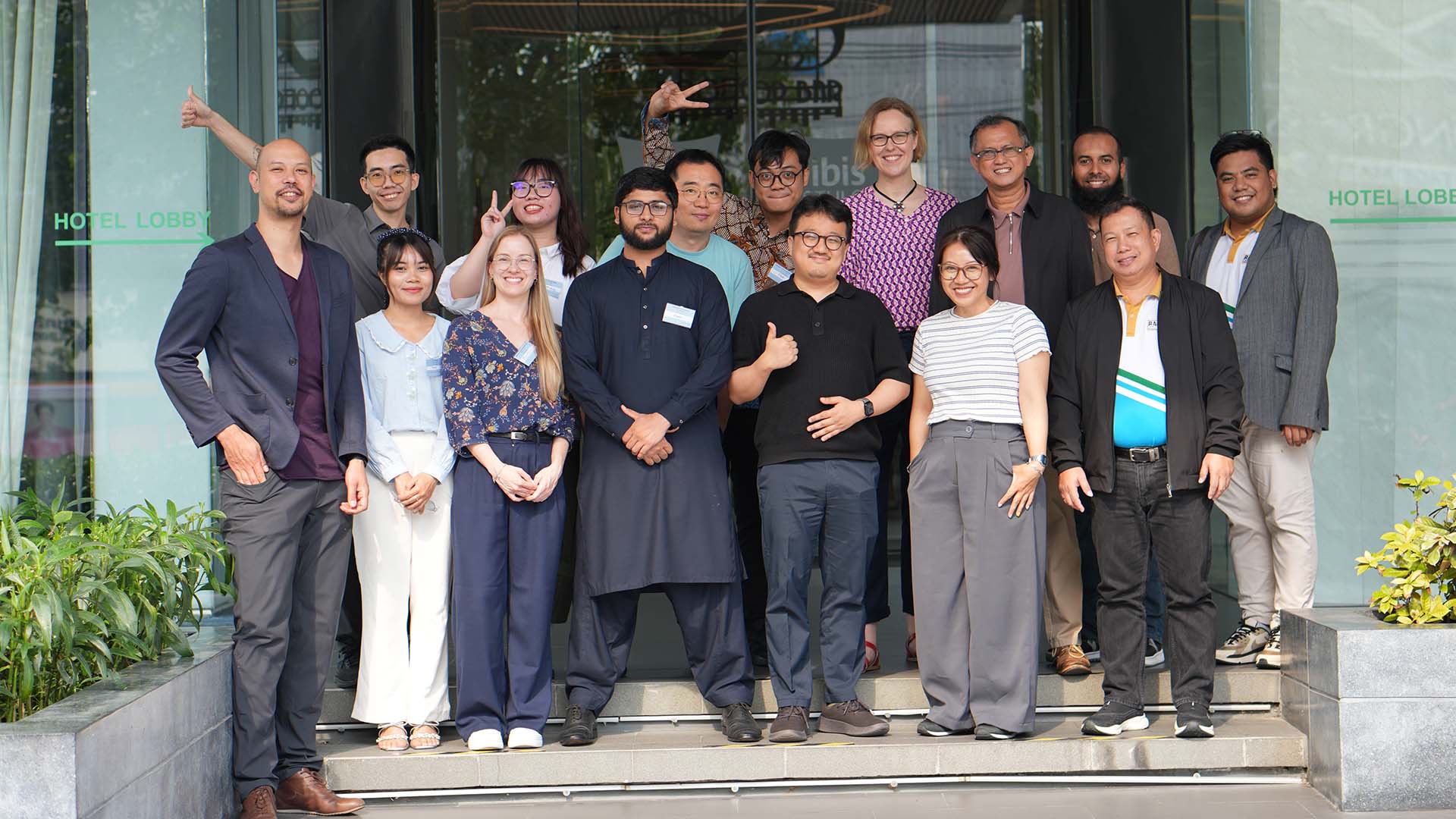
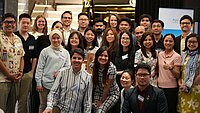
Train the Trainer, Bangkok 2025 | Photo: Intan Cinditiara
-
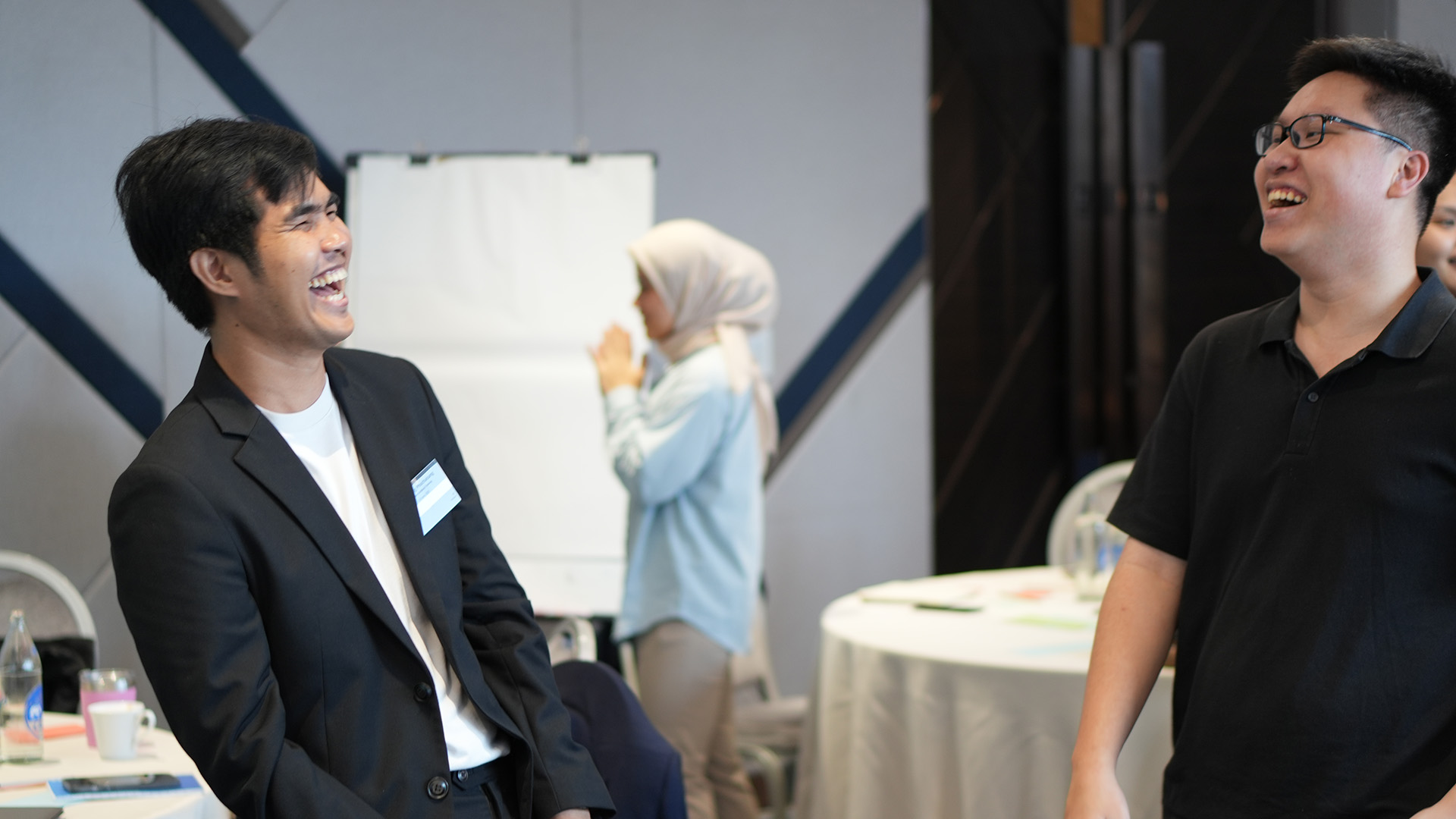
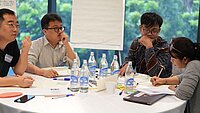
Breaking the Gridlock, Bangkok 2025 | Photo: Intan Cinditiara
-
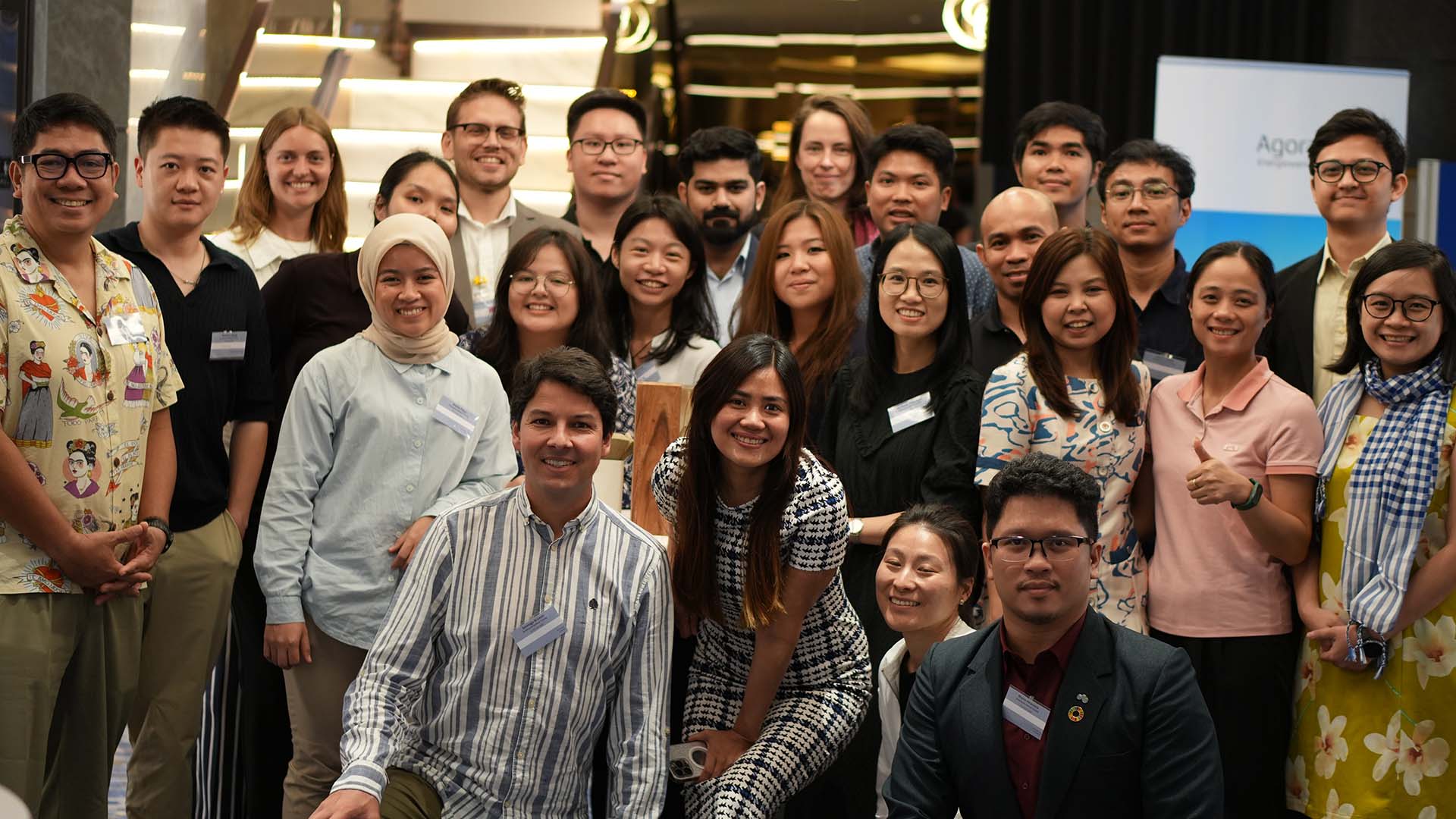
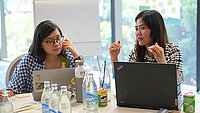
Breaking the Gridlock, Bangkok 2025 | Photo: Intan Cinditiara
-
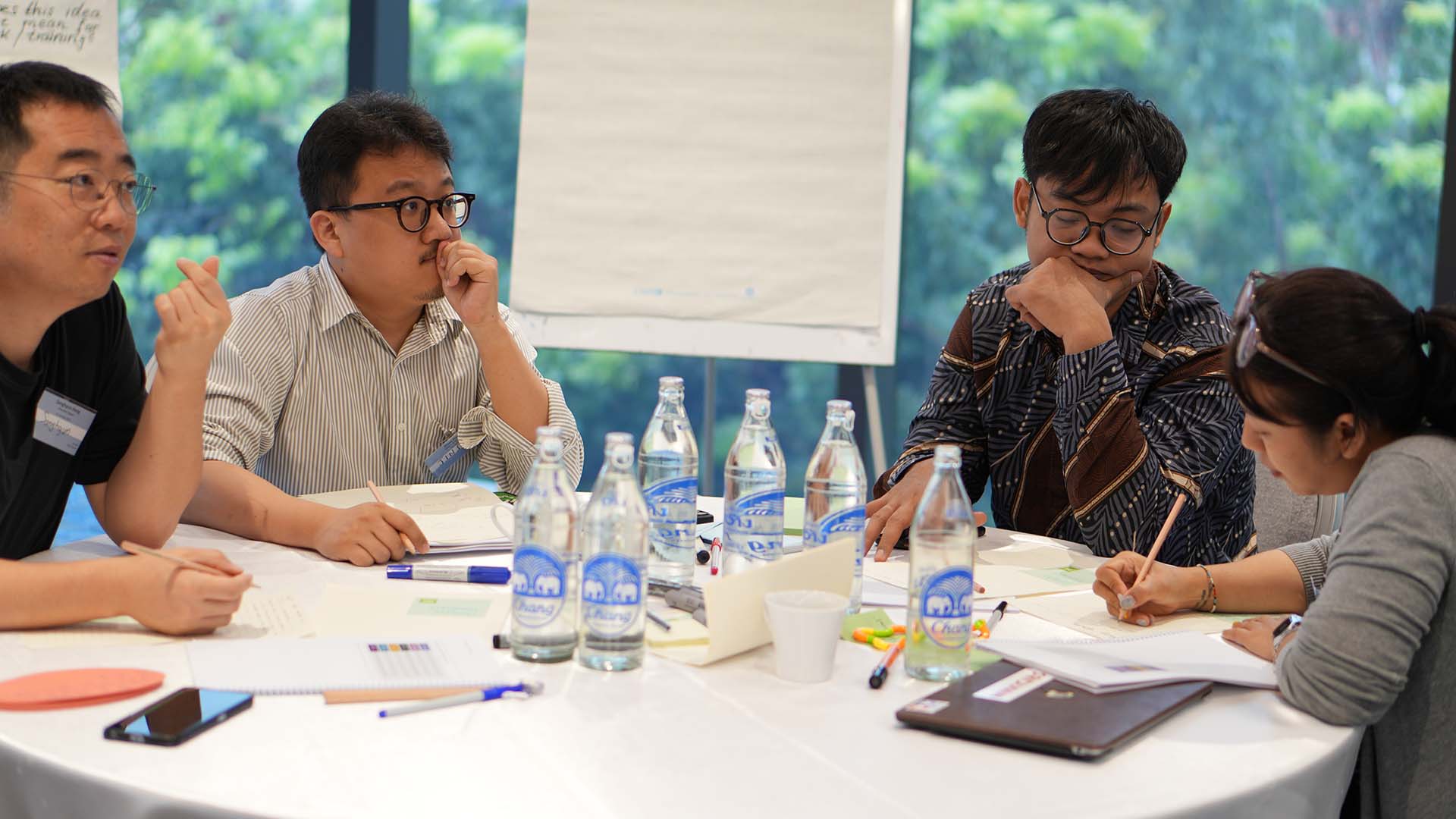
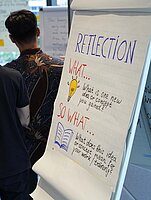
Train the Trainer, Bangkok 2025 | Photo: Intan Cinditiara
-
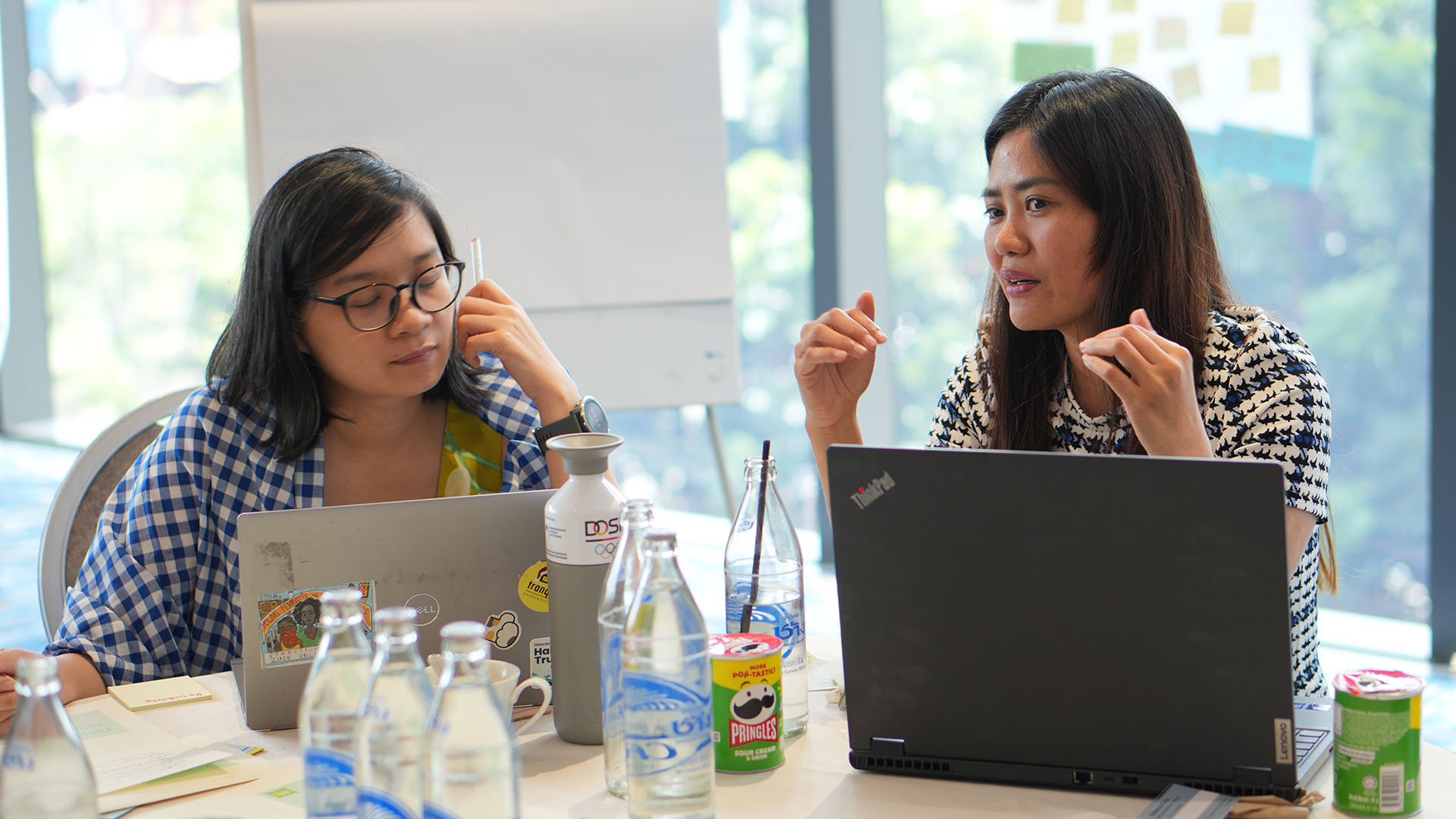
Train the Trainer, Bangkok 2025 | Photo: Intan Cinditiara
-
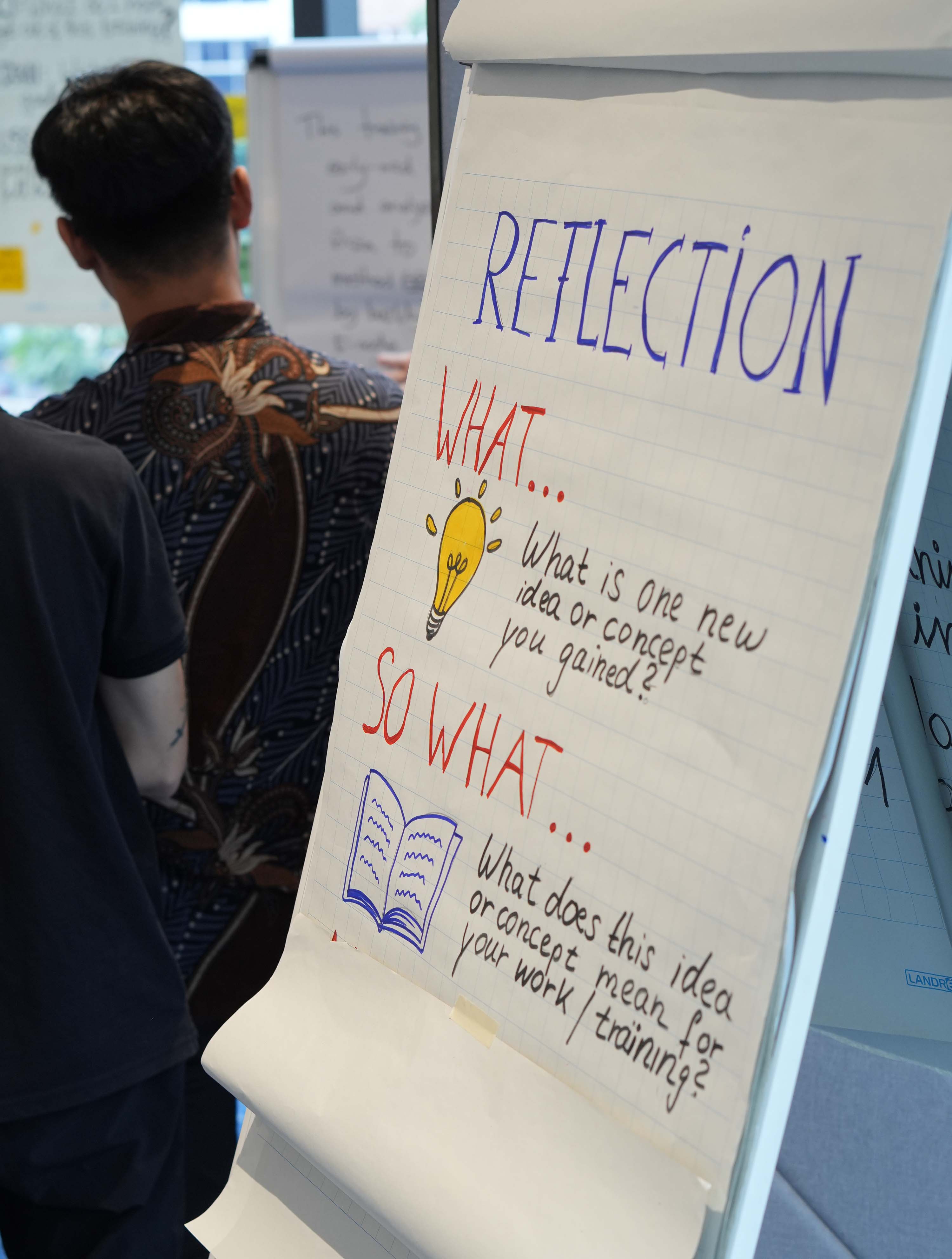
Train the Trainer, Bangkok 2025 | Photo: Intan Cinditiara
Dear Training Alumni,
We’re already halfway through 2025, with renewed momentum and exciting milestones – from energising Train-the-Trainer workshops to deep dives into grid integration and industrial decarbonisation. And there’s more ahead: applications are now open for our brand-new Electricity Market Designs Training for the South, Southeast and East Asian (SEEA) contexts. Don’t miss your chance to apply before 28 July. Plus, our Industry Transformation training pilot is planned for this September for partners from across the International Network of Energy Transition Think Tanks (INETTT). Even more learning opportunities are also on the horizon, and we’re thrilled to continue growing this community with you. As always, your energy and impact fuel everything we do.
With gratitude,
Henrike, Martha, Caro & Ulrike
Your Training Team

Training News & Highlights
An overview of what happened and what lies ahead:
May
- Our Train-the-Trainer programme took place for a second time! Over the three days, 12 participants from think tanks in the SEEA region learned to design impactful learning formats and they:
☑️ Defined target groups by developing detailed personas and addressing real needs
☑️ Experimented with hands-on, interactive tools
☑️ Crafted impactful sessions that inform, involve and inspire action
☑️ Drafted a training concept tailored to a specific audience and with clear objectives
June
- Our successful three-day Breaking the Gridlock training in Bangkok also returned for its second round. We had the pleasure of hosting two cohorts, bringing together around 40 energy professionals from think tanks, non-governmental and civil society organisations from across SEEA. Together, we explored the urgent challenges of integrating variable renewable energy into power systems and the strategies needed to modernise planning and operations for a successful energy transition.
September
- Together with our colleagues at Agora Industry, we’re launching a new training focused on industrial decarbonisation. The first cohort, open exclusively to INETTT members, has already been selected, and we’re currently crafting the curriculum. This round will include a lot of peer-to-peer exchange and participant-driven input to strengthen collaboration and learning from real-world experience from the INETTT community.
- Interested in joining next time?
We’ll open the call for applications for the second round, taking place in the first half of 2026, towards the end of this year. To stay informed, follow us on LinkedIn or subscribe to our Learning Opportunities newsletter.
October
- Are you interested in learning more about electricity market designs? Are you based in South, Southeast or East Asia? Then check out the call for applications for our new Market Designs Training for the SEEA context! Deadline to apply is 28 July 2025. The training aims to equip participants with a solid understanding of market fundamentals, the challenges of integrating wind and solar and effective policy and market approaches for supporting renewables in diverse regulatory environments.

Call to Action
- We need you! We’d love to feature your alumni impact stories in our newsletter and on our website. What’s one big (or small) milestone you have achieved thanks to our training? Share your story in a quick 20-minute interview with us – reach out to info(at)agora-training(dot)org and let us know if you’d like to take part.
- What topics should we cover next? As we expand our training portfolio, we want to make sure we’re addressing the real challenges you face. Let us know what skills or knowledge would be most valuable to you – let us know at info(at)agora-training(dot)org.
- Do you have an inspiring initiative or report to share? We’d love to amplify your work within our network. Let us know if you’d like to be featured in an upcoming edition by contacting info(at)agora-training(dot)org.

Alumni Spotlight

Sharon Seah
In this edition’s Alumni Spotlight, we speak with Sharon Seah, Senior Fellow and Coordinator of the Climate Change in Southeast Asia Programme at the ISEAS – Yusof Ishak Institute in Singapore. Sharon shares insights into her current work on regional energy integration, the complexities of cross-border electricity trade, and why Singapore’s clean energy future relies on cooperation with its neighbours. She also reflects on her experience at our “Breaking the Gridlock” training in Bangkok, how it enhances her social science perspective, and what keeps her motivated as she begins her PhD on ASEAN regional cooperation.
Agora Training: You work at the ISEAS – Yusof Ishak Institute. Can you tell us a bit about what your organisation does and its mission?
Sharon: Sure! We’re the ISEAS – Yusof Ishak Institute, which used to be called the Institute of Southeast Asian Studies. We added “Yusof Ishak” in honour of Singapore’s first president. The institute’s been around since 1968 and is one of the oldest research institutions in the country. Our entire focus is on Southeast Asia’s politics, economy, society and culture. The idea is to produce research that really helps people understand what is happening in the region.
I coordinate the Climate Change in Southeast Asia Programme. It’s a pretty young programme we kicked off just five years ago, but climate change is becoming such a defining issue for the region that we knew we had to dig in. We want to help governments, businesses and the public better understand how Southeast Asian countries are responding and where the biggest challenges lie.
Singapore, for instance, is what we call “alternative energy disadvantaged”. We’ve done a lot with solar, but even if we covered the whole island with panels, we’d only meet about 10 percent of our electricity needs. Wind isn’t really an option either. So, importing low-carbon electricity from our neighbours – Vietnam, Cambodia, Indonesia, Malaysia – is key. That’s where a lot of our work on regional energy interconnectivity comes in.
Agora Training: You joined us last year in Bangkok for the “Breaking the Gridlock” training. What were your biggest takeaways from the three days, and how have you applied them in your work since?
Sharon: ASEAN’s been dreaming of an ASEAN Power Grid for over 30 years, but progress has been pretty slow: only about half of the original interconnections are up and running. Now there's new momentum, and Singapore is right in the middle of it.
That’s why the training came at the perfect time. It helped me wrap my head around the technicalities – grid harmonisation, cadence, balancing out intermittency, maintenance – all the bits that social scientists like me usually don’t get into! It was such a good foundation and gave me a better understanding of what we’re writing about in our research.
People often assume regional electricity trade is just about connecting cables between countries. But the reality is way more complex. Different countries have different electricity markets. Some are still under a single-buyer model, others are fully liberalised like Singapore. Aligning everything, both technically and regulatorily, is a huge challenge.
One of the biggest takeaways for me was realising that even if we solve all the technical issues, nothing moves without political will. That came out so clearly in the group discussions. Everyone kept circling back to it, no matter their background.
Agora Training: As the Coordinator of Climate Change in the Southeast Asia Programme, what are some projects you’re currently working on that excite you the most?
Sharon: One big project is the Laos-Thailand-Malaysia-Singapore Power Integration Project (LTMS). It kicked off in 2022 and moves electricity through legacy grids that go back to the ’50s and ’60s. These older systems can’t easily handle today’s more variable renewable sources, which makes things a lot more complicated.
Malaysia is chairing ASEAN this year, and there’s real energy around pushing the shared power grid idea forward. Countries are trying to agree on a common set of principles: how do we bring in investments, how do we handle disputes, how do we make the whole system work better together? Of course, not everyone sees it the same way. For some countries, energy is still a national security issue, so letting in foreign investors is tricky. But overall, the political will is there, and that’s really encouraging.
Academia has a big role to play here too. We can offer ideas, bring in lessons from other regions like Europe or Africa, and help shape the conversation with real-world examples.
Agora Training: Do you remember your first spark: when you became interested in energy or climate issues? What inspired you, and what keeps you going?
Sharon: Yes, vividly! I went to my first COP about seven years ago, and honestly, I left feeling quite disillusioned. It felt like thousands of delegates flying into one place, talking a lot, making big announcements… but with no real accountability for what actually happens after.
That was my turning point, when I decided to focus on Southeast Asia. Energy is the lowest-hanging fruit here, with the biggest impact potential. The region is growing fast, our energy demand is exploding. Unless we act quickly, our emissions will too.
What really keeps me motivated is working with young people. I give a lot of talks to schools, and they’re passionate about being part of the solution. But if we don’t show them results, they’re going to lose hope. Some already say they’re not having kids because they think there’s no future. That’s heartbreaking. We have already lost so much time fighting climate denial. Now it’s time to focus and push forward.
Agora Training: What’s next for you or the programme? Any exciting plans on the horizon?
Sharon: We’ve mapped out three big areas for the next phase. First, governance, where we’re comparing what countries say in their Nationally Determined Contributions (NDCs) and long-term plans with what they’re actually doing. Only Singapore has submitted its second NDC so far, but we’re watching the others closely.
Second, we’ve been running a public opinion survey across ten countries since 2019. It asks things like: how do citizens rate their government’s climate efforts? Do they support carbon taxes? Who do they think should lead on climate action? We’re pulling together five years of data now into one big trend report, which has become a flagship resource that NGOs and civil society groups use to push for change in their countries.
And third, we’re exploring agriculture, forestry and food systems. Land use is a huge contributor to emissions in Southeast Asia so we’re looking at how to shift to a more sustainable, decarbonised agri-food system.
On top of that, I’ve just started my PhD! I’m looking into what drives ASEAN integration and where the limits to cooperation lie. While not climate-specific, those insights apply to energy too. If we can better understand how collaboration works in this region, we can make smarter decisions around things like energy connectivity and cross-border infrastructure.

What we're reading and listening to
- Our partners E+ in Brazil together with John Hopkins University have just published a policy paper “Powershoring in the Global South: unlocking green industrial potential”, exploring opportunities to strategically position energy-abundant economies in the Global South in low-carbon value chains.
- Looking for a good overview of the most effective use cases for hydrogen? Check out Agora Industry’s recently published slide deck with key considerations for hydrogen uses in industry, transport and power.
- The Think Tank Toolbox by the ThinkTank Lab offers a diverse range of tools and learning resources for topics, such as “Policy & Stakeholder Analysis” and “Impact & Evaluation” – we often get inspired by their tools. Go check out the latest developments in good think-tanking practice!
- Interested in learning more about South Africa’s fast-growing green economy? Check out Green Cape’s 2025 Market Intelligence Reports which focus on three high-impact sectors driving the energy transition: large-scale renewable energy, energy services and electric vehicles.
- Looking for data on India’s energy sector? Check out India’s Energy Overview by Vasudha Foundation. It’s an extensive overview of data on a broad range of energy parameters produced every month and year.
- In their flagship report World Energy Investment 2025, the International Energy Agency provides a full update on the investment landscape in 2024 and an initial reading of the emerging picture for 2025.

Other Opportunities
- Are you data-savvy and looking for a new challenge? Our partners at Renewables First in Pakistan have two open positions in their data analytics department.
- Alumnis from Latin America listen up! Our partner at IDEA is looking for a Investigador para Análisis, Modelación y Planeación del Sector Eléctrico to join their team.
- The Florence School of Regulation offers a huge range of courses at different levels of expertise. Currently you can apply for the online course “Getting to Net-Zero”. Over eight weeks, participants will be introduced to the big picture and then deep-dive at the sectoral level: energy, industry, transport and buildings. You can also explore their extensive training website for more opportunities to learn and grow.
- Female alumni in the hydrogen space, listen up! Building your professional network is important – the Women in Green Hydrogen (WiGH) network is active across the globe with various events and mentoring opportunities.
- If you’ve always wanted to get a foot into philanthropy , take a peek at the vacancies at the European Climate Foundation.
Our Training Alumni
The Training Alumni Network provides a platform to bring together over 290 graduates (and counting) from our trainings. With a vision to foster a flourishing ecosystem of climate and energy experts, the network aims to allow alumni connect and exchange resources, knowledge and lessons learned in a multitude of formats to advance the clean-energy transition and climate-neutral industry around the world.
Activities of the network include peer review and research outputs, advocacy, outreach, and authorship in the name of the Alumni Network, global and regional network meetings, internal network communication approaches and trainings, workshops, and thematic events. Past activities include communications and thematic webinars on current topics, in-person and virtual Network Meetings and communications trainings.