EnerTracks Alumni Newsletter - 09/2024
EnerTracks Alumni Newsletter - 09/2024
Training climate and energy transformation experts for tomorrow

Impressions
-
Photo: Susanne Liebsch
-
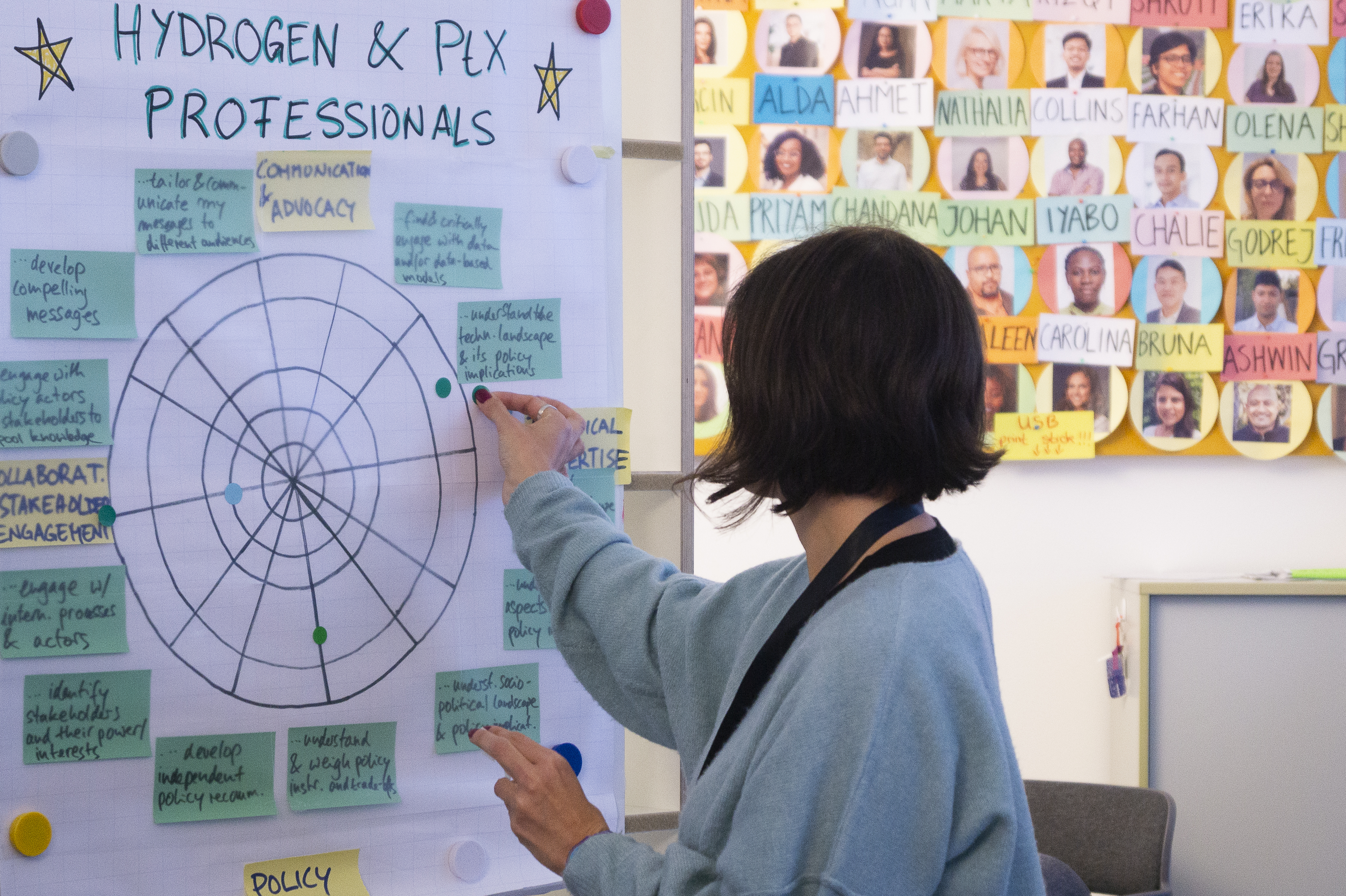
Photo: Susanne Liebsch
-
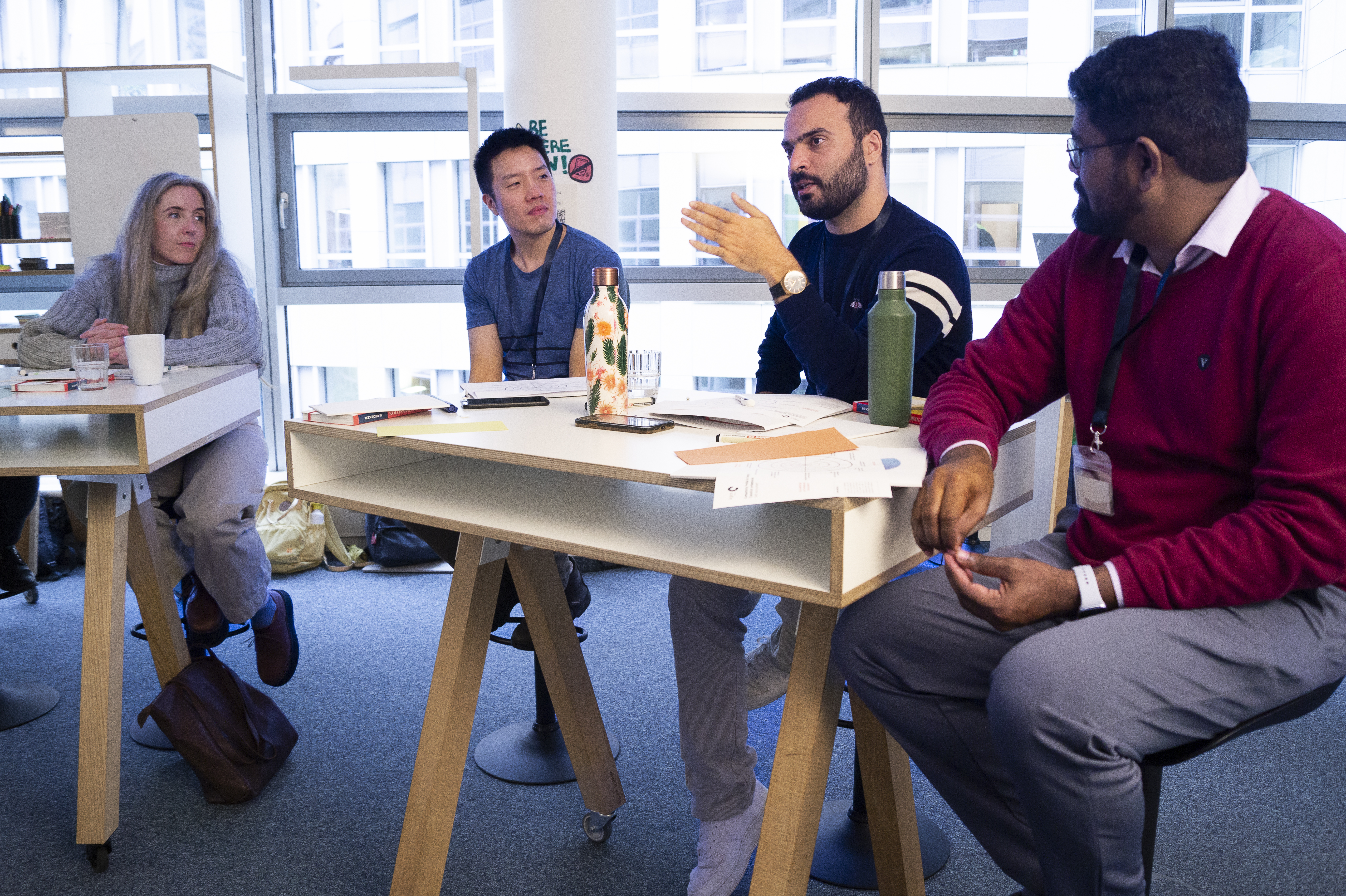
Photo: Susanne Liebsch
Dear Alumni,
As we are entering fall in Berlin, we are busy as ever developing new training formats on and off the screen. In that context, we are happy to announce that the call for applications for our new online training on Unlocking Net-Zero Steel is now open until 29 September. The 3-day training is aimed at professionals in Southeast Asia and will equip participants to assess the importance of steel sector transformation for broader climate goals next to many other key insights on the path of decarbonizing the steel sector. And the best part ‒ it was developed by our Fellowship alumna and latest addition to the Agora Industry team Kajol. Find more information here.
Meanwhile, our Southeast and East Asia and Hydrogen teams will kick-off a 3-day training on Fossil Fuel Phase out in Bangkok in October. Lastly, as we find it incredibly important to train future trainers in delivering engaging and interactive formats that make content stick, we are developing a new Training-of-trainers format which will also be piloted in October with partners in Southeast and East Asia.
Enjoy diving into this newsletter ‒ we hope it sparks new ideas and fuels your passion for what's ahead!
With gratitude,
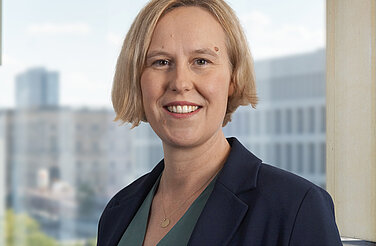
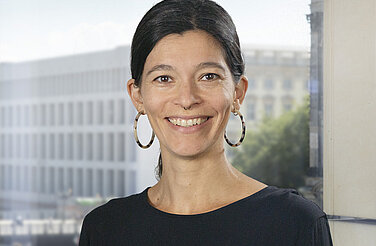
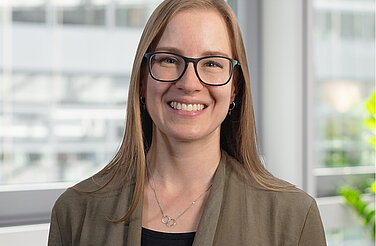
Your Training Team: Henrike, Martha, Ema & Ulrike

Training News & Highlights
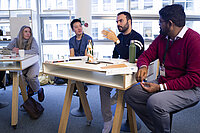
September - The final Hydrogen & PtX Training is taking place in Berlin! Over two weeks, participants will dive into the technological, political, and economic aspects of hydrogen, map their country’s policy landscape, and develop tailored recommendations—emerging as future leaders in their country's energy transition.
October - We are developing our first ever training to train future trainers. A lot of training, right? We love that! This training will be piloted as a 3-day in-person format in Bangkok with partner organisations from the region.
Our Southeast Asia colleagues teamed up with our Hydrogen colleagues in Berlin to co-create the three-day training Powering the transition: Understanding the role of renewable energy, hydrogen and electrification in phasing out fossil fuels also piloted this October. During a packed full three days, participants will learn to identify the importance of renewable energy deployment as the primary strategy for decarbonisation, supporting electrification and the development of a renewable hydrogen economy amongst many other topics. The cohort for this has already been selected.
The first of two cohorts for the online training on Unlocking Net-Zero Steel will take place end of October – a real trial by fire that is making us remember the online Study Tour-days! Interested to join? Check out the details here and apply!
November - The second online training on Unlocking Net-Zero Steel will take place mid-November.

Call to action
For all our Alumni in SEEA: We are pleased to announce the open call for applications for our upcoming 3-day online training on Unlocking Net-Zero Steel: Equipping Southeast Asia’s NGOs, Think Tanks, and Research Institutes for Effective Action, hosted by Agora Industry from the Agora Think Tanks!
Participants of the 3-day online training will be able to explain the role of steel sector transformation in achieving climate goals as well as demonstrating the potential for a net-zero steel sector in their country, just to name a few topics.
The training programme is open to applicants in Vietnam, Malaysia, Indonesia, the Philippines, and Thailand currently employed by or affiliated with think-tanks, non-governmental, or civil society organisations working directly on industry energy management, or industry transition or decarbonisation.
If this sounds like a good match to you – go hit the apply button.
Please, feel free to spread the word among your networks!

Alumni Spotlight

Kajol
Institutional Affiliation: Agora Industry
Team Training: What is the first thing you remember when you think of the Fellowship you did in 2020 at Agora?
Kajol: One of the best things about my experience was the office location and its vibrant atmosphere. The office had a great view, and we often shared the space with colleagues who brought their pets, creating a welcoming environment. We also had fun traditions, like snack days with chocolates on Tuesdays and "Thank God It's Friday" gatherings with drinks and snacks. My six-week experience was filled with intense learning but offered flexibility to work on my chosen project and network with like-minded individuals, including speakers, fellows, and experts from various sectors like wind energy and organizations working on the coal phase-out. I remember the fellowship as a well-planned and engaging experience.
Team Training: In January, you joined the Agora Industry team to work on climate-neutral industry in Southeast Asia. What have you been working on since you joined Agora?
My current focus is on advancing climate neutrality in Southeast Asia's industrial sector. After five years of working in the energy sector within the region, Agora is now expanding to address key industries like steel, aligning their targets with national and international sustainability goals.
While our previous work was primarily EU-focused, we're now shifting to a broader, international perspective. Given Southeast Asia's heavy reliance on fossil fuels, we are analysing how to promote low-carbon technologies and develop strategies tailored specifically to the region. Our initial focus is on decarbonizing the steel sector, but we plan to expand to other energy-intensive industry sector as well.
To achieve this, I am actively engaging with stakeholders, including industry associations, NGOs, and think tanks, to build a collaborative community working towards climate neutrality. Our upcoming online training on green steel will provide insights into unlocking a net-zero steel sector and promoting sustainable practices.
Team Training: You mentioned it: you’re currently developing an online training on Green Steel. Could you share more about this project and what you hope it will achieve?
Yes, this is very exciting. This project and the training are part of a larger initiative focused on transforming the steel sector in Southeast Asia. Currently, the region heavily relies on fossil fuel for its steel production, with substantial investments still going into conventional, fossil fuel-based technologies like blast furnaces. With steel consumption showing an upward trend there is an urgent need to align regional strategies with global climate targets, particularly the 1.5-degree climate neutrality goal.
We realized that despite its importance and the quickly closing strategic window, so far very little advocacy work is being done on decarbonizing the steel industry in the region. It is still a novel topic for many organisations, and we see a need for raising awareness on what’s already possible technologically and what the potential economic and other benefits of a transition to green steel are.
To bridge this gap and harness NGOs/civil society organizations in Southeast Asia to advocate for impactful regulations and policies, I’ve been working closely with the Training Team to develop an interactive training program which we think can really move the needle!
We are piloting it for Southeast Asia, but I hope we’ll be able to also role it out for participants from other regions in the future.
Team Training: Looking at present and future, what is the difference that you want to make with your work?
There isn't just one focus for our work; we're tackling multiple challenges in Southeast Asia's energy-intensive industries. Our efforts include mapping out these industries, engaging stakeholders, monitoring consumption, and analysing policies. We need all hands-on deck so the goal is to build an ecosystem that supports climate-neutral industries, which requires immediate action.
Our aim is to empower local and regional think tanks, especially in smaller countries, to amplify their voices alongside larger nations like China and India. These smaller countries often struggle to be heard, so we want to create a platform where they can collaborate and advocate for industrial transition and climate goals.
This project seeks to provide opportunities for local communities and businesses, ensuring that no one is left behind during the green transition. It's crucial that these nations not only participate in regional discussions but also have a voice in global conversations about climate finance, just transition and resilience. The goal is to help vulnerable countries, which face significant climate risks, gain the support they need for a sustainable future.
Personally, I am focusing on learning more about the Southeast Asia region, being more vulnerable to climate change. I am dedicated to making a meaningful impact in the fast-industrialising countries to address climate challenges in the region, which is an exciting opportunity for me.

What we're reading and listening to
Countries often claim they will reduce their greenhouse gas emissions, but these declarations do not guarantee the effectiveness of their policies. Stechemesser et al. analyzed 1,500 climate policies implemented over the past 25 years and identified the 63 most successful ones, including some that involved lesser-known policies and unexpected combinations. This study highlights the types of policy actions required to close emissions gaps across different economic sectors.
Read through “The Global Gas & Oil Network (GGON)” website, brought to life by non-governmental organizations around the world that are working to advance a climate safe and just transition off oil and gas production. It offers news, resources, and analysis for policymakers, advocates, researchers and campaigners alike. You can also sign up to their newsletter to get the latest developments right into your inbox.
Interested in learning more about renewable financing mechanism? One of our Alumni over at Renewables First in Pakistan just published a report “A stocktake of Renewable Energy Finance for Pakistan”. It provides a comprehensive overview of renewable energy investments in Pakistan and examines the key stakeholders involved as well as the existing regulatory framework that supports the sector. The report also highlights the major challenges faced in attracting additional investments and proposes innovative financial instruments that can be utilized to address these challenges. An interesting read, also if you’re not from Pakistan yourself!
Designing practical solutions to the world’s most pressing problems can be tough. The organization “Regulatory Assistance Project” (RAP), a global NGO advancing policy innovation and thought leadership within the energy community has an entire page dedicated to this - the “Policy Tool Box” offers guides, models and interactive simulations to help policymakers do a good job in designing practical solutions. Go get inspired!

Opportunities
Interested in learning more on Just Transitions? Then join the 14-week Joint Modules on “Building a Sustainable Future: Essential Dialogues for Just Transitions” organized by the ’Transnational Centre for Just Transitions in Energy, Climate & Sustainability’ (TRAJECTS). The sessions sound amazing and you can complete the tasks in your own time. You can still register until 16th October 2024.
Are you working academically or practically in climate protection or climate-relevant resource conservation in your country of origin – a non-European developing or transition country? Then the International Climate Protection Fellowship from the Humboldt Foundation in Berlin is for you! Check out the application procedure how eligibility criteria here.
The World Resources Institute has various open job positions across the globe. From Washington DC to Mumbai, India there are plenty of opportunities to select from. How about becoming the manager for the World Resources Institute (WRI) “Corporate climate action and industry decarbonization” project under the climate program in India?
Our Training Alumni
The Training Alumni Network provides a platform to bring together over 150 graduates (and counting) from our trainings. With a vision to foster a flourishing ecosystem of climate and energy experts, the network aims to allow alumni connect and exchange resources, knowledge and lessons learned in a multitude of formats to advance the clean-energy transition and climate-neutral industry around the world.
Activities of the network include peer review and research outputs, advocacy, outreach, and authorship in the name of the Alumni Network, global and regional network meetings, internal network communication approaches and trainings, workshops, and thematic events. Past activities include communications and thematic webinars on current topics, in-person and virtual Network Meetings and communications trainings.