Training Alumni Newsletter - 06/2026
Training Alumni Newsletter - 06/2026
Training climate and energy transformation experts for tomorrow

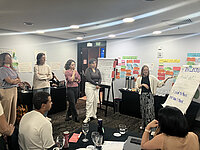
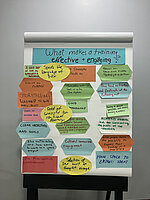
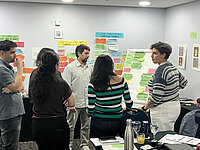
Impressions
-
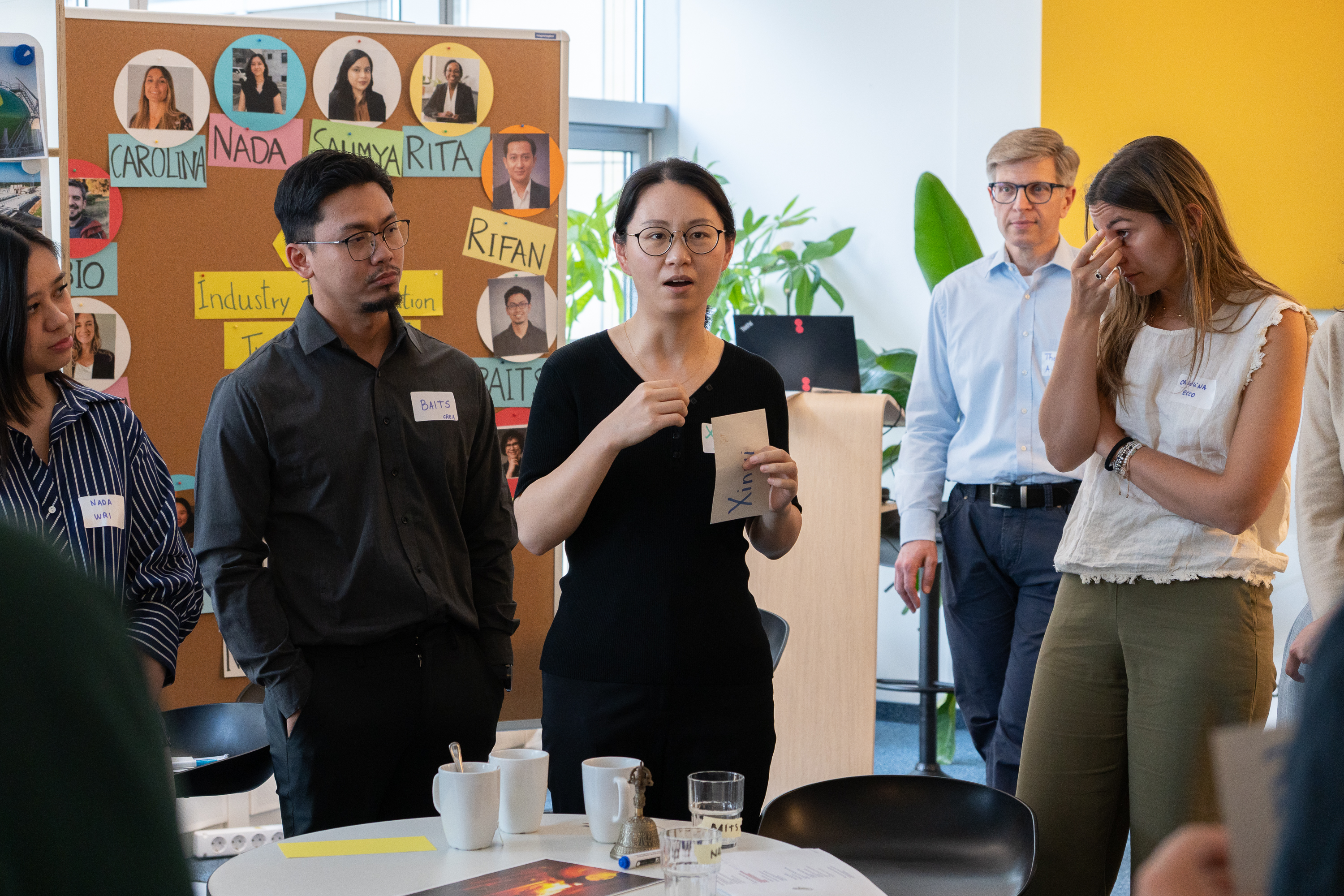
Photo: Susanne Liebsch
-
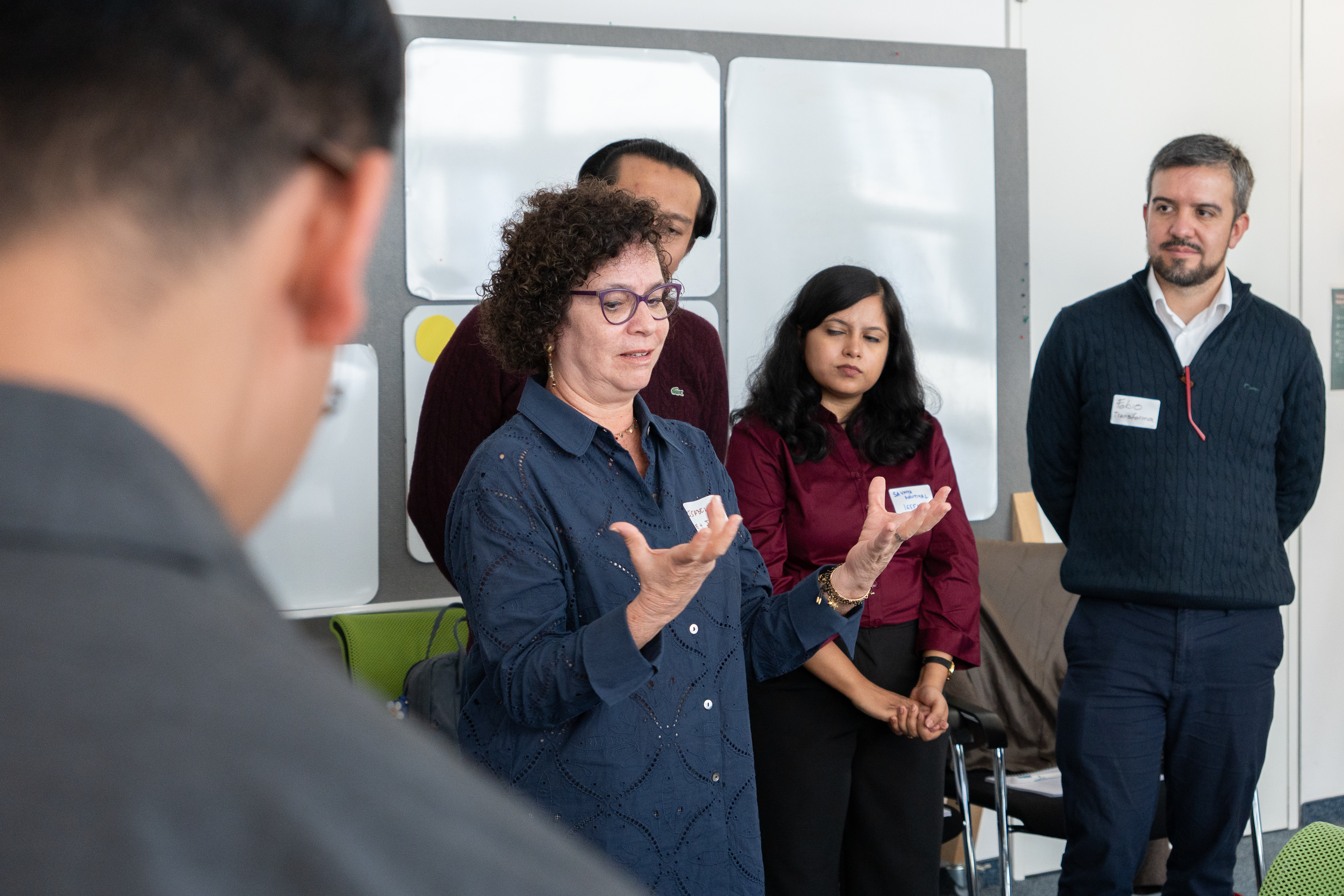
Photo: Susanne Liebsch
-
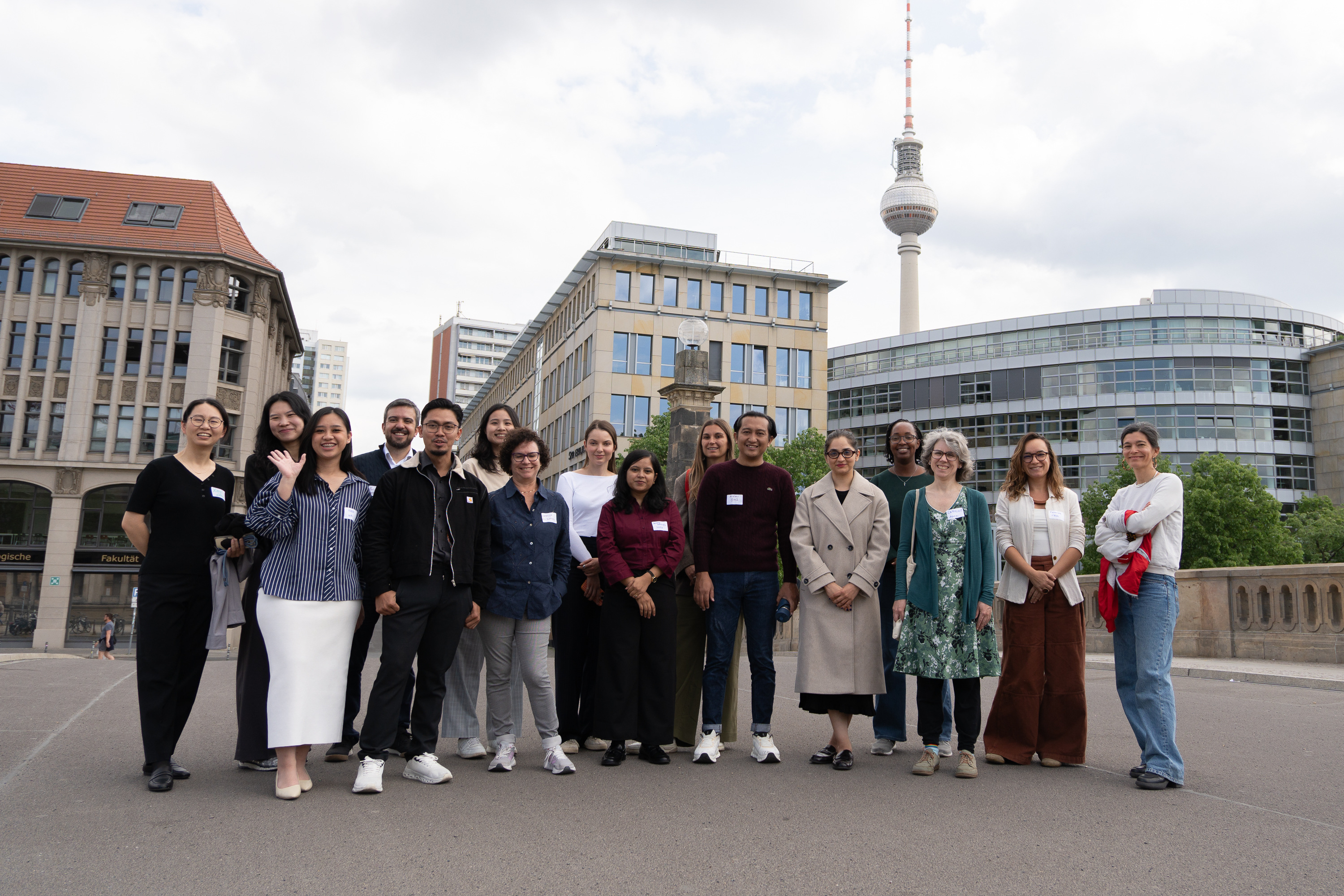
Photo: Susanne Liebsch
-
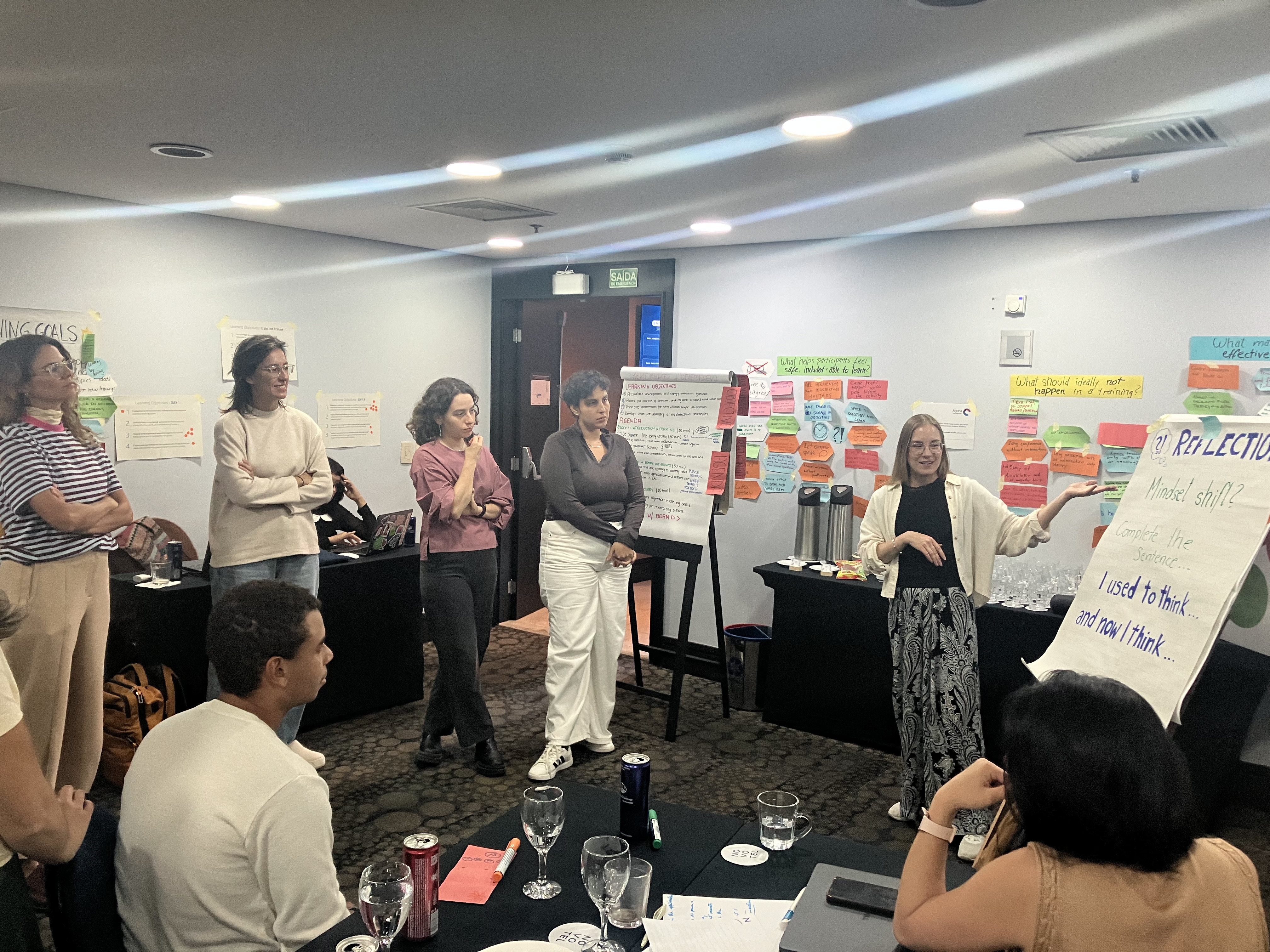
Photo: Ema Jülich
-
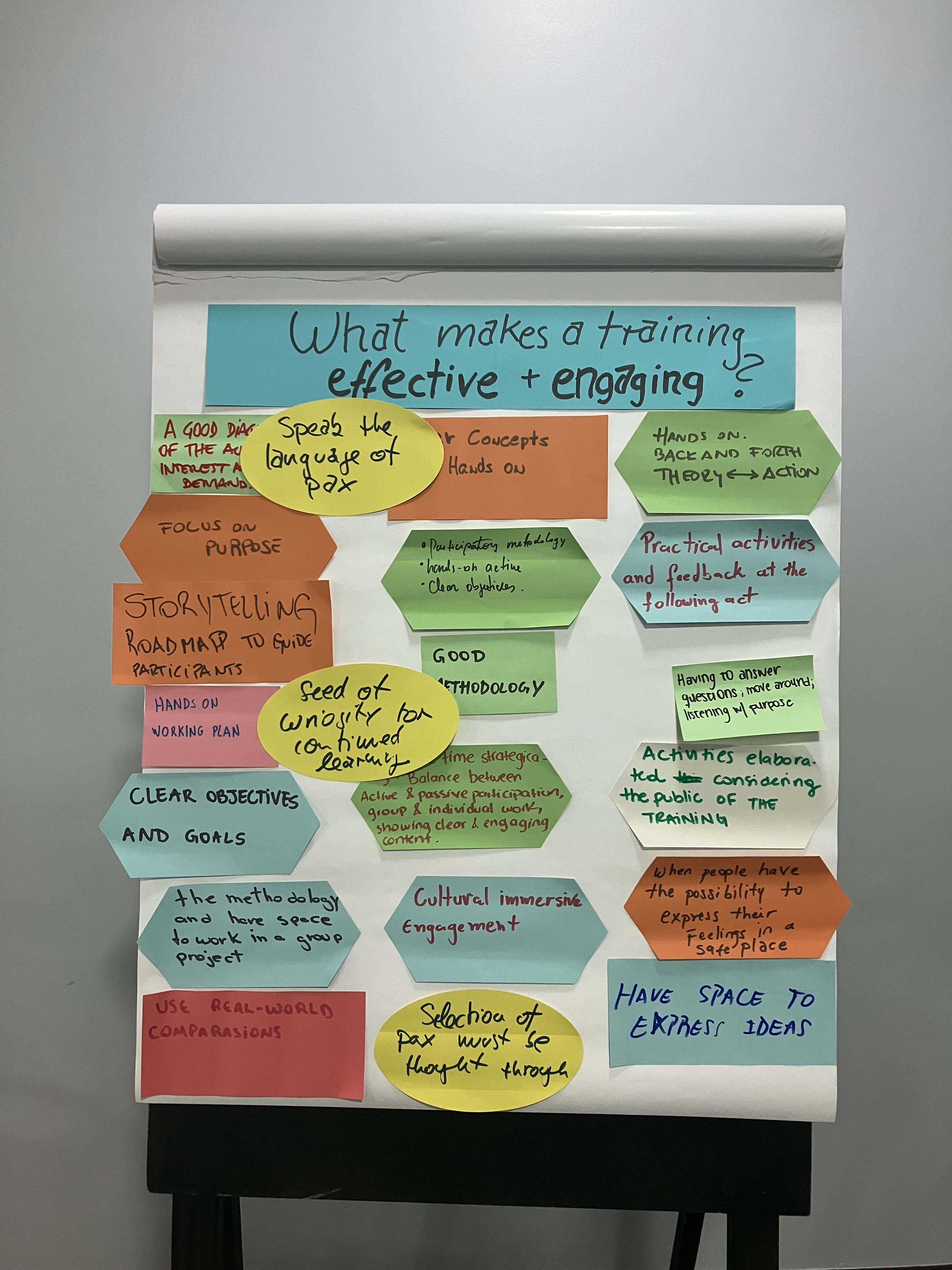
Photo: Ema Jülich
-
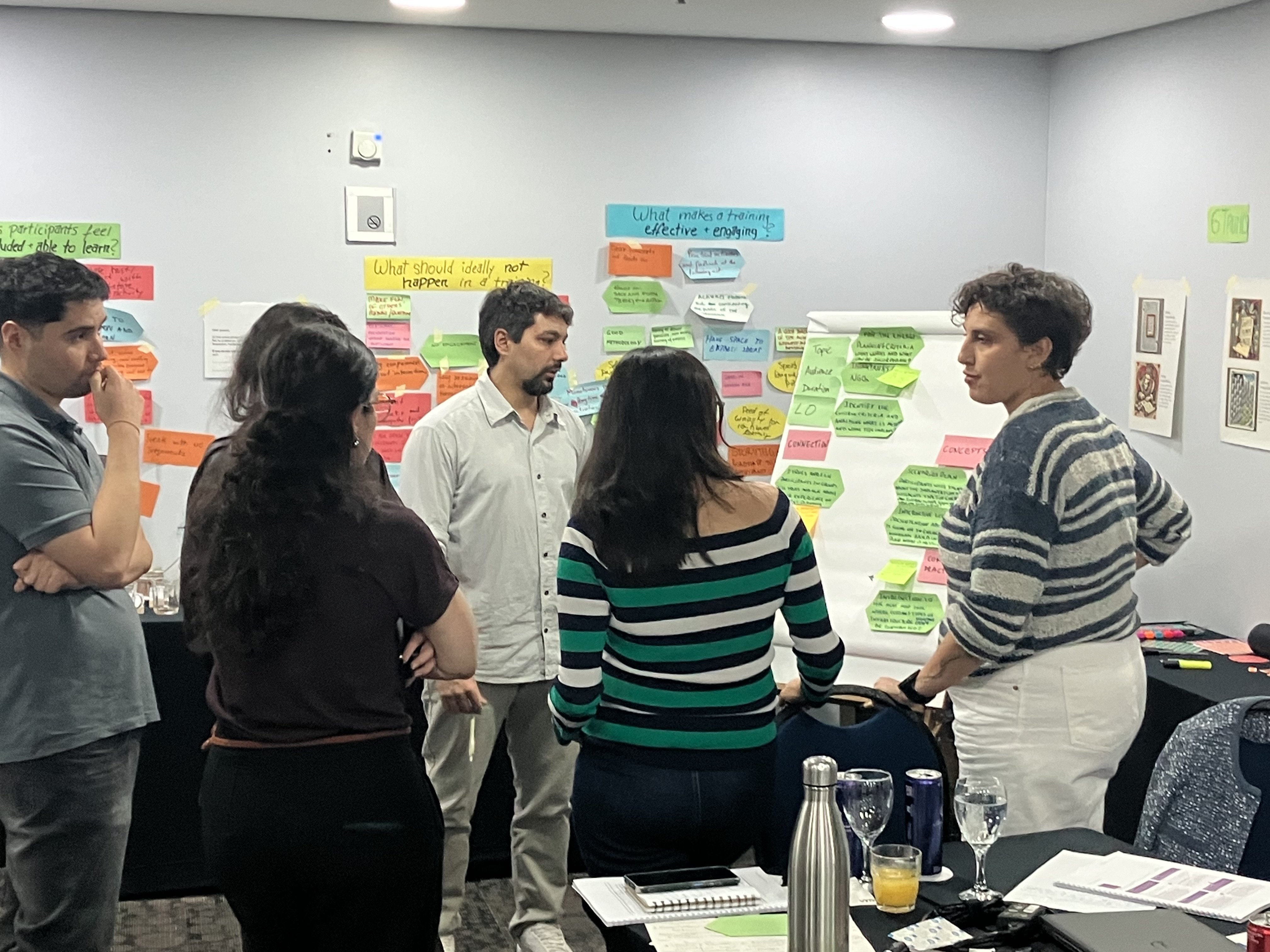
Photo: Ema Jülich
Dear Agora Training Alumni,
Welcome to our latest newsletter this year, where we’re happy to share updates from the past months and give you a glimpse of what’s ahead for our growing learning community.
The training team has had a busy and energising start to the year.Our new multi-year training project, supported by the International Climate Initiative (IKI) has officially launched! Together with several partners, we’ve begun the first activities under this project, including an internal Train the Trainer workshop for our trainers to further strengthen our collective expertise and learning approaches.
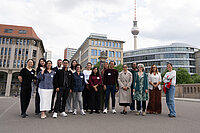
We’ve also just concluded two successful trainings:our second iteration of the Industry Transformation Training brought together a dynamic cohort from around the world, where we piloted our first Design Thinking workshop tailored to industrial transformation. We also completed the Train-the-Trainer programme for ecosystem partners in Latin America, designed to strengthen facilitation and training capacities across the region.
As always, it’s inspiring to see our alumni community grow and apply insights from our trainings to different contexts worldwide. We’d also like to use this opportunity to give a warm welcome to our new student assistant Camila who is now onboard in our training world.
With gratitude,
Your Agora Training Team

Training News & Highlights
An overview of what’s happened in the last months and what lies ahead for the second half of 2026
April
- Launched our IKI Training grant activities with an internal Train-the-Trainer workshop, equipping our experts with the latest facilitation tools and learner-centered design methods.
May
- Successfully concluded the second Industry Transformation Training, featuring new Design Labs where participants worked through real-world industry decarbonisation challenges from their contexts.
- Held our first IKI Training Project Train-the-Trainer workshop with our partner E+ in Brazil, strengthening training capacities across Latin America.
June
- Preparing for our third Train-the-Trainer workshop for partner organisations in Bangkok, running from 22–24 June. This workshop, now in its fourth iteration, continues to receive strong appreciation from our ecosystem partners, and we’re refining content and delivery based on previous feedback.
September
- Hosting the third in Bangkok, exclusively for INETTT partners to foster collaboration, peer-exchange and knowledge sharing on industry decarbonisation. We will give special emphasis to co-creating certain sessions together with selected participants.
Want to be the first to know about future trainings? Make sure you’re subscribed to our Learning Opportunities newsletter!

Call to Action
- You see a gap in skills or expertise in yourself or your professional networks? You have ideas for trainings? What topics feel most urgent or useful to you right now? As we develop new trainings, we want to make sure we’re addressing the real challenges you face. Get in touch and let us know!
Do you have an inspiring initiative or report to share? We’d love to amplify your work by featuring your impact story in our newsletter and on our website. What’s one big (or small) milestone you have achieved thanks to our training? Share your story in a quick 20-minute interview with us and we can work together on a short feature piece.
If you’d like to be involved in any of the above (sharing ideas for future trainings or highlighting your work), let us know by contacting info(at)agora-training(dot)org.

Alumni Spotlight
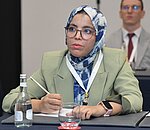
Zahra Ait Hssaine
In this edition, we hear from Zahra Ait Hssaine, researcher in renewable energy systems at IMAL – North Africa's first climate think tank. From modelling Morocco's distributed energy potential to shaping national coal phase-out policy, Zahra shares how evidence-based research is quietly but powerfully driving the continent's energy transition forward – and how two Agora trainings helped sharpen both her toolkit and her thinking.
Zahra Ait Hssaine | IMAL Morocco
In this edition’s Training Alumni Interview, we sit down with Zahra Ait Hssaine, researcher in renewable energy systems at the IMAL Initiative for Climate and Development. Follow along as she shares how IMAL is supporting the energy transition in Morocco and across Africa, and the growing role of data-driven energy modelling in their research. Zahra also reflects on how Agora’s Industry Transformation and PyPSA-Hydrogen trainings have impacted both her personal development and IMAL’s research approach, helping strengthen the organisation’s capacity to shape evidence-based energy policy.
1. You work with the IMAL Initiative for Climate and Development in Morocco. Can you give us an overview of IMAL’s mission and the most exciting projects you are working on right now?
IMAL is the first climate think tank in North Africa, and our mission is to support African and Arab countries in transitioning to a green economy while strengthening long-term resilience. Our work is organised around four main programmes: Green Economy; Resilience; Finance and Investment; and Diplomacy and Cooperation. Within the Green Economy Programme, which is structured around four key workstreams, I focus specifically on renewable energy systems, while the programme also addresses fossil fuel transition, critical minerals and circular industry, as well as grids, storage, and electric mobility.
One of the most exciting projects we are working on right now is Africa Integrates, a campaign we are launching at IMAL during 2026 to accelerate the adoption of distributed energy systems, across African countries. The campaign focuses on aligning policies, engaging stakeholders, and fostering collaboration to make DES deployment more effective and impactful.
In October 2025, we published Morocco’s first national study modelling the potential of distributed energy systems, combining rooftop solar, battery storage, smart monitoring and electric vehicles. The results were very promising. The study provides quantitative results on the potential of distributed renewable energy systems in Morocco by 2035. Now we are sharing these findings across Morocco’s 12 regions to help local stakeholders better understand the opportunities. For example, the national analysis shows strong opportunities for job creation linked to decentralized solar deployment: depending on the scenario, deploying between 8.57 GW and 28.58 GW of distributed renewable energy systems could create and sustain between 13,000 and 43,000 jobs in installation and project development by 2035.
Beyond Morocco, we are expanding this work to countries like Egypt, Senegal and Ghana. What excites me most is that this is not just research; we’re creating practical pathways for clean energy adoption across the continent.
2. Reflecting on the past year, is there a success or milestone that IMAL has achieved in shaping Morocco’s energy or industrial policy that you’re especially proud of?
I’m particularly proud IMAL’s research directly contributing to national energy policy discussions, including on Morocco’s NDC 3.0 and the phase-out of coal. Morocco has now set a target to phase out coal-fired power generation by 2040, conditional on international financial and technical support. For me, this is a powerful example of how strong, evidence-based research can shape real policy decisions, helping to build the strategy that will define Morocco’s energy future.
3. You completed two trainings with Agora in 2025. How have these experiences shaped your work at IMAL?
Both trainings were extremely valuable both for IMAL's trajectory and for me personally, and I want to thank Agora and INETTT for these opportunities.
Following the Industry Transformation Training in Mexico City, IMAL has developed a more strategic approach to industrial decarbonisation, with a new full-time research position dedicated to targeted analysis and policy recommendations on the topic. We are also restructuring our workstream on critical minerals and circular industry to align with global shifts toward more sustainable industrial systems.
The PyPSA-Hydrogen training in Morocco has also had a major influence on our methodology. Previously, our work relied mostly on traditional data collection. We have now for the first time started integrating modelling approaches into our research, which we’re incredibly excited about. For example, we are currently developing a geospatial energy model using satellite imagery and machine learning to map Morocco’s rooftop solar potential. This will help build a comprehensive database that currently does not exist, supporting better energy planning and decision-making across the country.
On a personal level, the session on strategic communications had a strong impact, helping me translate research findings into clear policy messages for different audiences. It made me think more carefully about how I frame and convey research insights into policy recommendations and has already improved the way I communicate.
4. What goals or ambitions are guiding you this year, both personally and for IMAL?
This year, my personal goal is to deepen my expertise in data-driven energy analysis and modelling. Building on the skills I gained through the Agora trainings, I want to continue strengthening my technical capabilities so that my work can contribute even more effectively to the energy transition.
This personal development connects directly with IMAL’s broader ambitions. A key priority for us this year is launching and scaling our “Africa Integrates” campaign on distributed energy systems. By combining advanced data modelling with strong stakeholder engagement, we aim to help governments, utilities and local actors make better-informed decisions about their energy systems. Our vision is to develop a replicable framework for clean energy adoption, starting in Morocco and expanding across Africa. Ultimately, we want to provide practical roadmaps that support countries across the continent in accelerating their energy transition.

What we're reading and listening to
- Agora Industry is busy as ever: check out their latest analyses on a variety of globally relevant topics!
- The business case for electrifying industrial heat explores how electrifying low- and medium-temperature industrial heat – using technologies like heat pumps – could slash Europe’s fossil fuel dependence while cutting costs and emissions, if paired with competitive electricity prices, carbon pricing and supportive policies.
- As Europe’s chemical industry faces global competition and climate pressures, Lead markets in chemicals reveals how strategic markets and smart policies could unlock a sustainable, competitive future.
- Could aging coal plants be the key to unlocking cheaper, cleaner energy in Asia? Reforming power purchase agreements for flexible coal power by Agora Energiewende uncovers how contract reforms and new flexibility models could turn legacy assets into a bridge to renewables – before they’re decommissioned.
- The IEA’s World Energy Investment report delivers the latest global trends in energy financing, including full-year 2026 estimates, revealing how energy security concerns and crises are reshaping investment priorities. Discover the key milestones and opportunities driving the future of energy.
- How can India’s energy transition power progress for everyone? Transition Chronicles by Vasudha Foundation uncovers the human stories, financial innovations and policy shifts driving an inclusive transition towards net zero in India by 2070.

Other Opportunities
- Ready to lead the global chemicals transformation? Agora Industry is hiring a Project Lead in Berlin to shape our strategy and drive impact.
- Want to shape India’s low-carbon future? Vasudha Foundation is seeking a Policy Officer: Low Carbon Pathways in New Delhi to drive research, policy analysis and stakeholder engagement.
- Help steer global climate diplomacy from Paris! The European Climate Foundation (ECF) – leading force in climate philanthropy –seeks a Senior Associate, Strategy and Diplomatic Writing to shape ECF’s work on COP, UNFCCC and international climate politics.
- The Global Women’s Network for the Energy Transition (GWNET) leads the development of several women’s mentoring programmes designed to accelerate the careers of women in the energy sector, support their pathway to leadership positions and foster a global network of mentorship, knowledge-sharing and empowerment. Watch that space for announcements on open calls for applications or become a mentor yourself.
Looking to upskill yourself? Then check out RENAC’s wide range of clean energy courses including on green finance, battery energy storage systems, PV and much more – designed for professionals and learners worldwide.
Our Training Alumni
The Training Alumni Network provides a platform to bring together over 290 graduates (and counting) from our trainings. With a vision to foster a flourishing ecosystem of climate and energy experts, the network aims to allow alumni connect and exchange resources, knowledge and lessons learned in a multitude of formats to advance the clean-energy transition and climate-neutral industry around the world.
Activities of the network include peer review and research outputs, advocacy, outreach, and authorship in the name of the Alumni Network, global and regional network meetings, internal network communication approaches and trainings, workshops, and thematic events. Past activities include communications and thematic webinars on current topics, in-person and virtual Network Meetings and communications trainings.