Training Alumni Newsletter - 09/2026
Training Alumni Newsletter - 09/2026
Training climate and energy transformation experts for tomorrow.

Impressions
-
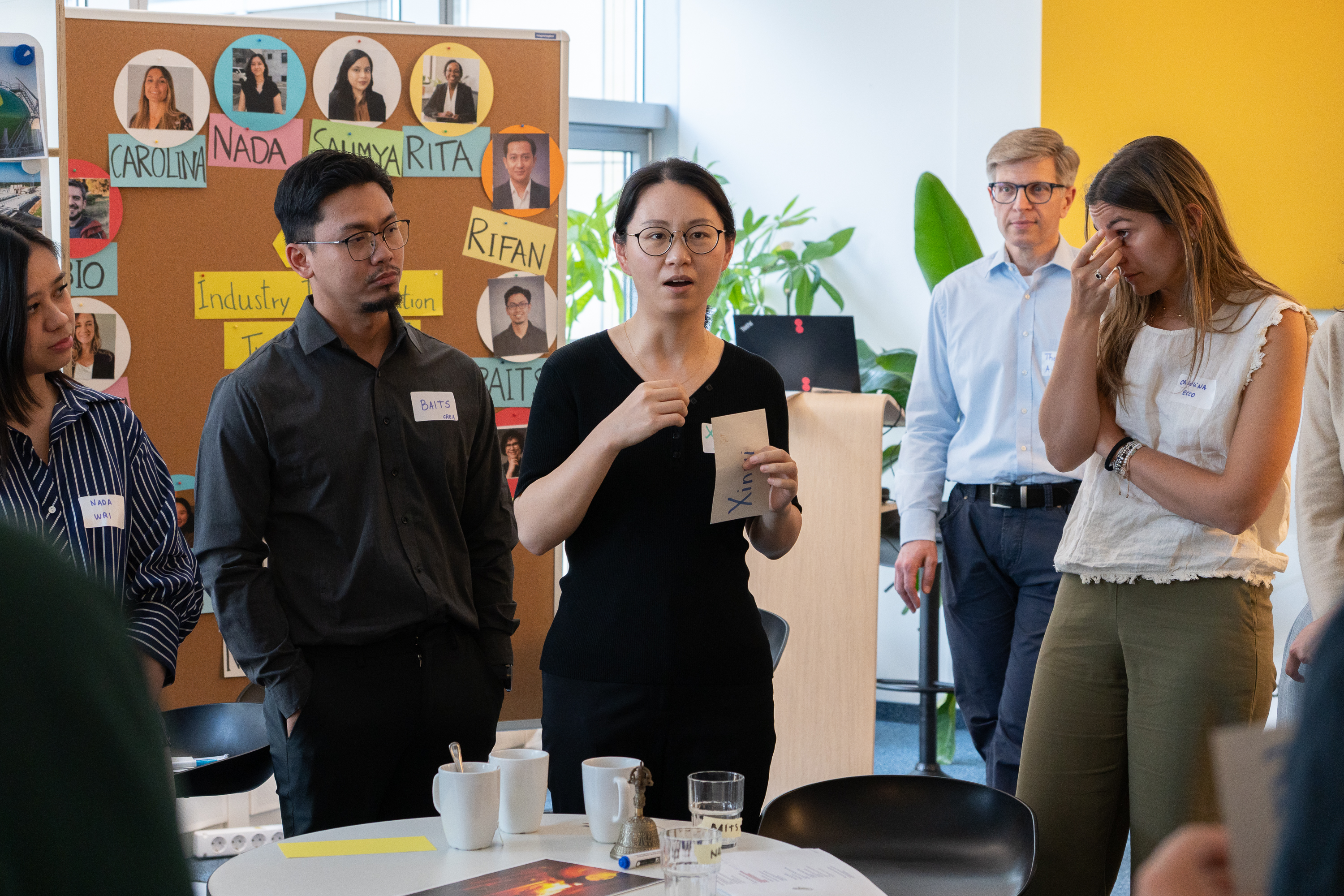
Photo: Susanne Liebsch
-
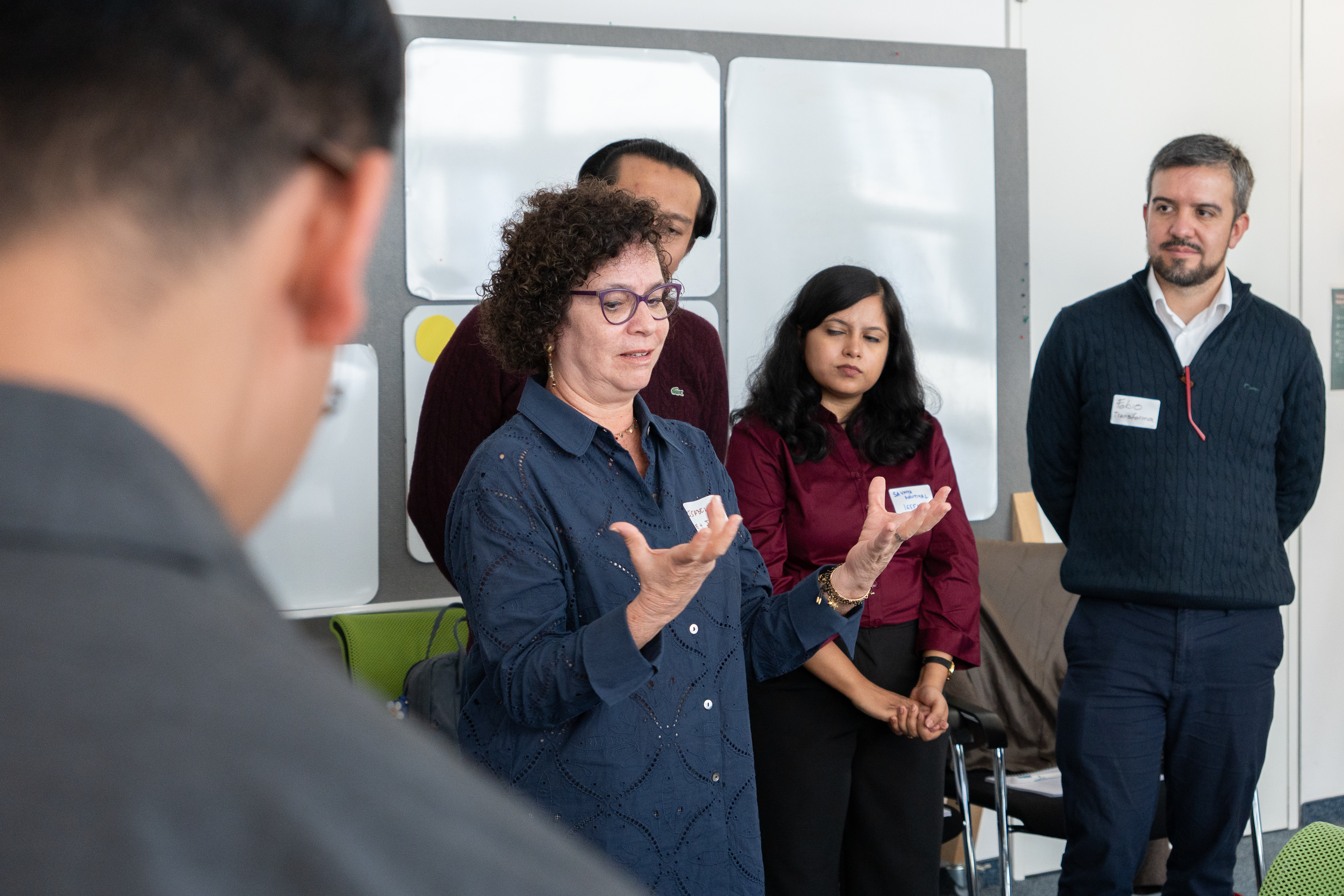
Photo: Susanne Liebsch
-
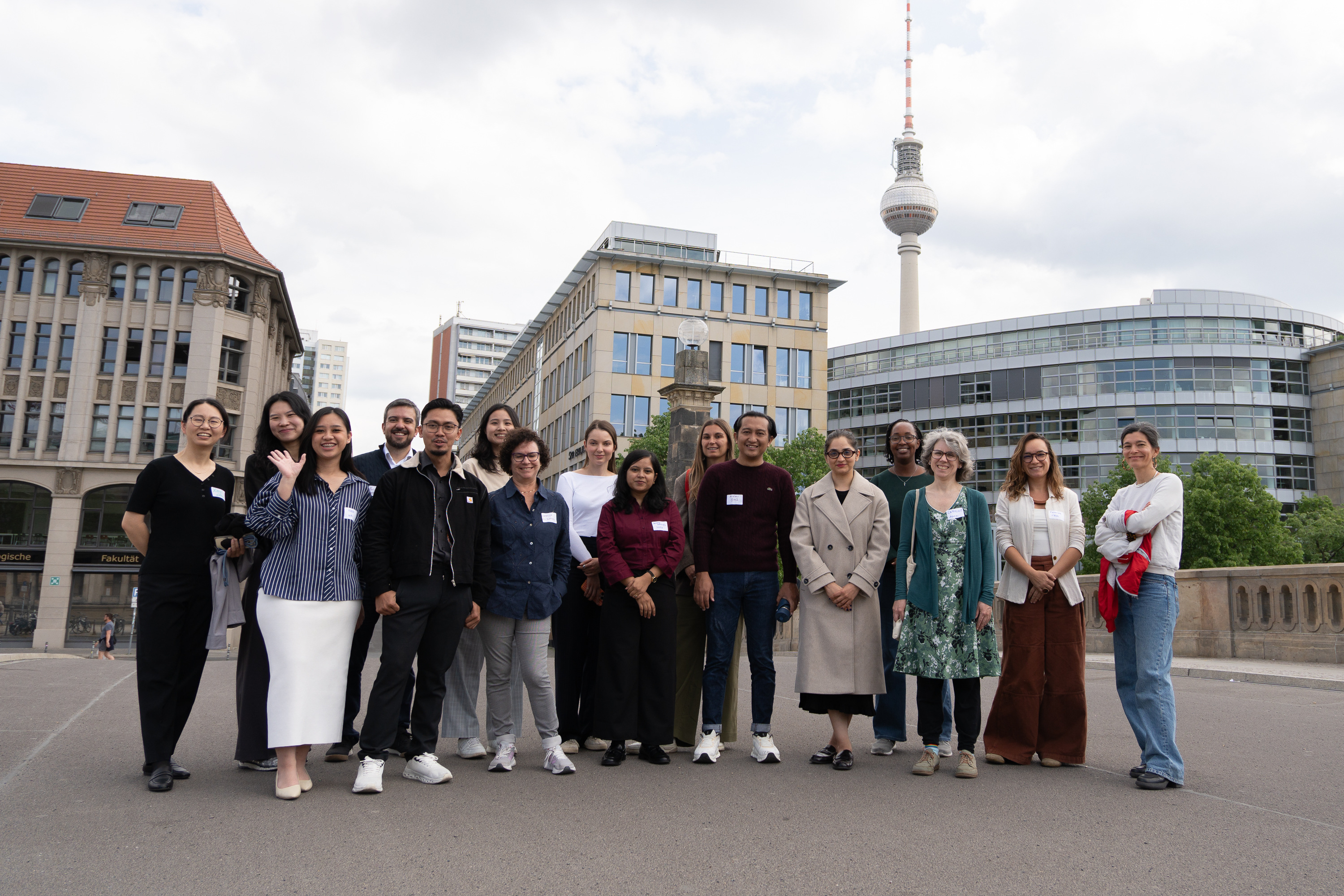
Photo: Susanne Liebsch
-
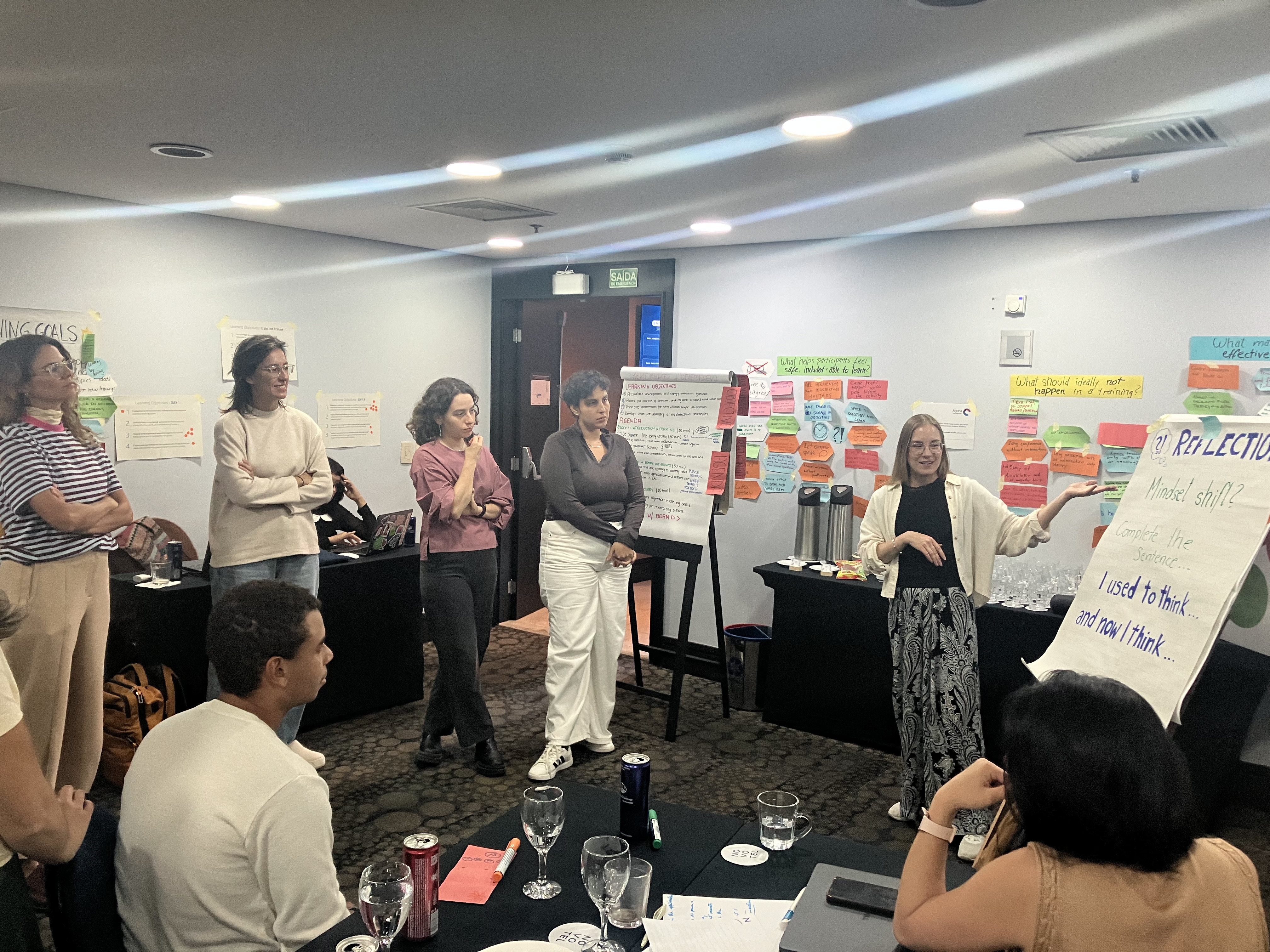
Photo: Ema Jülich
-
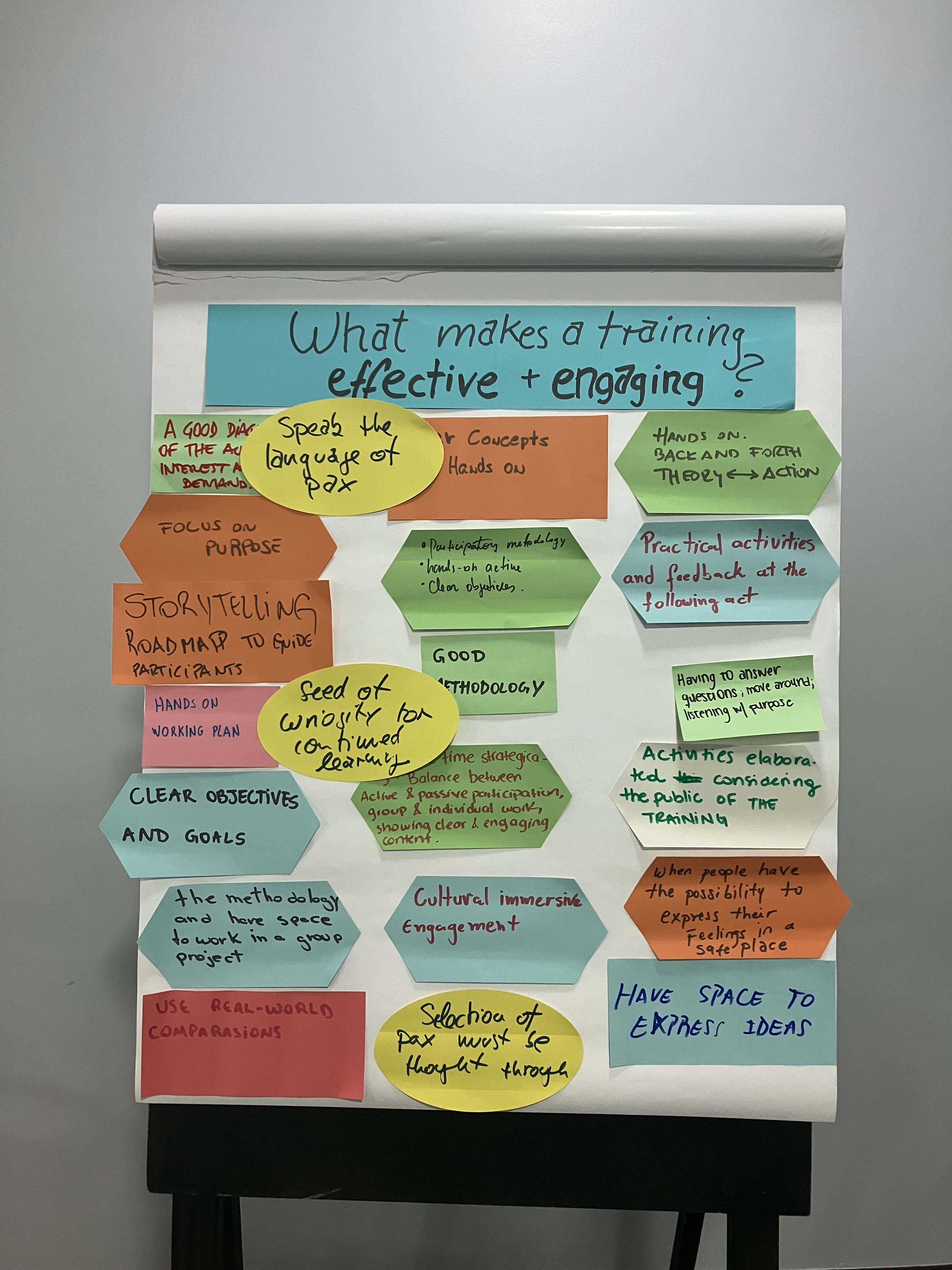
Photo: Ema Jülich
-
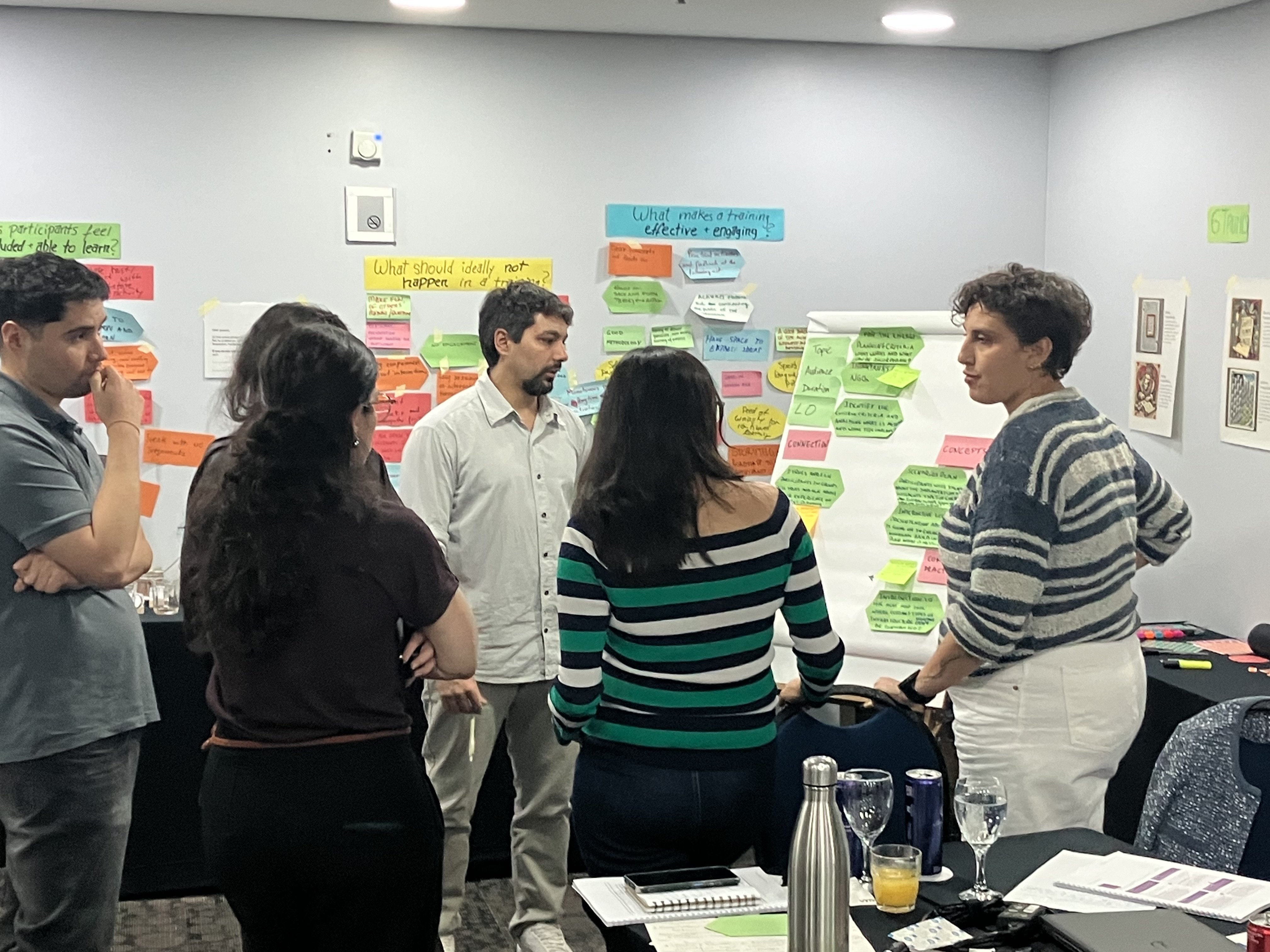
Photo: Ema Jülich

Dear Agora Training Alumni,
With three quarters of the year behind us, we're excited to pause and share a look back at the milestones we've reached together, as well as a look ahead at what's still to come.
Our training team has been as busy as ever. In June we concluded our 3-day Train-the-Trainer programme for our ecosystem partners in Bangkok, and we're now getting hands-on with preparations for our upcoming trainings: Industry Transformation in September in Bangkok and the Train-the-Trainer global cohort in November here in Berlin. The training team has also grown and we're excited to welcome Fanny Marschner as our new Team Assistant.
As always, we're delighted to see our alumni community grow, interact, learn from one another and make an impact worldwide.
With gratitude,
Your Agora Training Team

Training News & Highlights
An overview of what’s happened in the last months and what lies ahead for the second half of 2026
June
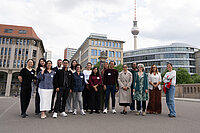
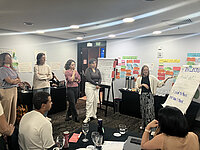
- Successfully held our third Train-the-Trainer workshop for partner organisations from across the International Network of Energy Transition Think Tanks (INETTT) in Bangkok, from 22-24 June. Members from 6 different organisations strengthened their knowledge-sharing skills enabling them to foster dynamic learning and cooperation environments.
September
- We’re working on the finishing touches four our upcoming Industry Transformation Training in Bangkok, exclusively for INETTT partners.
November
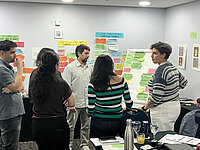
- Another round of our Train-the-Trainer programme will take place in Berlin from 24-26 November. Participating organisations who will develop and refine their training concepts have been selected. We’re mid-preparations now and look forward to welcoming them in a few months!
Want to be the first to know about future trainings? Make sure you’re subscribed to our Learning Opportunities newsletter!

Call to Action
- Do you see a gap in skills or expertise in yourself or your professional networks? Got an idea for a training? What topics feel most urgent or useful to you right now? As we develop new trainings, we want to make sure we’re addressing the real challenges you face. Get in touch and let us know!
- Do you have an inspiring initiative or report to share? We’d love to amplify your work by featuring your impact story in our newsletter and on our website. What’s one big (or small) milestone you have achieved thanks to our training? Share your story in a quick 20-minute interview with us and we can work together on a short feature piece.
If you’d like to be involved in any of the above, let us know by contacting info(at)agora-training(dot)org.

Alumni Spotlight

Ayodeji Stephen
Ayodeji Stephen founded the African Hydrogen Fellowship (AHF) in 2023 to train and connect Africa’s next generation of hydrogen professionals, addressing a critical skills gap. AHF’s second phase is now training 40 fellows through cohort-based programs, boot camps, and research initiatives. Stephen advocates prioritizing domestic industrialization—leveraging Africa’s vast renewable resources—before focusing on exports, highlighting Namibia’s IFIN project as a model. Key milestones include the recent graduation of AHF’s first cohort, with fellows securing roles in policy and industry. Looking ahead, AHF is expanding programs, launching new research initiatives, and forming industry partnerships to drive Africa’s green hydrogen economy.
Agora Training: You founded the African Hydrogen Fellowship — could you give us an overview of what led you to establish the organisation? What’s the core mission and what are you currently working on?
In 2023, I noticed a real gap in Africa's hydrogen sector: there weren't enough locally based professionals with deep expertise. That's what led me to found the African Hydrogen Fellowship. Our mission is to train and connect the next generation of African hydrogen professionals, giving them technical skills, project development knowledge and policy literacy. We're now in phase two, with applications open for our six-month fellowship programme starting in September. We'll train 40 fellows in groups, alongside a boot camp series and our research fellows are producing original work on the African hydrogen market. It's all about building a strong, capable network right here in Africa.
Agora Training: Given Africa's strengths in renewable resources, what's your vision for how the green hydrogen economy should develop on the continent? Should the focus be on exports, domestic industrialisation or both?
Africa shouldn't just chase export value chains — we must prioritise domestic industrialisation first. Our continent has a real edge in solar, wind, and hydro, making green hydrogen cost-competitive in places like Namibia, South Africa, Morocco, Nigeria and Ethiopia. But resources alone won't build a value chain, so domestic application should anchor the first phase, like green ammonia for fertiliser, since Africa spends billions importing it. Green hydrogen also unlocks near-term wins in industrial decarbonisation, mining, manufacturing and grid energy, without needing port infrastructure or international deals. Exports still matter, but should be structured to strengthen our own capacity, not just ship raw resources. Namibia's IFIN project is a great example: ambitious exports paired with local content, skill transfer, and downstream processing. The ideal balance is to use domestic demand to build workforce, supply chains and regulations first, then export from a position of strength.
Agora Training: Since AHF's inception, is there a particular milestone you're especially proud of?
Frankly, it's been a series of things we didn't even expect when we started. But what's really brought me joy was seeing our first cohort graduate just two days ago. Two of them are already moving into internships thanks to partners we've built. A 50% completion rate might not sound huge, but these fellows aren't staying because of financial incentives — they're driven by wanting to shape Africa's energy future.
What excites me even more is watching them land jobs they wouldn't have gotten otherwise, draft policy briefs, or crack financing infrastructure. I'll never forget how one facilitator pushed the first cohort to do scenario analysis on policies shaping hydrogen demand in Africa — these fellows produced real policy briefs. That's impact you can't always quantify, but it's where the real value sits.
Agora Training: You completed the Enertracks Fellowship in 2022 — how have you applied the lessons you learned? How has it shaped your work?
Three lessons truly stuck with me: first, the framework for moving energy projects from concept to implementation, through practical decision logic. Second, how to strategically balance renewables like solar or wind to power value chains such as electrolyszers. Third, the critical role of stakeholder engagement in a relationship-dense sector like energy transition.
These insights transformed how we operate at AHF. They guided our programme design, helped us manage a growing team of 25 people and strengthened relationships with 5 mentors and 7 facilitators. The fellowship's emphasis on applied knowledge over certificates became our north star — we prioritise whether fellows can defend what they've learned. Fundamentally, Enertracks taught me that the energy transition isn't just technical, it's about people, relationships, and turning knowledge into action.
Agora Training: Looking ahead, how is the African Hydrogen Fellowship preparing for the future?
We're advancing both our capacity-building and research programmes. We recently closed the applications for our second capacity-building cohort, with the programme launching in September alongside our West Africa bootcamp. We're also launching our second research cohort, publishing at least five knowledge products from our first research fellows and expanding industry partnerships as we form a consortium for our demonstration plant.

What we're reading and listening to
- Southeast Asia is charting its own coal-to-clean transition – what’s needed to speed up progress? Drawing from experiences from Indonesia, Viet Nam, the Philippines and Indonesia, Agora Energiewende identifies five levers to accelerate the coal-to-clean energy transition in the region.
- Can China’s new steel capacity rules accelerate its green transition? Shen Xinyi, alumna of the Industry Transformation Training 2026, explores this question in this article for Dialogue Earth.
- Podcast alert – the International Energy Agency's podcast Everything Energy brings together leading experts and analysts to unpack the trends and decisions shaping our energy future. With a wide range of episodes covering everything from critical minerals to the energy-AI nexus, pick the topic that interests you most and dive in.
- Nigeria holds a third of Africa's gas reserves and has declared a "decade of gas" to drive industrial growth – but can it deliver? The report: Nigeria's natural gas and Africa's sustainable industrialisation from Africa Policy Research Institute (APRI) examines the pipelines, policies and reforms needed to turn Nigeria's gas potential into sustainable industrialisation for the whole continent.
- How does a war miles away affect India's steel mills? – this article from the World Economic Forum explores how the Iran war is disrupting India's steel production amid fuel shortages and rising costs, authored by Saumya Nautiyal, Industry Transformation Training alumnus!
- The EU's Carbon Border Adjustment Mechanism (CBAM) is reshaping trade for exporters worldwide. INETTT's report series breaks down its impact country by country: Brazil, Colombia, Mexico and Türkiye.

Other Opportunities
- Check out these opportunities from our amazing alumni spotlight: the African Hydrogen Fellowship! Reach out to: partnerships(at)africanhydrogenfellowship(dot)org if you’re interested in either of the below:
- Your journey could be someone else's roadmap. AHF is seeking alumni mentors, especially those in energy roles across Africa.
- Building Africa's hydrogen future takes partners. If your organisation is active in African energy, AHF wants to explore how you can work together.
- The Regulatory Assistance Project (RAP) is looking for a Senior Associate, Energy Systems and Electrification to support power sector and electrification policy work. To apply, send your documents to apply(at)raponline.org.
- Interested in shaping South Korea's energy transition? NEXT group is hiring a Senior/Principal Researcher for their Power Market & Grid Team in Seoul. Apply here. Korean language required.
- Want to understand the just transition beyond your own field or region? This 14-week online course organised by TRAJECTS brings together 25+ voices from Africa, Europe and Latin America. Registration is open now, sign up here. The first sessions have taken place, but you can still register until 1 October.
- Ready to grow as a think-tanker? Join a global learning community designed to build capacity across research, communications and leadership by the School for Thinktankers here.
- Researchers wanted: help shape the evidence on gender equity in Latin America and the Caribbean. The GDLab initiative from the Inter-American Development Bank (IDB) Group invites proposals on fiscal, regulatory and labour reforms. Apply here by 24 September.
Our Training Alumni
The Training Alumni Network provides a platform to bring together over 290 graduates (and counting) from our trainings. With a vision to foster a flourishing ecosystem of climate and energy experts, the network aims to allow alumni connect and exchange resources, knowledge and lessons learned in a multitude of formats to advance the clean-energy transition and climate-neutral industry around the world.
Activities of the network include peer review and research outputs, advocacy, outreach, and authorship in the name of the Alumni Network, global and regional network meetings, internal network communication approaches and trainings, workshops, and thematic events. Past activities include communications and thematic webinars on current topics, in-person and virtual Network Meetings and communications trainings.